Post by : Shakul
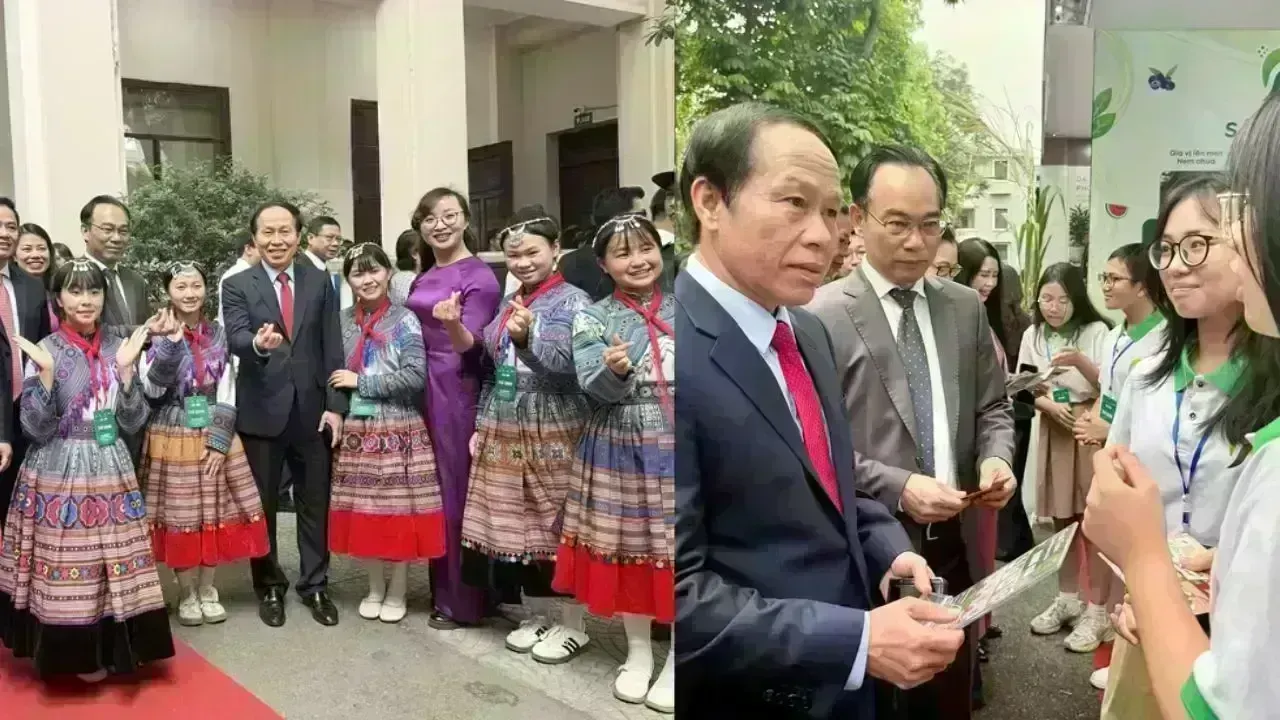
Deputy Prime Minister Le Tien Chau underscored the necessity for student entrepreneurship in Vietnam to evolve beyond mere symbolic gestures. His remarks encouraged a transition from theoretical ideas to tangible market products, emphasizing the importance of driving innovation towards real-world applications.
These statements were made during the 8th National Student Entrepreneurship Day at the Banking Academy in Hanoi. The event attracted around 10,000 students along with experts and stakeholders over three days, showcasing Vietnam’s dedication to fostering innovation and supporting youth-centric startup initiatives.
Festivities included an entrepreneurship forum, project showcases, networking opportunities, and the finals of the "Students with Entrepreneurship Ideas" contest. The launch of the "Support for Student Entrepreneurship Program 2026–2035" was also a highlight, aiming to bolster sustainable startup growth and provide systematic backing for young entrepreneurs.
The event received enthusiastic participation and emphasized the significance of nurturing innovation, promoting startup culture, and encouraging students to transform ideas into viable business solutions. It illustrated the critical need for creating opportunities that allow students to convert their visions into operational enterprises.
According to the Deputy Prime Minister, supporting student entrepreneurship transcends educational objectives and is a matter of national strategic importance. He noted that a vibrant innovation ecosystem, paired with a creative and skilled young workforce, is vital for sustainable economic progress and maintaining a competitive edge on the global stage.
Vietnam has witnessed considerable advancements in this sector over the past eight years, with around 300 student-led startups having emerged. Many have made remarkable progress, securing funding and entering the market, particularly in sectors like green technology, biotechnology, and digital healthcare.
Nevertheless, challenges persist, including some startups lacking substance and failing to align closely with market needs. There remain deficiencies in support initiatives and limited collaboration among educational institutions, enterprises, and investors that could impede the advancement of promising concepts.
To combat these challenges, pivotal policies have been instituted, such as Decision No. 336/QD-TTg and the National Strategy for Innovative Entrepreneurship. These strategies aim to cultivate a more conducive environment for startups and position innovation at the core of national development.
Deputy Prime Minister Le Tien Chau called for unified efforts among ministries, educational bodies, enterprises, and organizations. He reiterated that students should prioritize ongoing learning and personal development over competition results while transforming their ideas into significant contributions to society and the country.









Achieve Radiant Skin with This Simple Rice Flour Treatment
Transform your skincare routine! Discover how a rice flour mix can restore your skin's glow without

Meta Unveils Subscription Plans for Instagram, Facebook, and WhatsApp
Meta introduces new subscription plans for users of Instagram, Facebook, and WhatsApp, featuring enh

Suvarna Joy on Education Leadership, Resilience, and Building Purpose Through Adversity in the UAE
Suvarna Joy shares her journey of education leadership, motherhood, faith, and resilience within the

Anticipated Dates for UAE Eid Al Adha 2026 Unveiled by Astronomical Experts
Experts predict Eid Al Adha 2026 in the UAE to start on May 27, prompting early holiday planning amo

DAE Achieves Remarkable Growth in Q1 2026 With Record Revenue
Dubai Aerospace Enterprise announces impressive financial results for Q1 2026, reflecting a surge in

Price Increase for Sony PS5 in Southeast Asia Effective May 1
Sony announces a price increase for the PS5 across Southeast Asia starting May 1, 2026, impacting ga




