Post by : Saif Nasser
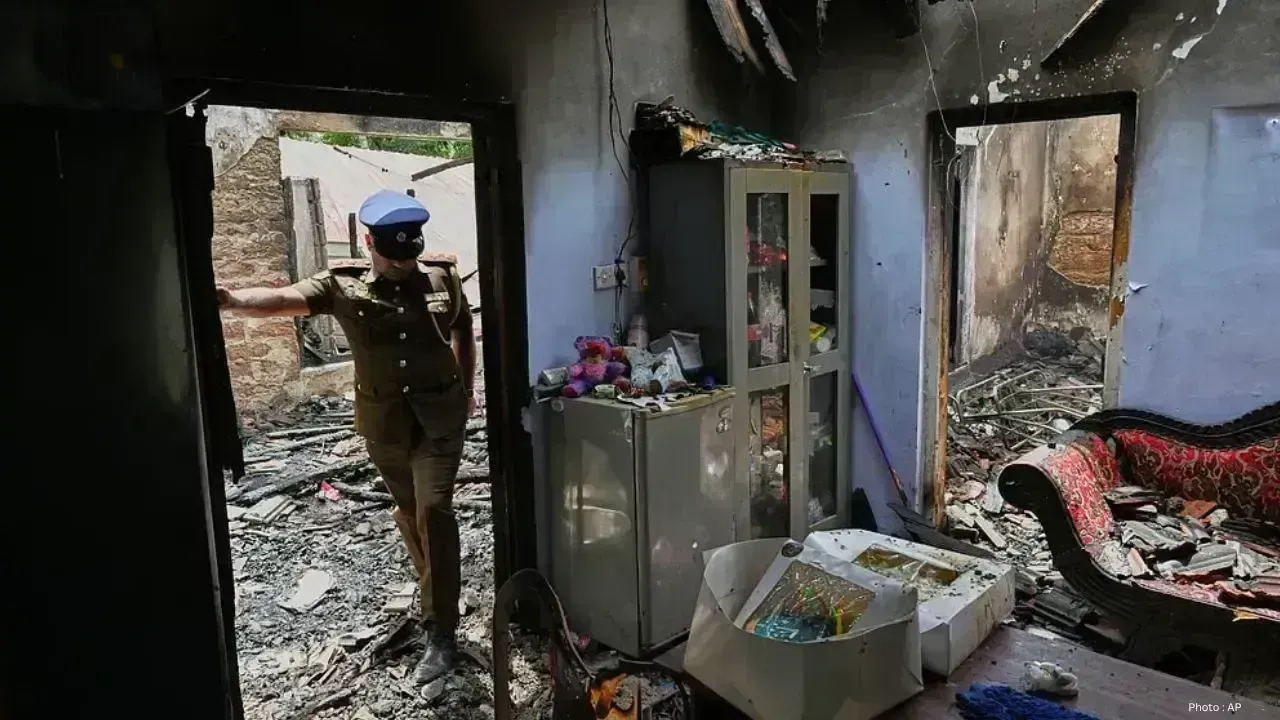
A tragic fire at a nursing home in Sri Lanka has drawn national attention and renewed concerns about safety standards in facilities that care for elderly residents. The incident resulted in the loss of lives and left families, caregivers, and communities mourning a heartbreaking event that has raised important questions about emergency preparedness and the protection of vulnerable individuals.
Older adults living in care facilities often depend on staff members for daily assistance and support. During emergencies, many residents face additional challenges due to limited mobility, health conditions, or physical disabilities. These factors make effective safety systems and rapid evacuation procedures especially important in nursing homes and similar institutions.
Authorities responded quickly after the blaze was reported, with emergency services working to control the situation and assist those affected. Rescue teams, medical personnel, and local officials were involved in managing the aftermath while investigations began to determine the cause of the incident.
The tragedy has focused attention on fire prevention measures in residential care centers. Safety experts frequently stress the importance of functioning alarms, emergency exits, evacuation plans, and regular inspections. These safeguards can play a critical role in reducing risks and protecting lives when unexpected emergencies occur.
Facilities that provide long-term care have a special responsibility to ensure residents are protected from potential hazards. Because many occupants require assistance during emergencies, preparedness planning must account for their specific needs. Staff training and routine emergency drills are often considered essential components of effective safety management.
The incident also highlights broader challenges associated with caring for aging populations. Many countries are experiencing growth in the number of elderly citizens, increasing demand for nursing homes, assisted living centers, and healthcare services. As these facilities expand, maintaining high safety standards becomes increasingly important.
Public concern following such events often leads to discussions about regulations and oversight. Governments and regulatory agencies typically review existing safety requirements to determine whether improvements are needed. Strong monitoring systems can help identify risks before they lead to serious consequences.
Community support has played an important role in the response to the tragedy. Families, local organizations, and public officials have expressed sympathy for those affected while offering assistance to survivors and caregivers. Moments of loss often bring communities together in support of those facing difficult circumstances.
Healthcare professionals emphasize that protecting elderly residents requires a comprehensive approach that includes building safety, medical care, emergency planning, and staff preparedness. Each of these elements contributes to creating a secure environment for individuals who depend on institutional care.
The incident may also encourage greater awareness among facility operators regarding fire prevention practices. Regular maintenance of electrical systems, proper storage of materials, and adherence to safety guidelines can significantly reduce risks. Continuous attention to these areas is essential for maintaining safe living conditions.
Families selecting care facilities for loved ones often consider safety measures among their most important concerns. Confidence in emergency preparedness can provide reassurance that residents will receive appropriate protection during unexpected situations. Transparency regarding safety procedures may help strengthen trust between institutions and families.
Experts note that emergency planning should be regularly reviewed and updated. Changes in building layouts, resident needs, or staffing levels can affect how facilities respond during crises. Ongoing evaluations help ensure that preparedness plans remain effective and practical.
The tragedy serves as a reminder that safety must remain a constant priority in all care environments. While accidents cannot always be prevented, strong precautions and effective response systems can reduce risks and improve outcomes when emergencies occur.
As investigations continue, authorities are expected to examine the circumstances surrounding the incident and identify lessons that may help prevent similar events in the future. Findings from such reviews often contribute to improvements in safety regulations and operational practices.
nursing home fire in Sri Lanka is a heartbreaking event that has deeply affected many families and communities. Beyond the immediate loss, it has highlighted the critical importance of safety measures, emergency preparedness, and ongoing oversight in facilities that care for elderly residents. Ensuring the well-being of vulnerable individuals remains a responsibility shared by caregivers, institutions, regulators, and society as a whole.









Achieve Radiant Skin with This Simple Rice Flour Treatment
Transform your skincare routine! Discover how a rice flour mix can restore your skin's glow without

Meta Unveils Subscription Plans for Instagram, Facebook, and WhatsApp
Meta introduces new subscription plans for users of Instagram, Facebook, and WhatsApp, featuring enh

Suvarna Joy on Education Leadership, Resilience, and Building Purpose Through Adversity in the UAE
Suvarna Joy shares her journey of education leadership, motherhood, faith, and resilience within the

Anticipated Dates for UAE Eid Al Adha 2026 Unveiled by Astronomical Experts
Experts predict Eid Al Adha 2026 in the UAE to start on May 27, prompting early holiday planning amo

DAE Achieves Remarkable Growth in Q1 2026 With Record Revenue
Dubai Aerospace Enterprise announces impressive financial results for Q1 2026, reflecting a surge in

Price Increase for Sony PS5 in Southeast Asia Effective May 1
Sony announces a price increase for the PS5 across Southeast Asia starting May 1, 2026, impacting ga




