Post by : Monika
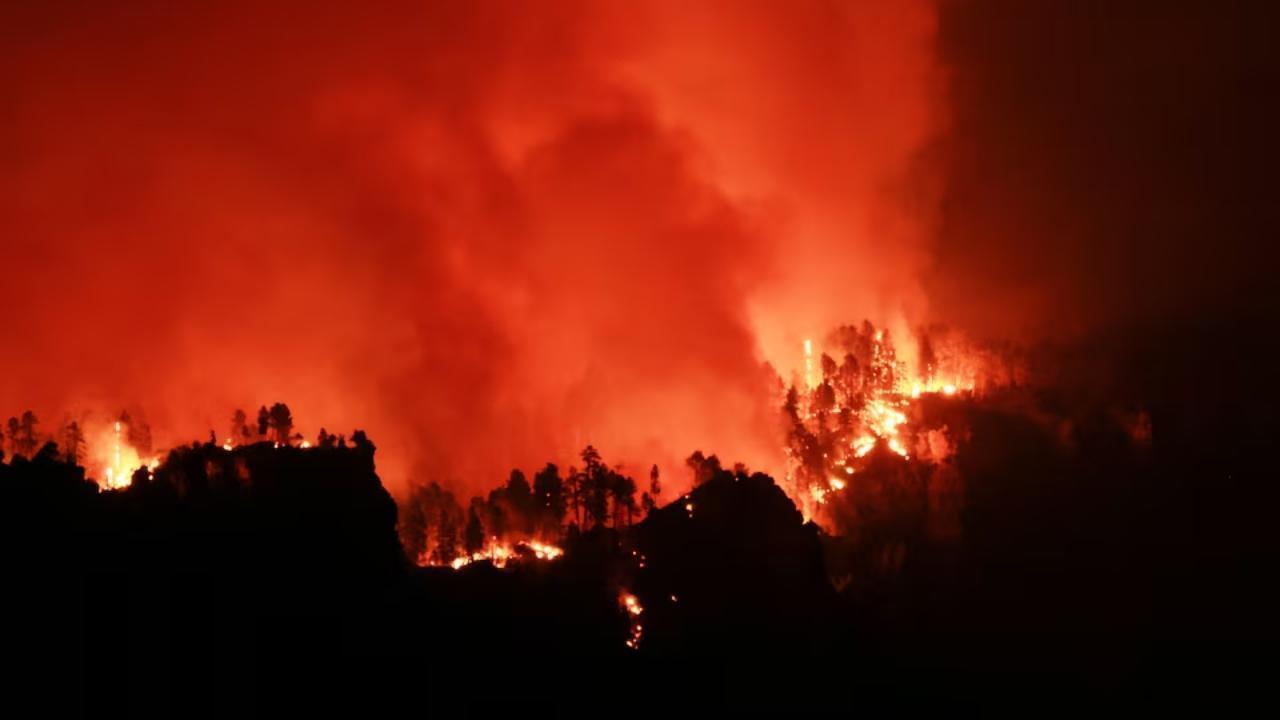
Photo: Reuters
Across the United States in mid-2025, wildfires are spreading faster and hitting harder than usual. Fire teams are doing their best to control the flames, but they’re facing a big challenge: the U.S. Forest Service, which leads national wildfire fighting, has lost about 15% of its workforce in recent months. As a result, many firefighters are now doing extra work, even tasks like cleaning toilets and mowing lawns at camps—jobs that usually belong to support staff.
Why Staff Cuts Happened
In early 2025, under a directive to cut federal spending, the Forest Service offered early retirement and quitting packages. These were called “fork in the road” buyouts. While the goal was to save money, the result was a loss of about 5,000 employees, including workers who supported firefighting efforts during the busy season.
These support staff roles were vital—they helped with meals, medical care, equipment maintenance, campground upkeep, and more. But with so many positions vacant, firefighters are being pulled off the front lines to fill in.
Scenes from the Fire Lines
One firefighter described working on an Oregon blaze, where the crew had gone without proper meals for several days. They were forced to find fuel for chainsaws on their own and struggled to get medical supplies.
After long, exhausting shifts, they slept without enough food. The firefighter spoke quietly about having to cover toilet cleaning and office upkeep duties—tasks that took them away from fighting flames.
In New Mexico, another fire officer confirmed something similar. With fewer support staff, even highly trained firefighters with red-card certification—which qualifies them to help directly with fires—are being moved to support duties. This means there are fewer people available to drive fire engines or lead fire teams.
Forest Service Response
The U.S. Forest Service disagrees with these accounts. A spokesperson based in central Oregon said their teams are fully prepared for this year’s fire season, which is expected to be unusually active. They noted they have been rebuilding capacity, rehiring staff, and ensuring they can meet the demands of wildfires across several regions.
They acknowledged a brief issue with the food provider at one fire, but called it a temporary problem that has been resolved. Chainsaw fuel, medical kits, and other essentials are being provided. The agency emphasized that they have enough resources and staffing for a difficult year ahead.
Why It Matters
The Forest Service protects nearly 193 million acres of land—an area close to the size of Texas. When support jobs are cut, the effects ripple across the entire system. Firefighters are spending their time cooking, managing camps, and even fixing toilets instead of fighting flames. This added strain increases the risk for them and weakens the overall fire response effort.
Furthermore, important specialists—like foresters, trail crews, and park maintenance workers—help prevent fires by managing forests and clearing underbrush. When these jobs disappear, fire risk grows because flammable material builds up.
Warning from Fire Experts
Experts and former Forest Service members warn this could be dangerous as wildfires get worse each year. The U.S. experienced nearly 41,000 wildland fires in 2025 so far—the highest number recorded in recent years. With fewer staff and more fires, the threat to communities grows.
A retired fire officer and leader in a national group said these cuts mean firefighters are now cleaning bathrooms, tending campsites, and mowing grass instead of focusing on wildland emergencies. This shift makes teams less ready for fire response.
One camp in the Pacific Northwest was asked to balance both forest work and oil and gas-related tasks—even while fires were active. A fire chief shared, “They can claim support is there, but it isn’t close to true.”
Plans to Rebuild Strength
Forest Service Chief Tom Schultz told managers that all fire-qualified staff must be available for this challenging season. A temporary hiring program hopes to bring back about 1,400 furloughed employees. Agriculture Secretary also called for agencies to hire over 11,000 firefighters by mid-summer. By late June, the agency had hired nearly all those needed.
Despite that, some experts say that’s not enough. While new firefighters are coming in, many miss recent training and physical testing required for safety. The agency admits there may be a shortage of experienced people in the short term, even as hiring improves.
Political Disputes
U.S. Senator Martin Heinrich criticized the cuts, calling the process reckless. He pointed out that many probationary employees who could fight fires were pushed out. Others say that while the cuts were voluntary, leaders did not study which roles were most needed before reducing staff.
Advocacy groups added that the cuts put entire communities at risk if fires break out in heavily populated forests. They fear that without enough trained people, the system cannot handle bigger, more frequent wildfires.
On the other side, the Agriculture Department defends the staffing levels, saying they aim for operational strength. They emphasize that temporary programs are bringing experienced staff back to serve during peak fire times.
Daily Struggles for Firefighters
Beyond the front lines, firefighters face housing and support issues. Many live and work in remote areas where housing is limited. Barracks are old and sometimes lack basic needs like hot showers or reliable food. These conditions add to the stress and fatigue.
Imagine working a 16-hour shift to fight fire, then cleaning toilets and crawling into a crowded, poorly maintained bunk—this is reality for many firefighters. Some live in cars or tents because there's nowhere else to stay.
Why This Could Become Dangerous
As wildfires grow hotter and more frequent—in part due to climate change—timely firefighting becomes vital. If crews are understaffed or tired, response could slow. Small fires might grow into large, out-of-control blazes.
Forecasts show risk rising across California, the Rockies, and the Pacific Northwest. Without enough people to fight fires, protect communities, and clear hazards, more damage is likely.
What Needs to Happen
Experts say the Forest Service needs to boost staffing—especially for support roles that keep everything running. It must also invest more in preventing fires by clearing forests and managing land safely.
Strong forest management, paid firefighters, and fully staffed camps are essential. Planning must consider the risks of climate-driven fires and ensure readiness by next season.
Looking Ahead
For now, the Forest Service says it's prepared and working to rebuild its capacity. But firefighters and experts remain worried. They fear that a single big wildfire could overwhelm the system. As one retired officer said, “The stakes are life and death.”
At the heart of the issue is this: will the country commit to long-term wildfire preparedness? And will leaders invest in the people who fight these fires?










DAE Achieves Remarkable Growth in Q1 2026 With Record Revenue
Dubai Aerospace Enterprise announces impressive financial results for Q1 2026, reflecting a surge in

Price Increase for Sony PS5 in Southeast Asia Effective May 1
Sony announces a price increase for the PS5 across Southeast Asia starting May 1, 2026, impacting ga

Potential ‘Super El Niño’ in 2026: Understanding the Climate Risks
Could a Super El Niño emerge in 2026? Discover its implications and potential global climate impacts

Global Energy Crisis Intensifies: Markets React to Oil Supply Challenges
Markets are on edge as oil disruptions escalate, influencing prices and economic stability. Explore

Must-See Tourist Spots in London You Can't Overlook
Explore London's essential attractions, from royal landmarks to vibrant markets, ensuring an unforge

Ultimate Guide to Snagging Cheap Flights in 2026
Unlock the secrets to booking affordable flights in 2026 with insightful tips and strategies tailore




