Post by : Saif Nasser
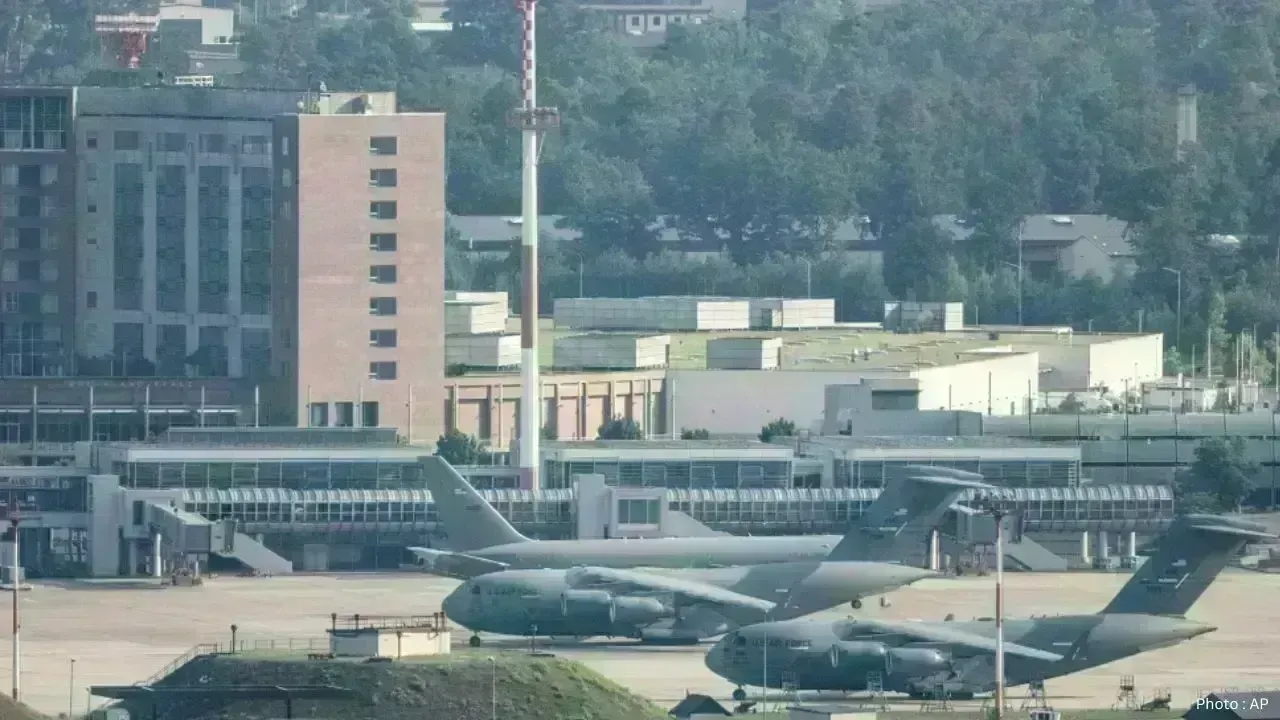
The United States’ plan to reduce its military presence in Europe, especially in Germany, has raised serious questions about the future of NATO and the balance of global security. The move, led by President Donald Trump, is not just about troop numbers—it reflects a major shift in how the U.S. views its role in protecting Europe.
At present, the United States has a large military presence across Europe, with around 80,000 to 100,000 troops stationed on the continent. More than 36,000 of them are based in Germany, making it one of the most important locations for American forces outside the U.S.
The Pentagon has announced that about 5,000 troops will be withdrawn from Germany over the coming months. President Trump has also suggested that even deeper cuts could follow, signaling a long-term change in strategy.
This military presence is not new. It dates back to the end of World War II and the Cold War, when U.S. troops were stationed in Europe to help rebuild the region and protect it from threats, especially from the Soviet Union. Today, these forces still play a key role—not only in defending Europe but also in supporting operations in the Middle East, Africa, and other regions.
However, President Trump has often criticized European countries for depending too much on the United States for their defense. He has argued that NATO allies should spend more on their own military and take greater responsibility for their security.
The decision to withdraw troops comes at a sensitive time. Europe is already facing security challenges due to the ongoing conflict between Russia and Ukraine. Many experts believe that reducing the U.S. military presence could weaken NATO’s ability to respond quickly to threats from Russia.
Germany, which hosts many key U.S. military bases, has tried to remain calm about the situation. German leaders have said they were prepared for such a move and agree that Europe needs to strengthen its own defense systems. At the same time, they have stressed that cooperation with the United States remains very important.
The issue has also created concern within the United States. Some lawmakers, including members of President Trump’s own party, have warned that reducing troops in Germany could send the wrong message to allies and enemies alike. They argue that such decisions should be carefully planned and discussed with NATO partners.
NATO itself is now under pressure. The alliance has long depended on strong U.S. support to maintain stability in Europe. If that support is reduced, member countries may have to increase their defense spending and improve their military strength.
In recent years, many European nations have already started increasing their military budgets. Germany, for example, has announced major plans to strengthen its armed forces and invest heavily in defense.
From an editorial point of view, this situation marks a turning point in global politics. The United States appears to be shifting its focus away from Europe and asking its allies to take more responsibility. While this may encourage stronger European defense, it also creates uncertainty at a time when unity is most needed.
Alliances like NATO are built on trust and cooperation. Sudden changes in military strategy can create confusion and weaken that trust. At the same time, it is also true that shared responsibility is important for long-term stability.
The challenge now is to find a balance. Europe must strengthen its own defense, but without losing the support and partnership of the United States. Both sides need to work together to ensure that security is not weakened during this transition.










DAE Achieves Remarkable Growth in Q1 2026 With Record Revenue
Dubai Aerospace Enterprise announces impressive financial results for Q1 2026, reflecting a surge in

Price Increase for Sony PS5 in Southeast Asia Effective May 1
Sony announces a price increase for the PS5 across Southeast Asia starting May 1, 2026, impacting ga

Potential ‘Super El Niño’ in 2026: Understanding the Climate Risks
Could a Super El Niño emerge in 2026? Discover its implications and potential global climate impacts

Global Energy Crisis Intensifies: Markets React to Oil Supply Challenges
Markets are on edge as oil disruptions escalate, influencing prices and economic stability. Explore

Must-See Tourist Spots in London You Can't Overlook
Explore London's essential attractions, from royal landmarks to vibrant markets, ensuring an unforge

Ultimate Guide to Snagging Cheap Flights in 2026
Unlock the secrets to booking affordable flights in 2026 with insightful tips and strategies tailore




