Post by : Saif Nasser
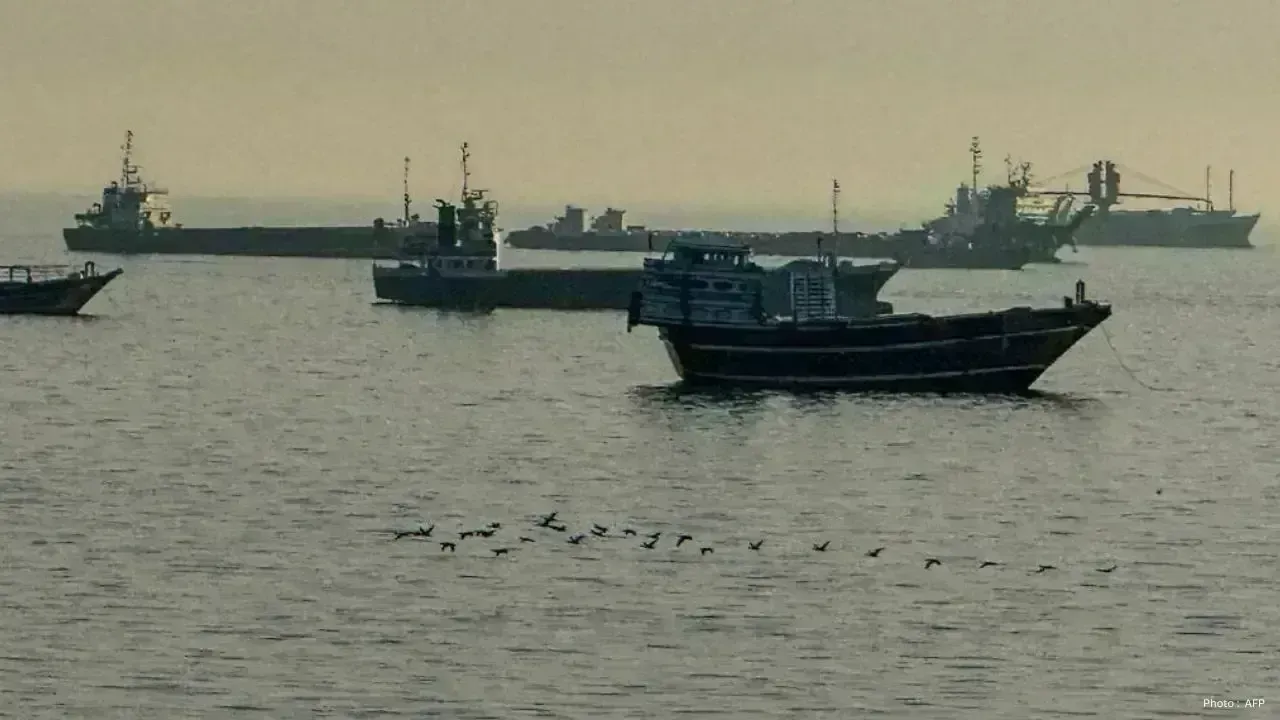
Military tensions in the Gulf region have increased once again after the United States carried out strikes against Iranian military targets over the weekend. At the same time, Kuwait reported new missile and drone attacks, adding to concerns about regional stability and the safety of important trade routes.
The latest developments have drawn international attention because the Gulf remains one of the world's most important areas for energy supplies and global commerce. Any rise in conflict can affect not only countries in the Middle East but also economies and markets across the world.
A New Round of Military Action
The United States said its forces targeted military facilities linked to Iran during a weekend operation. Officials described the action as a response to threats against American interests and partners in the region. The operation marked another step in the ongoing confrontation between Washington and Tehran, a relationship that has faced repeated periods of tension over the years.
The strikes came at a time when security concerns were already high. Governments in the region have been closely monitoring military activities, fearing that any direct confrontation could lead to a wider conflict. While both sides have exchanged warnings in the past, recent events suggest that the situation remains highly sensitive.
According to reports, the attacks were aimed at reducing military capabilities that could be used against American personnel, allies, or commercial shipping routes. Such operations are often designed to send a message while avoiding a larger war. However, every military action carries the risk of triggering further responses.
Kuwait Reports Fresh Missile and Drone Incidents
Adding to regional concerns, Kuwait reported new missile and drone attacks shortly after the weekend operation. These incidents highlighted the growing use of unmanned systems and long-range weapons in modern conflicts.
Drone technology has become a major feature of security challenges across the Middle East. Such systems can travel long distances, strike critical infrastructure, and create uncertainty even when damage is limited. Missiles present a similar threat because they can target military sites, energy facilities, and transportation networks.
The latest incidents have increased fears that tensions could spread beyond a single country and affect neighboring states. Gulf nations have invested heavily in defense systems, but repeated attacks continue to test regional security arrangements.
Impact on Regional Stability
The Gulf region plays a key role in global energy markets. Several of the world's largest oil producers are located there, and major shipping lanes pass through nearby waters. Any disruption can influence fuel prices and international trade.
Businesses, investors, and governments closely watch developments in the area because uncertainty often affects economic confidence. Even when attacks do not directly damage infrastructure, the possibility of escalation can create concerns among shipping companies and energy firms.
Political leaders across the region have urged restraint. Many governments prefer diplomatic solutions because a larger conflict could harm economic growth, disrupt trade, and create humanitarian challenges. Stability remains a priority for countries that depend on secure transportation routes and strong commercial ties.
International Reactions
World leaders have responded cautiously to the latest events. Many countries support efforts to protect international shipping and maintain regional security. At the same time, there is widespread concern that continued military exchanges could increase instability.
Diplomatic channels remain active as governments seek ways to prevent further escalation. International organizations and foreign ministries have repeatedly called for dialogue and careful decision-making. The goal is to reduce the risk of miscalculation that could lead to a broader crisis.
Several nations with economic interests in the Gulf are also monitoring the situation closely. Energy-importing countries, in particular, understand that prolonged instability could affect supply chains and market conditions.
Growing Importance of Diplomacy
Recent events underline the importance of diplomatic engagement. Military operations may address immediate security concerns, but long-term stability often depends on political solutions. Regional powers, international partners, and global organizations all have a role to play in encouraging dialogue.
Past experience has shown that tensions in the Middle East can quickly affect neighboring countries and international markets. Because of this, diplomatic efforts remain essential for preventing further conflict and maintaining peace.
Governments involved in the dispute face difficult decisions. They must balance national security concerns with the need to avoid actions that could worsen the situation. Careful communication and cooperation may help reduce risks in the coming weeks.
The United States' strikes on Iranian military targets and Kuwait's reports of fresh missile and drone attacks have added new uncertainty to an already fragile security environment. The developments highlight the challenges facing the Gulf region as governments work to protect national interests while avoiding a larger confrontation.






Achieve Radiant Skin with This Simple Rice Flour Treatment
Transform your skincare routine! Discover how a rice flour mix can restore your skin's glow without

Meta Unveils Subscription Plans for Instagram, Facebook, and WhatsApp
Meta introduces new subscription plans for users of Instagram, Facebook, and WhatsApp, featuring enh

Suvarna Joy on Education Leadership, Resilience, and Building Purpose Through Adversity in the UAE
Suvarna Joy shares her journey of education leadership, motherhood, faith, and resilience within the

Anticipated Dates for UAE Eid Al Adha 2026 Unveiled by Astronomical Experts
Experts predict Eid Al Adha 2026 in the UAE to start on May 27, prompting early holiday planning amo

DAE Achieves Remarkable Growth in Q1 2026 With Record Revenue
Dubai Aerospace Enterprise announces impressive financial results for Q1 2026, reflecting a surge in

Price Increase for Sony PS5 in Southeast Asia Effective May 1
Sony announces a price increase for the PS5 across Southeast Asia starting May 1, 2026, impacting ga




