Post by : Shweta
Tensions in the Middle East are escalating after the United States launched military strikes against Iranian sites while Kuwait reported incoming drone and missile attacks. This development raises alarms of a broader regional conflict at a time when diplomatic efforts aim to avoid confrontation between the U.S. and Iran.
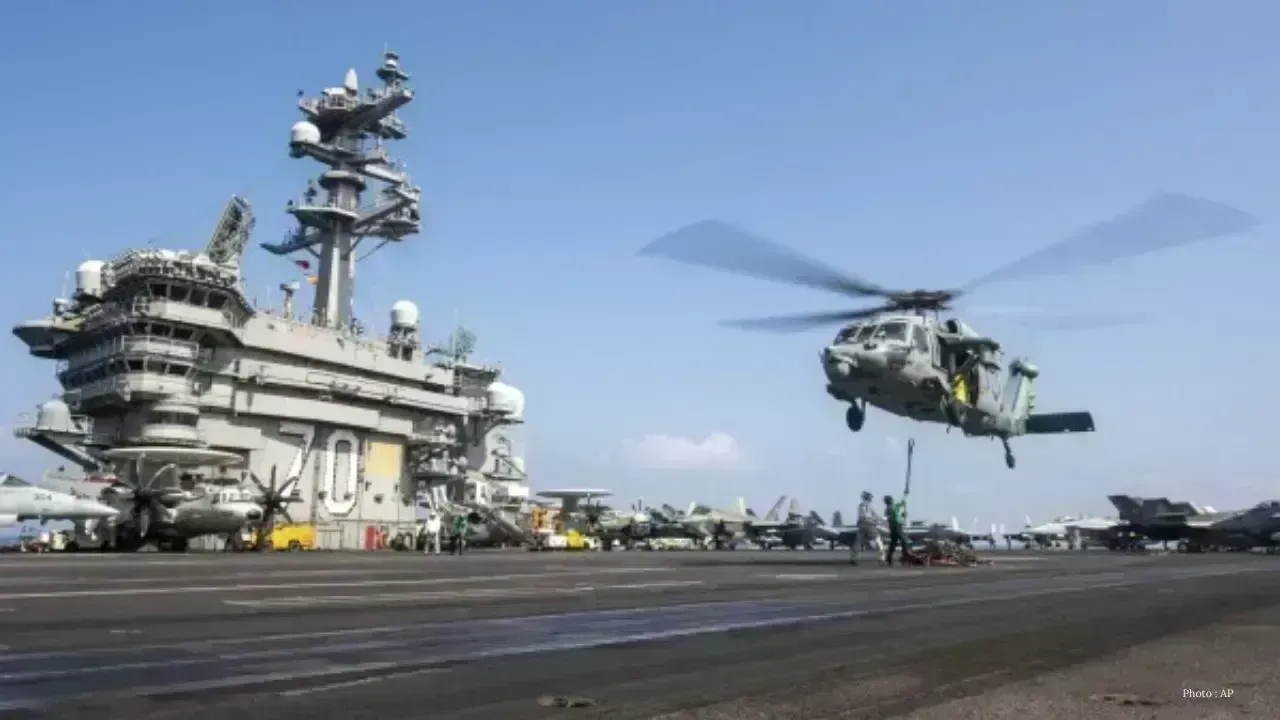
The U.S. military's operation targeted radar installations and drone command centers in Iran following the downing of an MQ-1 Predator drone that was in international airspace. According to U.S. Central Command, strikes were executed near Goruk and Qeshm Island, framed as a necessary defensive action against aggressive Iranian behavior.
Officials from the U.S. stated that aerial attacks destroyed significant military assets, including an air defense system and a drone control station believed to threaten shipping lanes. The military confirmed that no American personnel were harmed during these operations, defining the strikes as limited in scope and meticulously planned.
In response, Iran admitted to launching a retaliatory attack. The Islamic Revolutionary Guard Corps (IRGC) claimed that the U.S. provocations warranted military action against targets affiliated with U.S. interests, issuing warnings of stronger responses to further aggression.
Following this exchange, Kuwait's air defenses were put on alert to intercept incoming missiles and drones. Kuwaiti officials reported increased hostile aerial activity early Monday, although the exact origins of the attacks remain unconfirmed. There are speculations connecting these strikes to Iranian retaliation or actions taken by Iran-aligned groups in the region.
The developments have intensified worries across the Gulf, where several nations host U.S. military installations. As a vital partner of Washington, Kuwait plays a crucial role in U.S. military strategies in the region. The potential for attacks against Gulf partners raises serious concerns regarding broader instability.
This military escalation occurs during a fragile ceasefire plagued by violations. Although recent discussions between the U.S. and Iran have taken place, they have failed to yield a comprehensive agreement. Significant issues like Iran’s nuclear program, sanctions, and security arrangements continue to cause friction.
The Strait of Hormuz remains a focal point in the ongoing crisis, where Iran has considerable influence over maritime traffic. Disruptions in this strategic channel have already impacted global oil markets, driving up prices. Analysts caution that prolonged military engagement could apply added economic pressure worldwide.
The situation has grown even more complex with ongoing conflicts in the region intertwining. Tensions between Israel and Hezbollah in Lebanon persist, while international mediatory efforts struggle to maintain equilibrium. Regional leaders are becoming increasingly concerned about the merging of diverse conflicts into a larger-scale security quandary.
U.S. President Donald Trump has maintained a hopeful stance regarding negotiations with Iran, even as military exchanges continue. Nevertheless, Iranian officials have accused the U.S. of sending contradictory messages by conducting military operations while simultaneously pursuing negotiations. Both nations profess commitment to diplomatic talks, yet recent actions reflect the volatility of the situation.
International governments are now urging all parties to exercise restraint. Several nations are advocating for immediate de-escalation and renewed diplomatic initiatives to avert additional violence. The United Nations and regional entities are closely monitoring the situation, alarmed by the possibility that further strikes could lead to a larger military confrontation.
Currently, military forces in the region remain on heightened alert. While negotiations between the U.S. and Iran continue, the recent exchange of strikes underscores the precarious nature of the situation. With military operations and diplomatic talks proceeding side by side, the forthcoming days may be decisive in determining the trajectory of this crisis—whether towards a diplomatic resolution or deeper regional hostilities.







Achieve Radiant Skin with This Simple Rice Flour Treatment
Transform your skincare routine! Discover how a rice flour mix can restore your skin's glow without

Meta Unveils Subscription Plans for Instagram, Facebook, and WhatsApp
Meta introduces new subscription plans for users of Instagram, Facebook, and WhatsApp, featuring enh

Suvarna Joy on Education Leadership, Resilience, and Building Purpose Through Adversity in the UAE
Suvarna Joy shares her journey of education leadership, motherhood, faith, and resilience within the

Anticipated Dates for UAE Eid Al Adha 2026 Unveiled by Astronomical Experts
Experts predict Eid Al Adha 2026 in the UAE to start on May 27, prompting early holiday planning amo

DAE Achieves Remarkable Growth in Q1 2026 With Record Revenue
Dubai Aerospace Enterprise announces impressive financial results for Q1 2026, reflecting a surge in

Price Increase for Sony PS5 in Southeast Asia Effective May 1
Sony announces a price increase for the PS5 across Southeast Asia starting May 1, 2026, impacting ga




