Post by : Monika
Photo: Reuters
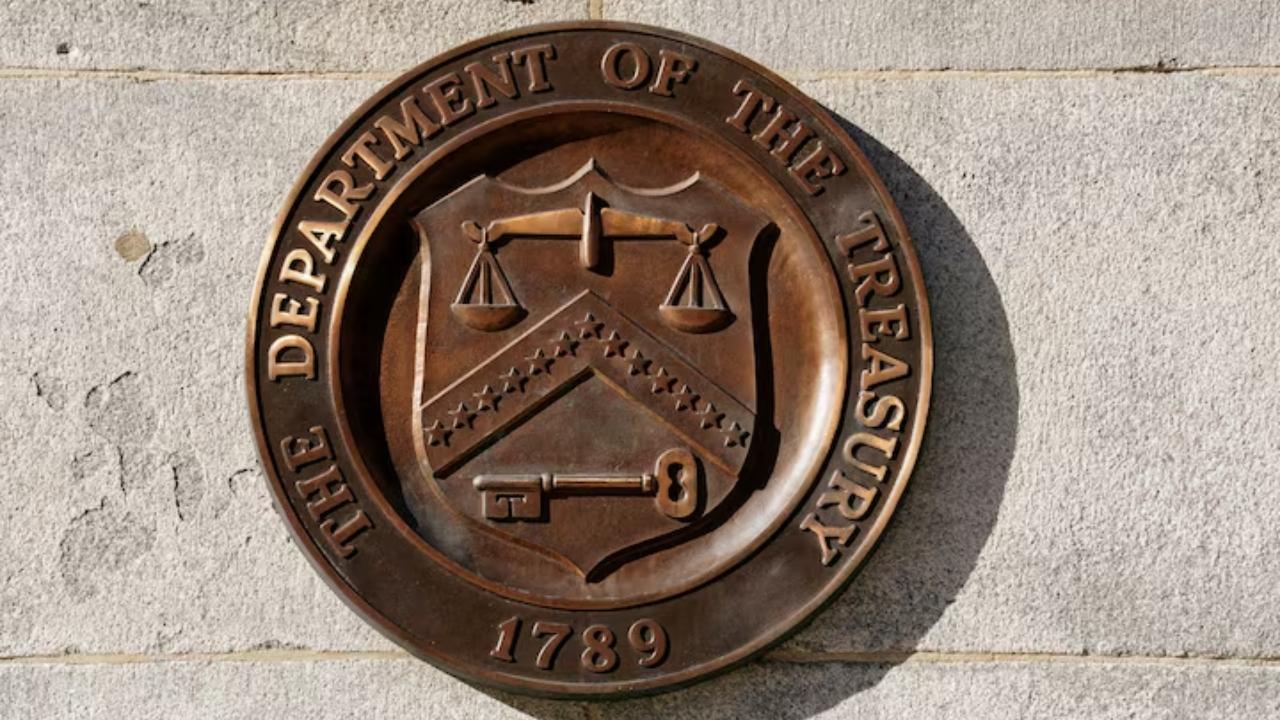
On July 30, 2025, the United States government announced tough new sanctions against a wide-reaching oil shipping network tied to Iran. This action is being described as the largest single set of sanctions against Iran since 2018. The move targets a secretive group of companies and people who have been helping Iran and Russia sell oil around the world—often in ways meant to hide where the oil really came from.
The U.S. Treasury Department said that the network was controlled by Mohammad Hossein Shamkhani, the son of Ali Shamkhani, who is a top adviser to Iran’s Supreme Leader, Ayatollah Ali Khamenei. According to U.S. officials, this group of companies and people used tricks like fake documents, shell companies, and disguised ships to avoid global sanctions.
These illegal oil sales, officials say, brought in tens of billions of dollars for Iran. A lot of that money was used to support Iran’s nuclear program, missiles, and groups that cause conflict in other countries.
Who Was Targeted by the Sanctions?
These targets are located in at least 17 countries. Some of these countries include Panama, Italy, the United Arab Emirates, and Hong Kong. While the sanctions are aimed at Iran, they affect businesses and ports in both Asia and Europe.
U.S. Deputy Treasury Secretary Michael Faulkender said that this was likely the largest sanctions evasion network Iran has. He warned that the Iranian government can no longer use oil sales to fund weapons and to support its activities in other countries that many see as dangerous.
The main goal, Faulkender explained, is to cut off Iran’s money supply from oil. That money is what allows Iran to continue its nuclear and military projects, and to back groups in other countries that create unrest.
What Did the Iranian Network Do?
Officials say that the Iranian network was smart and sneaky in how it worked. It shipped oil from both Iran and Russia, often hiding the true source of the oil. The oil would then be sold in countries like China.
To hide what they were doing, the group used fake paperwork, shell companies, and long shipping routes that crossed many countries. This made it harder for anyone to track where the oil came from or who was selling it.
Even though Iran is under strong sanctions that limit its ability to sell oil, this network managed to earn huge profits. The money made from these oil sales helped pay for Iran’s weapons and military operations, as well as groups it supports in the Middle East.
Officials say the group was able to move the oil using a special fleet of ships often called a “shadow fleet.” These ships sail under fake flags, use false names, and often turn off their GPS tracking systems so they can’t be followed.
Why These Sanctions Matter
These new sanctions are important for several reasons. First, they show that the United States is serious about stopping Iran from making money through illegal oil sales. The money from oil is a huge part of how Iran pays for its nuclear and military programs.
Second, the sanctions show that Iran is not working alone. This oil network also involved Russia, and both countries were using the same methods to dodge international rules.
Third, these sanctions go beyond just freezing bank accounts. The U.S. is now making it illegal for any American person or company to do business with the listed ships, companies, or individuals. This includes anything involving the U.S. dollar, which makes doing business much harder.
The hope is that other countries will also help enforce these rules. If countries like Italy, Belgium, or the United Arab Emirates stop helping the network, it will be even harder for Iran to sell oil in secret.
Impact Around the World
Although these new rules are aimed at hurting Iran, officials say they don’t expect oil prices to go up too much. That’s because there are still many other oil producers in the world.
However, businesses and governments in the 17 countries named in the sanctions may now have to answer hard questions. If they helped Iran in any way, they could face legal problems or lose access to the U.S. banking system.
The European Union had already taken steps earlier in July. They placed sanctions on Ali Shamkhani, the father of Mohammad Hossein Shamkhani. He was accused of helping run a “shadow fleet” of ships that sold Russian oil, especially during the war in Ukraine. This shows that both Iranian and Russian oil trade networks are under growing pressure from Western countries.
The Bigger Picture
This round of sanctions is part of a wider U.S. plan often called the “maximum pressure” campaign. The idea is to make it so hard for Iran to sell oil that it becomes impossible for them to pay for dangerous weapons or support armed groups in other countries.
In June, both the U.S. and Israel carried out strikes on Iranian nuclear sites. That action was followed by these sanctions, which are meant to block Iran’s financial pathways.
There are signs that this campaign will grow even more. U.S. officials say they might ask their allies to help track and stop ships in this oil network. They could also target insurance companies and ports that work with the ships involved. This kind of cooperation could make it much harder for Iran to continue these oil deals.
The United States may also go after new companies or individuals if they are found helping Iran sell oil. These future actions could affect shipping routes and trade hubs, including places in Europe and the Middle East.
What This Means Going Forward
For now, the network that helped Iran and Russia sell oil has taken a big hit. But experts say Iran may try to rebuild or create new ways to get around the rules. The U.S. and its allies will need to keep watching and acting quickly if that happens.
This is not just about one country. The message from the U.S. is clear: anyone who helps Iran avoid sanctions will face serious consequences. That includes shipping companies, banks, ports, and even governments that turn a blind eye.
While these new rules might not cause a major shock to the world economy, they do make it harder and riskier for Iran to sell oil in secret. In the long run, that could make a big difference.
The U.S. sanctions on Iran’s shipping network are a major move to stop illegal oil sales. By blocking over 115 targets in many countries, the U.S. hopes to cut off the money Iran uses to build weapons and support conflicts.
This is not just a punishment—it’s a warning. Iran’s actions are being watched closely, and the U.S. is ready to act fast to protect global peace and security. With the help of its allies, the United States aims to close every door that Iran might use to fund its dangerous goals.




DAE Achieves Remarkable Growth in Q1 2026 With Record Revenue
Dubai Aerospace Enterprise announces impressive financial results for Q1 2026, reflecting a surge in

Price Increase for Sony PS5 in Southeast Asia Effective May 1
Sony announces a price increase for the PS5 across Southeast Asia starting May 1, 2026, impacting ga

Potential ‘Super El Niño’ in 2026: Understanding the Climate Risks
Could a Super El Niño emerge in 2026? Discover its implications and potential global climate impacts

Global Energy Crisis Intensifies: Markets React to Oil Supply Challenges
Markets are on edge as oil disruptions escalate, influencing prices and economic stability. Explore

Must-See Tourist Spots in London You Can't Overlook
Explore London's essential attractions, from royal landmarks to vibrant markets, ensuring an unforge

Ultimate Guide to Snagging Cheap Flights in 2026
Unlock the secrets to booking affordable flights in 2026 with insightful tips and strategies tailore




