Post by : Saif Nasser
United States is making a renewed effort to reduce tensions between Israel and Lebanon as clashes continue along the border. The proposal comes at a critical moment, with military activity increasing despite previous attempts to maintain calm. Officials hope the initiative can prevent further escalation and create conditions for a more stable security environment.
According to reports, the American proposal focuses on a gradual reduction in hostilities. Under the suggested framework, Hezbollah would stop attacks directed toward Israeli territory, while Israel would avoid expanding military operations in Beirut. Supporters of the plan believe such measures could create an opportunity for broader negotiations and reduce the immediate risk of a larger conflict.
The latest initiative reflects growing concern among international leaders about the situation on the Israel-Lebanon frontier. Earlier ceasefire arrangements helped lower tensions for limited periods, but repeated violations and mutual accusations have weakened confidence between the parties. As a result, efforts to achieve a lasting agreement have faced significant challenges.
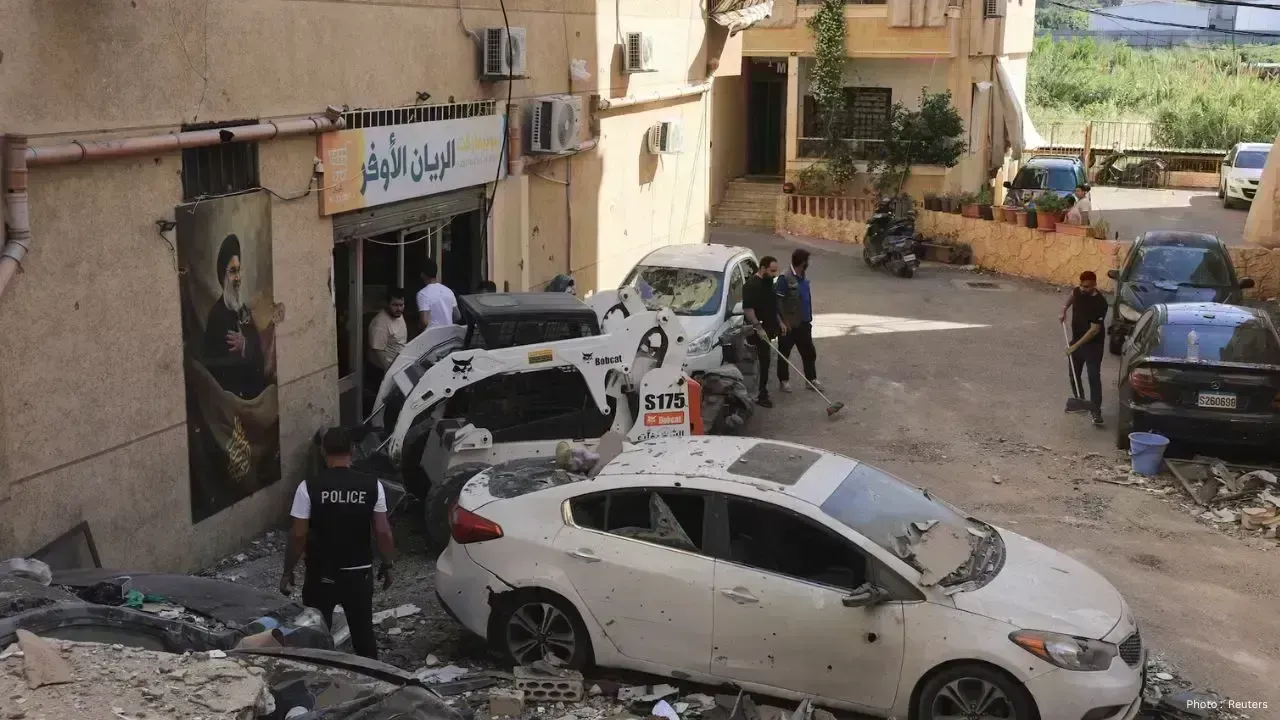
Military developments in recent weeks have added urgency to diplomatic discussions. Israeli forces have reportedly expanded operations in southern Lebanon following rocket attacks aimed at northern Israeli communities. Security concerns have led to disruptions in daily life on both sides of the border, with residents facing uncertainty and increased safety risks.
For Washington, preventing a wider regional confrontation remains a key objective. Continued exchanges of fire carry the possibility of drawing additional actors into the conflict, potentially creating a much larger crisis. Policymakers believe that reducing tensions now could help avoid serious consequences for regional stability and international security.
Lebanese officials have expressed support for diplomatic engagement, though important disagreements remain. Political leaders in Beirut continue to insist that military actions must stop before meaningful progress can be achieved. These differing views highlight the complexity of negotiations and the difficulties involved in rebuilding trust after months of conflict.
The humanitarian impact of the violence has become increasingly visible. Communities in affected areas have experienced displacement, infrastructure damage, and economic hardship. Families forced to leave their homes face uncertainty, while local businesses and public services struggle to operate under difficult conditions.
Israeli authorities maintain that protecting civilians remains a primary responsibility. Government officials argue that security operations are necessary in response to attacks targeting towns and communities near the border. This position continues to shape the country's approach to ongoing military activities.
Beyond the immediate conflict zone, the situation has attracted global attention because of its potential economic consequences. Heightened tensions in the region often influence energy markets and international trade routes. Investors and policymakers closely monitor developments, understanding that prolonged instability can affect economic confidence worldwide.
Diplomatic engagement remains the preferred path for many governments seeking to avoid a broader confrontation. International partners continue to encourage dialogue, restraint, and practical steps that could reduce violence. While negotiations are difficult, many believe that sustained communication offers the best chance of achieving progress.
The proposed ceasefire framework may not resolve all the underlying issues between Israel and Lebanon, but it represents an important attempt to prevent further escalation. Success will depend on cooperation, careful implementation, and a genuine commitment to reducing hostilities.
Events in the coming weeks could have a major influence on the future direction of the conflict. Decisions made by political leaders, military commanders, and international mediators will shape whether the region moves closer to stability or faces additional uncertainty. For civilians living near the border, the hope remains that diplomacy can succeed where violence has failed and open the door to a more peaceful future.









Achieve Radiant Skin with This Simple Rice Flour Treatment
Transform your skincare routine! Discover how a rice flour mix can restore your skin's glow without

Meta Unveils Subscription Plans for Instagram, Facebook, and WhatsApp
Meta introduces new subscription plans for users of Instagram, Facebook, and WhatsApp, featuring enh

Suvarna Joy on Education Leadership, Resilience, and Building Purpose Through Adversity in the UAE
Suvarna Joy shares her journey of education leadership, motherhood, faith, and resilience within the

Anticipated Dates for UAE Eid Al Adha 2026 Unveiled by Astronomical Experts
Experts predict Eid Al Adha 2026 in the UAE to start on May 27, prompting early holiday planning amo

DAE Achieves Remarkable Growth in Q1 2026 With Record Revenue
Dubai Aerospace Enterprise announces impressive financial results for Q1 2026, reflecting a surge in

Price Increase for Sony PS5 in Southeast Asia Effective May 1
Sony announces a price increase for the PS5 across Southeast Asia starting May 1, 2026, impacting ga




