Post by : Shweta
The United States has implemented new sanctions against Iranian oil tankers along with a key maritime authority, amid ongoing negotiations for a ceasefire between Washington and Tehran. This action underscores the persistent strains between the two nations, even as discussions aim for a potential long-term resolution to the regional conflict.
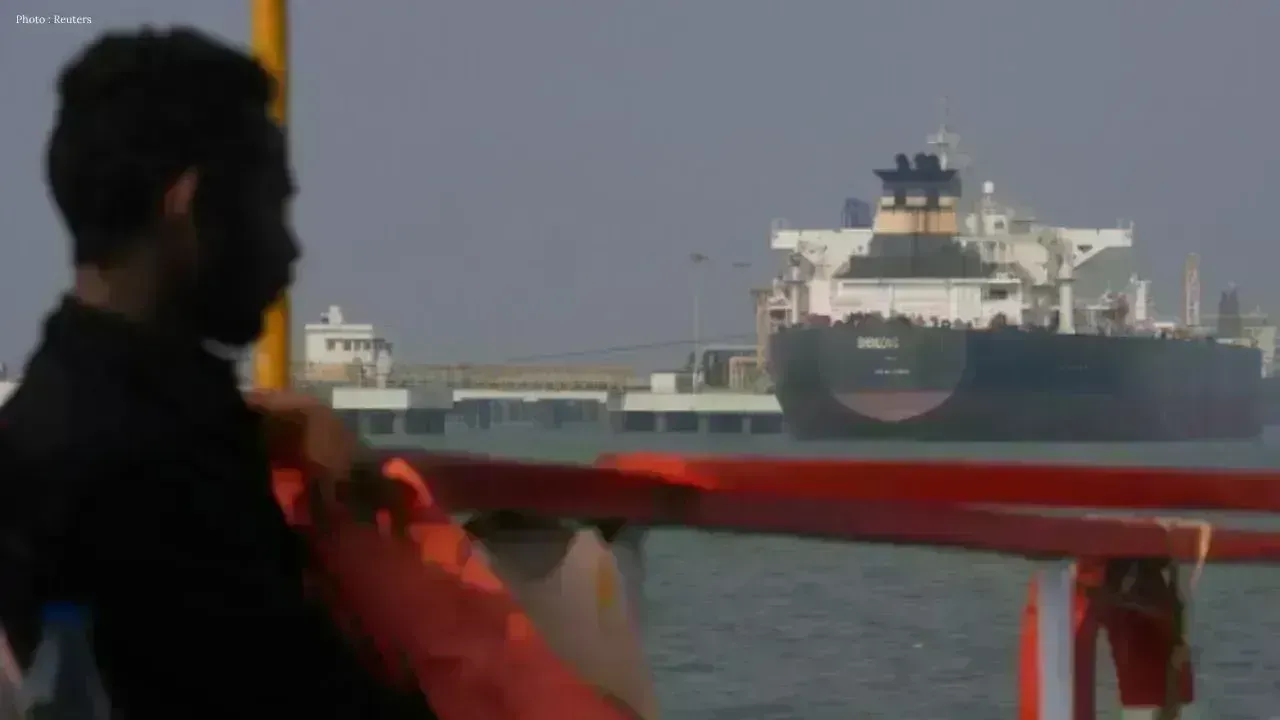
The US Treasury has stated that these sanctions are aimed at several oil tankers tied to Iran, accused of facilitating the transport of crude oil in breach of existing sanctions. Also included are penalties directed at officials associated with Iran's Strait and Port Authority, which the US claims has been instrumental in bolstering Iranian oil exports and maritime activities during recent hostilities. (reuters.com)
American officials emphasize that these sanctions are intended to exert economic pressure on Tehran as negotiations on Iran’s nuclear program, regional security, and the future status of the Strait of Hormuz continue. Washington accuses Iran of channeling oil revenue to support military efforts and armed factions in the region—a claim that Iranian leadership refutes.
This announcement comes at a critical juncture, as both nations are contemplating a potential 60-day extension of the active ceasefire agreement. The proposed terms suggest that Iran may agree to fully reopen the Strait of Hormuz for international shipping and reduce its military presence in exchange for limited easing of sanctions and economic restrictions. (aljazeera.com)
Despite the ongoing diplomatic strides, the imposition of new sanctions indicates that the US intends to retain robust economic pressure on Iran until a comprehensive agreement is established. US officials clarified that they seek to deter Iran from bolstering oil exports until a final accord is in place.
Iran has responded vigorously to the latest sanctions, claiming they signal “contradictory messages” from the US amid peace talks. Officials from Iran’s Foreign Ministry have expressed concern that such penalties could undermine mutual trust and hinder diplomatic efforts. Tehran warns that increasing economic pressure will not compel it to alter its core national policies.
The Strait of Hormuz is critical for global shipping, with a significant share of the world’s oil passing through it. Military tensions in the region have previously disrupted shipping and driven up global energy prices, with several commercial vessels facing attacks or blockades, raising alarms about a broader international crisis.
Energy markets showed a cautious response to the sanctions. Initially, oil prices ticked up due to trader anxieties about potential disruptions to Gulf shipping routes, but later stabilized with news of continued progress in ceasefire discussions between Washington and Tehran.
Analysts view the recent sanctions as indicative of the complex dynamics at play. While diplomatic efforts toward temporary peace and nuclear negotiations are underway, political and military skepticism remains heightened following months of strife.
Experts assert that the coming weeks could be pivotal for the region’s future. Should ceasefire efforts bear fruit, it may pave the way for broader talks covering sanctions relief, nuclear oversight, regional security, and long-term stability in the Gulf. However, additional sanctions, military skirmishes, or political conflicts risk derailing the fragile diplomatic advances achieved thus far.







Meta Unveils Subscription Plans for Instagram, Facebook, and WhatsApp
Meta introduces new subscription plans for users of Instagram, Facebook, and WhatsApp, featuring enh

Suvarna Joy on Education Leadership, Resilience, and Building Purpose Through Adversity in the UAE
Suvarna Joy shares her journey of education leadership, motherhood, faith, and resilience within the

Anticipated Dates for UAE Eid Al Adha 2026 Unveiled by Astronomical Experts
Experts predict Eid Al Adha 2026 in the UAE to start on May 27, prompting early holiday planning amo

DAE Achieves Remarkable Growth in Q1 2026 With Record Revenue
Dubai Aerospace Enterprise announces impressive financial results for Q1 2026, reflecting a surge in

Price Increase for Sony PS5 in Southeast Asia Effective May 1
Sony announces a price increase for the PS5 across Southeast Asia starting May 1, 2026, impacting ga

Potential ‘Super El Niño’ in 2026: Understanding the Climate Risks
Could a Super El Niño emerge in 2026? Discover its implications and potential global climate impacts




