Post by : Shweta
The United States has clarified that its restrictions on advanced artificial intelligence (AI) chip exports will also extend to Chinese firms operating outside its borders, effectively closing a significant loophole in the nation's technology control framework. This action is part of a wider effort by Washington to curtail China's access to cutting-edge semiconductor technology, crucial for bolstering its AI sector and military capabilities.
A statement from the U.S. Department of Commerce’s Bureau of Industry and Security (BIS) emphasized that licensing requirements will remain in effect for advanced AI chips destined for companies headquartered in China, regardless of their operational locations abroad. Officials noted that this guidance clarifies potential uncertainties about whether Chinese enterprises could legitimately obtain restricted chips via offshore subsidiaries.
Recent reports indicate that this policy change addresses concerns over Chinese technology firms potentially accessing powerful AI processors through operations in countries like Malaysia and other regions in Southeast Asia. Industry insiders suggest that substantial quantities of advanced chips may have reached Chinese-linked businesses in the past year via these channels.
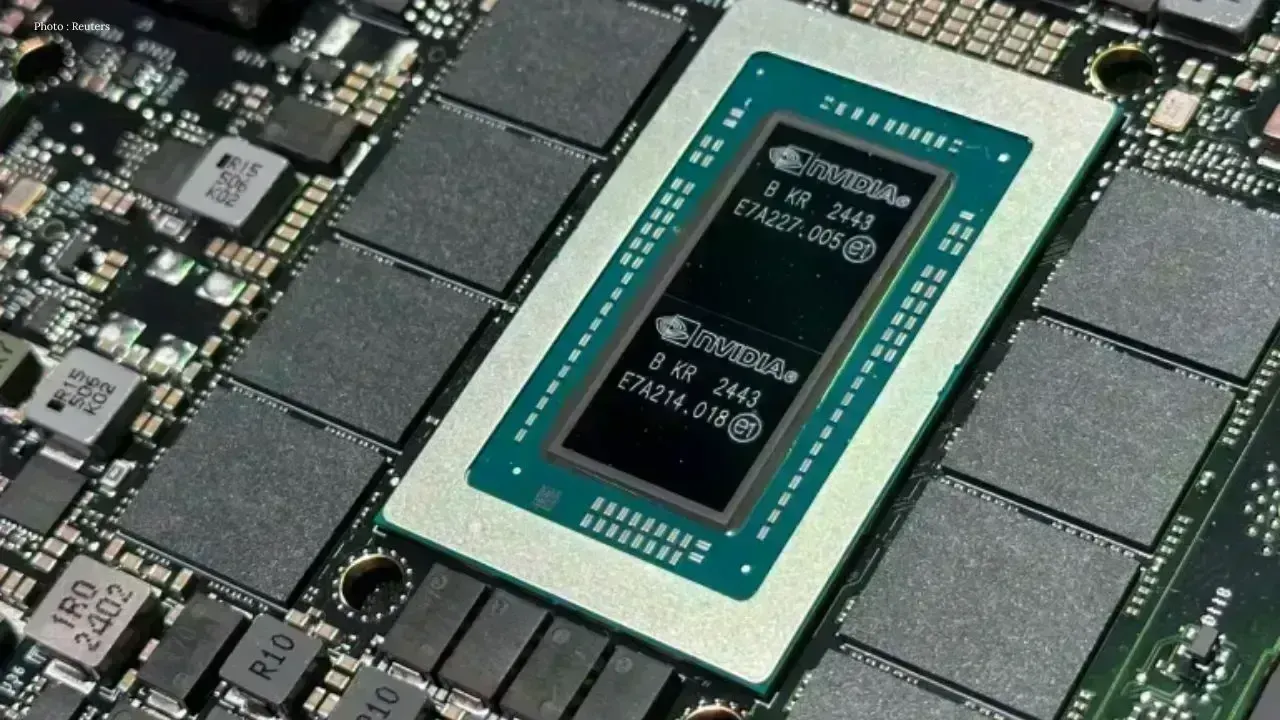
The controversy centers around some of the most advanced AI processors crafted by NVIDIA and Advanced Micro Devices. Products such as Nvidia’s Blackwell and Rubin chips, along with AMD’s MI350X processors, are deemed critical for training and deploying sophisticated AI technologies. These chips provide the computing capabilities necessary for large language models, AI research, and future technological advancements.
This latest move follows a decision made during the Trump administration in 2025 not to completely implement the Biden-era AI Diffusion Rule. Critics highlighted that this choice inadvertently opened a door for Chinese firms to acquire advanced chips through overseas subsidiaries. With the new guidance, the U.S. clearly intends to enforce restrictions on Chinese access to leading-edge AI technology, irrespective of where these companies are based.
Experts interpret this clarification as a response to escalating concerns in Washington regarding China's swift advancements in artificial intelligence. U.S. policymakers increasingly regard advanced semiconductors as crucial technology influencing economic competitiveness, national security, and military readiness. Limiting access to these chips has emerged as a central tenet of the U.S. technology strategy regarding China.
Nvidia has stated that the new guidance aligns with its current compliance protocols, noting that licenses are already required for exporting restricted products to businesses with headquarters in China. However, this clarification could result in stricter oversight of future transactions and supply chains involving Chinese-linked firms operating outside the U.S.
While this policy addresses one possible loophole, analysts argue that further challenges persist. The guidance does not mandate that firms currently utilizing affected chips cease operations, nor does it hinder data centers from continuing to support established systems. Some experts suggest additional measures may be necessary for Washington to fully restrict China's access to advanced AI infrastructure.
This announcement is part of the escalating technological rivalry between the United States and China. In recent years, both nations have implemented restrictions, sanctions, and controls on investments to safeguard strategic industries. The semiconductor sector stands as a critical battleground in this competition because advanced chips are vital for artificial intelligence, defense mechanisms, cloud computing, and forthcoming technological innovations.
Concurrently, China continues to invest heavily in its local semiconductor sector. Chinese companies and state-supported programs have rapidly intensified efforts to cultivate homegrown alternatives to American technology. Some leaders in the Chinese tech industry even argue that U.S. export controls have spurred quicker innovation and greater self-sufficiency in China's technological landscape.
The latest U.S. guidance underscores the importance Washington places on controlling access to advanced AI hardware. As competition grows fiercer between the two largest global economies, export restrictions on semiconductors are projected to remain a pivotal issue shaping the global technology landscape, supply chains, and the future of artificial intelligence development.










Achieve Radiant Skin with This Simple Rice Flour Treatment
Transform your skincare routine! Discover how a rice flour mix can restore your skin's glow without

Meta Unveils Subscription Plans for Instagram, Facebook, and WhatsApp
Meta introduces new subscription plans for users of Instagram, Facebook, and WhatsApp, featuring enh

Suvarna Joy on Education Leadership, Resilience, and Building Purpose Through Adversity in the UAE
Suvarna Joy shares her journey of education leadership, motherhood, faith, and resilience within the

Anticipated Dates for UAE Eid Al Adha 2026 Unveiled by Astronomical Experts
Experts predict Eid Al Adha 2026 in the UAE to start on May 27, prompting early holiday planning amo

DAE Achieves Remarkable Growth in Q1 2026 With Record Revenue
Dubai Aerospace Enterprise announces impressive financial results for Q1 2026, reflecting a surge in

Price Increase for Sony PS5 in Southeast Asia Effective May 1
Sony announces a price increase for the PS5 across Southeast Asia starting May 1, 2026, impacting ga




