Post by : Shweta
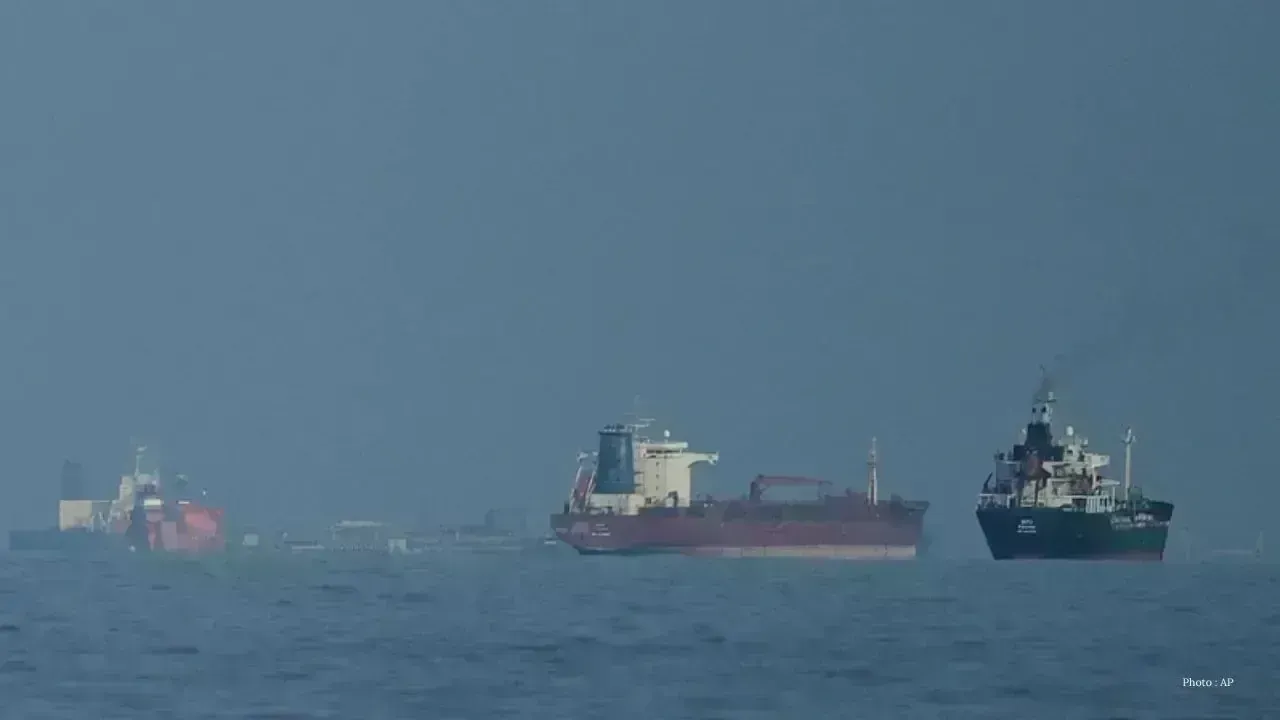
The U.S. military has taken decisive action against an oil tanker traveling toward Iran after it disregarded multiple warnings from American forces in the strategic waters of the Strait of Hormuz. The vessel, identified as the M/T Lexie and registered under the Botswana flag, failed to adhere to instructions from the U.S. Central Command (CENTCOM) over a span of nearly 24 hours while on its way to Kharg Island, a key oil export terminal for Iran.
Officials revealed that U.S. military personnel made numerous attempts to redirect the ship, but when the crew allegedly refused to cooperate, a Hellfire missile was launched at the tanker’s engine compartment. This targeted strike aimed to incapacitate the vessel rather than sink it, successfully preventing it from proceeding towards Iran. No immediate reports indicated any casualties from the operation.
This incident adds to the escalating hostilities between Washington and Tehran in the Gulf area. The U.S. has been implementing maritime restrictions designed to limit Iranian access to key ports. American officials assert these measures are crucial for increasing pressure on Iran and curtailing its oil-related activities. Since the commencement of such a blockade in April, U.S. forces have redirected over 120 vessels and disabled multiple ships for allegedly attempting to breach these restrictions.
The Strait of Hormuz is a vital shipping lane responsible for a significant portion of global oil exports. Any military operations in this region attract considerable international scrutiny, as disruptions could impact global energy markets and shipping activities. Analysts suggest this latest incident underscores the inherent dangers facing commercial vessels in this area, especially given the ongoing tensions between the U.S. and Iran.
The disablement of this tanker follows rising tensions throughout the Gulf, marked by military exchanges, sanctions, and disputes over maritime safety. Iran has vehemently opposed U.S. actions in the area, while Washington insists that its operations are designed to uphold international security protocols and safeguard navigation routes. The current situation is poised to exacerbate the already tenuous diplomatic relations between the two nations.
International observers remain vigilant, recognizing that any escalation in the Strait of Hormuz could have significant implications for global trade, oil prices, and regional peace. With both parties continuing to issue warnings alongside military initiatives, there are serious concerns that further maritime incidents may escalate tensions throughout the Middle East in the weeks to come.







Achieve Radiant Skin with This Simple Rice Flour Treatment
Transform your skincare routine! Discover how a rice flour mix can restore your skin's glow without

Meta Unveils Subscription Plans for Instagram, Facebook, and WhatsApp
Meta introduces new subscription plans for users of Instagram, Facebook, and WhatsApp, featuring enh

Suvarna Joy on Education Leadership, Resilience, and Building Purpose Through Adversity in the UAE
Suvarna Joy shares her journey of education leadership, motherhood, faith, and resilience within the

Anticipated Dates for UAE Eid Al Adha 2026 Unveiled by Astronomical Experts
Experts predict Eid Al Adha 2026 in the UAE to start on May 27, prompting early holiday planning amo

DAE Achieves Remarkable Growth in Q1 2026 With Record Revenue
Dubai Aerospace Enterprise announces impressive financial results for Q1 2026, reflecting a surge in

Price Increase for Sony PS5 in Southeast Asia Effective May 1
Sony announces a price increase for the PS5 across Southeast Asia starting May 1, 2026, impacting ga




