Post by : Saif Nasser
Diplomatic efforts between the United States and Iran have entered an important stage as American negotiators arrive in Islamabad. These talks are aimed at reducing tension, but Iran has made it clear that it will not hold direct meetings with the US.
Instead of face-to-face discussions, communication is expected to take place through Pakistan, which is acting as a mediator. This indirect method shows that both sides are willing to stay in contact, but trust between them remains very low.
The situation comes at a time when the Middle East is already facing high tension. A ceasefire is in place, but it is not fully stable. There are still concerns that the situation could worsen if talks do not lead to progress.
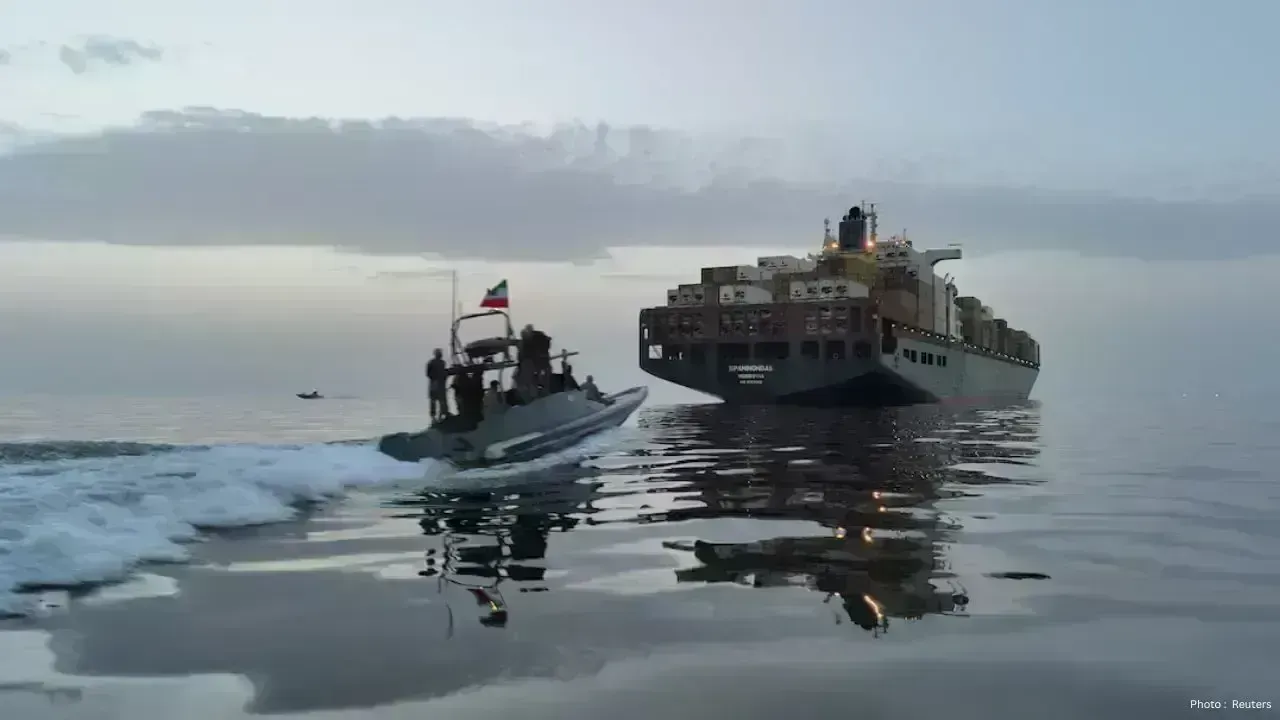
One of the major issues linked to this conflict is the impact on global oil supply. The region includes the Strait of Hormuz, a key route through which a large share of the world’s oil is transported. Any disruption in this area can quickly affect fuel prices and global markets.
The United States is pushing for strict conditions, including limits on Iran’s nuclear program and its activities in the region. Iran, on the other hand, is looking for relief from economic pressure and sanctions. These differences have made it difficult for both sides to agree on common terms.
Pakistan’s role in these talks is very important. By hosting discussions and passing messages, it is helping to keep communication open. This kind of mediation can be useful when direct talks are not possible.
Indirect talks, however, can slow down progress. Without direct meetings, it takes more time to understand each side’s position clearly. Still, such talks are often the first step toward building trust.
Global attention is now focused on Islamabad, where these discussions are taking place. Any positive outcome could help reduce tension in the region and bring some stability to global markets.
The situation shows how complex international diplomacy can be. Even when countries are ready to talk, differences in trust and approach can create challenges. The coming days will be important in deciding whether these efforts can lead to real progress or not.







Global Energy Crisis Intensifies: Markets React to Oil Supply Challenges
Markets are on edge as oil disruptions escalate, influencing prices and economic stability. Explore

Must-See Tourist Spots in London You Can't Overlook
Explore London's essential attractions, from royal landmarks to vibrant markets, ensuring an unforge

Ultimate Guide to Snagging Cheap Flights in 2026
Unlock the secrets to booking affordable flights in 2026 with insightful tips and strategies tailore

The Impact of Consistent Small Investments on Wealth Building
Discover how investing small amounts regularly can positively transform your financial future over t

7.5 Magnitude Earthquake Strikes Japan, Tsunami Alerts Issued
Japan experiences a hefty 7.5 quake, prompting tsunami alerts and safety measures. Stay updated on a
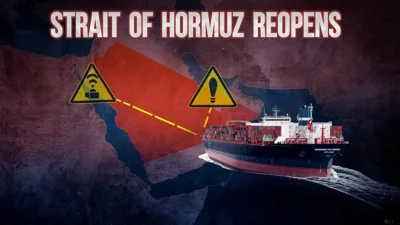
Reopening of the Strait of Hormuz: New Regulations to Impact Global Trade
Iran reopens the strategic Strait of Hormuz with new regulations affecting oil transport and global