Post by : Shakul
The geopolitical landscape in the Middle East has become increasingly fraught after the United States conducted airstrikes against Iranian military targets in retaliation for the reported downing of an MQ-1 Predator drone. These recent military actions spark renewed worries about the tenuous ceasefire that had been the focus of recent negotiations between Washington and Tehran.
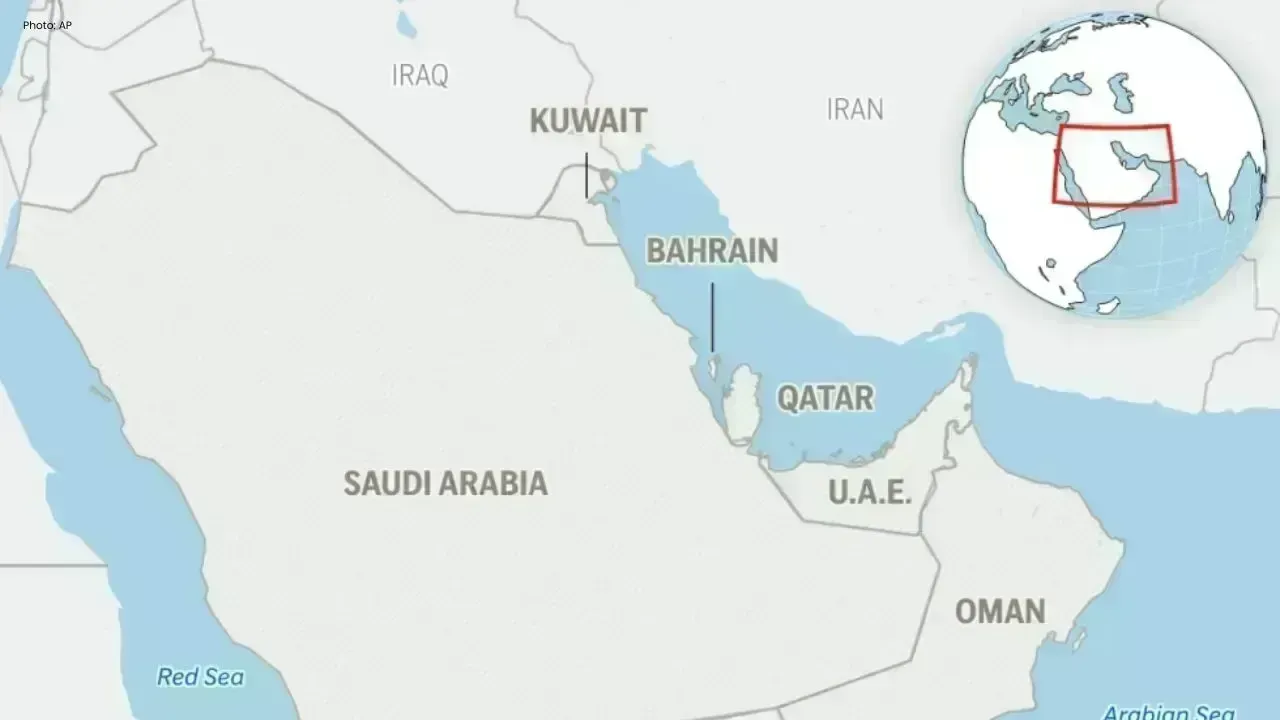
As reported by the United States Central Command, American forces focused their strikes on Iranian radar installations, drone management systems, and key military infrastructures near Geruk and Qeshm Island. US officials emphasized that the strikes were a direct response to what they categorized as provocative Iranian behavior against an American surveillance aircraft operating over international waters.
In a show of force, Iran confirmed it initiated retaliatory strikes following the US airstrikes, with state media reporting damage to a telecommunications facility during the American operations. Additionally, Kuwaiti authorities reported the successful interception of drones and missiles by their air defense systems, averting potential damage and ensuring community safety.
This escalation raises alarms over the viability of diplomatic efforts aimed at prolonging the ceasefire. Both Washington and Tehran publicly advocate for negotiations; however, the recent military clashes have undermined prospects for a sustainable resolution. Regional experts caution that continued hostilities risk igniting a broader security crisis across the Gulf region.
Compounding these tensions is the ongoing disruption in the Strait of Hormuz, a vital artery for global energy supplies. Iran persists in its enforcement of restrictions that impact maritime traffic through this critical passage, generating ripple effects on international oil, natural gas, and fertilizer markets. Investors remain wary as global trade hinges on the stability of this key shipping route.
Moreover, the regional security environment remains precarious, with ongoing hostilities involving Israel, Lebanon, and Hezbollah amid the US-Iran standoff. Analysts highlight that these multifaceted conflicts elevate the risk of misjudgments and further military escalation throughout the Middle East.
Amid escalating tensions, US President Donald Trump expressed a degree of optimism regarding ongoing diplomatic engagements. In his public statements, he indicated that negotiations with Iran continue actively, implying a shared interest in finding a mutually beneficial resolution. Nonetheless, the recent military skirmishes underscore the considerable obstacles that remain before any long-term compromise is reached.






Achieve Radiant Skin with This Simple Rice Flour Treatment
Transform your skincare routine! Discover how a rice flour mix can restore your skin's glow without

Meta Unveils Subscription Plans for Instagram, Facebook, and WhatsApp
Meta introduces new subscription plans for users of Instagram, Facebook, and WhatsApp, featuring enh

Suvarna Joy on Education Leadership, Resilience, and Building Purpose Through Adversity in the UAE
Suvarna Joy shares her journey of education leadership, motherhood, faith, and resilience within the

Anticipated Dates for UAE Eid Al Adha 2026 Unveiled by Astronomical Experts
Experts predict Eid Al Adha 2026 in the UAE to start on May 27, prompting early holiday planning amo

DAE Achieves Remarkable Growth in Q1 2026 With Record Revenue
Dubai Aerospace Enterprise announces impressive financial results for Q1 2026, reflecting a surge in

Price Increase for Sony PS5 in Southeast Asia Effective May 1
Sony announces a price increase for the PS5 across Southeast Asia starting May 1, 2026, impacting ga




