Post by : Saif Nasser
Growing uncertainty between the United States and Iran is creating concern across international oil markets as military operations and diplomatic negotiations continue in the Gulf region.
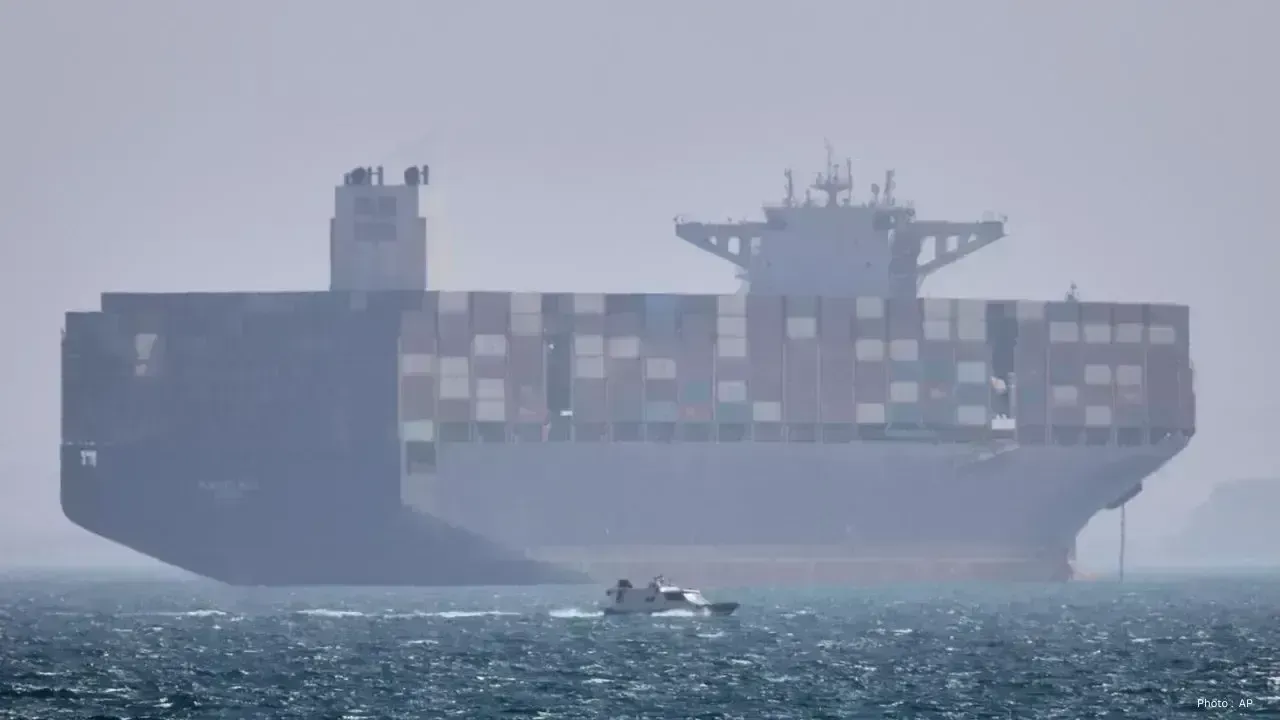
Global attention is once again focused on the Strait of Hormuz, one of the world’s most important shipping routes for crude oil and energy supplies. A large amount of international oil trade passes through the narrow waterway every day, making stability in the region extremely important for the global economy.
American and Iranian officials are reportedly discussing ways to reduce pressure and continue negotiations over security and nuclear-related issues. At the same time, military activity near the Gulf has continued, showing that the situation remains highly sensitive.
U.S. Vice President JD Vance said both sides are still not at the point of direct war, but admitted the situation remains dangerous. Washington is reportedly seeking stronger guarantees related to maritime safety, regional stability, and Iran’s nuclear program.
One of the biggest concerns for global markets is the future of shipping through the Strait of Hormuz. Any disruption in the area could affect fuel supplies and increase oil prices worldwide. Reports suggest Iran may cooperate on keeping shipping routes open if diplomatic discussions continue moving forward.
Despite ongoing talks, military operations have continued in parts of the region. American forces have reportedly responded to security threats near key maritime routes after concerns over drone activity and regional attacks increased.
Oil markets have already reacted to the growing uncertainty. Energy prices have experienced fluctuations because traders fear that continued instability in the Gulf could interrupt global supply chains. Countries that rely heavily on imported fuel are watching developments closely as higher oil prices can increase transportation and living costs.
Several Gulf nations are also carefully monitoring the situation because their economies depend heavily on safe shipping lanes and energy exports. Any major disruption in maritime trade could place pressure on regional economic growth and international commerce.
Relations between Washington and Tehran have remained difficult for decades due to disagreements over sanctions, military influence, nuclear activities, and regional security matters. Although negotiations have taken place at different times, trust between both governments remains limited.
International leaders continue encouraging diplomatic solutions to prevent a wider conflict. European governments and regional allies have urged both sides to avoid military escalation and maintain communication channels.
Financial markets around the world are also reacting closely to developments in the Gulf. Investors often respond quickly to geopolitical uncertainty in energy-producing regions because oil supply problems can affect industries such as aviation, manufacturing, shipping, and transport.
The Strait of Hormuz remains one of the world’s most strategic waterways. A significant share of global oil exports passes through the route every day, making security in the area essential for economic stability worldwide.
Security experts warn that even small military incidents in the Gulf can increase the risk of larger confrontation if diplomatic efforts fail. Naval forces from multiple countries continue operating in nearby waters to protect commercial shipping routes and maintain maritime security.
At the same time, negotiations between the United States and Iran suggest both sides may still prefer diplomatic solutions instead of a prolonged military conflict. Analysts believe successful talks could help reduce pressure on oil markets and improve regional stability.
The coming weeks are expected to remain important as global leaders continue monitoring military activity and diplomatic discussions in the Gulf. Decisions made in the region could influence oil prices, international trade, and economic confidence across the world.







Meta Unveils Subscription Plans for Instagram, Facebook, and WhatsApp
Meta introduces new subscription plans for users of Instagram, Facebook, and WhatsApp, featuring enh

Suvarna Joy on Education Leadership, Resilience, and Building Purpose Through Adversity in the UAE
Suvarna Joy shares her journey of education leadership, motherhood, faith, and resilience within the

Anticipated Dates for UAE Eid Al Adha 2026 Unveiled by Astronomical Experts
Experts predict Eid Al Adha 2026 in the UAE to start on May 27, prompting early holiday planning amo

DAE Achieves Remarkable Growth in Q1 2026 With Record Revenue
Dubai Aerospace Enterprise announces impressive financial results for Q1 2026, reflecting a surge in

Price Increase for Sony PS5 in Southeast Asia Effective May 1
Sony announces a price increase for the PS5 across Southeast Asia starting May 1, 2026, impacting ga

Potential ‘Super El Niño’ in 2026: Understanding the Climate Risks
Could a Super El Niño emerge in 2026? Discover its implications and potential global climate impacts




