
Post by : Shweta
As the conflict between the United States and Iran reaches day 91, there are indications that both nations are nearing a possible 60-day ceasefire agreement. This deal, if finalized, could serve to alleviate tensions in the Middle East which have escalated due to persistent military actions, economic challenges, and concerns of a broader confrontation with Gulf states and vital oil routes.
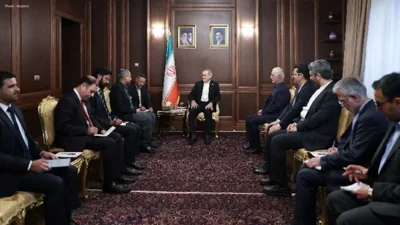
Reports from various international sources suggest that negotiators from both sides have drafted a memorandum of understanding related to the ceasefire. However, implementation awaits approval from US President Donald Trump and Iranian leadership. The tentative agreement would prolong the current ceasefire for an additional 60 days while negotiations regarding Iran's nuclear ambitions and regional security continue.
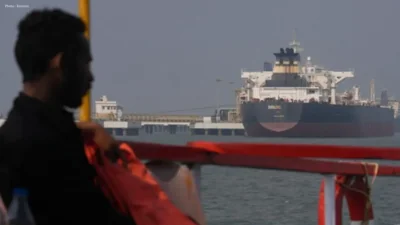
A significant aspect of the talks centers on the Strait of Hormuz, a critical oil shipping corridor. The draft agreement stipulates that Iran would fully reopen this passage for international shipping and remove any naval mines deployed during the conflict. In return, the US might ease certain sanctions, lift restrictions on Iranian ports, and permit limited exports of Iranian oil during the negotiation window.
Despite ongoing negotiations, military skirmishes persist. Recent US airstrikes targeted Iranian positions following claims that Iranian drones endangered commercial vessels in the Strait of Hormuz. Iran's Revolutionary Guard retaliated by attacking a US military base in the Gulf, indicating that peace discussions occur against a backdrop of high tensions.
US Vice President JD Vance acknowledged that both parties are “very close” to an agreement, although he noted that several contentious issues remain unresolved. Furthermore, Iran has publicly disputed certain American assertions regarding the status of the peace negotiations, reflecting the prevailing mistrust that hampers progress.
In the US, the impending agreement has intensified political pressure on President Trump. Some Republican figures argue that the deal could afford Iran too many advantages without adequately curtailing its nuclear ambitions, while others endorse the negotiations, citing the impact of rising oil prices and instability in the Middle East on global markets.
The conflict originated earlier this year when extensive US and Israeli strikes targeted Iranian military infrastructure and personnel. In retaliation, Iran launched missile and drone assaults across the region, threatening shipping routes and military installations. The ongoing war has inflicted severe damage in several countries and prompted fears of a wider crisis in the Middle East.
Analysts believe that the upcoming days are crucial for the conflict's trajectory. Should both sides agree to the ceasefire extension, it may allow for more extensive discussions on sanctions, nuclear limitations, and regional security frameworks. Conversely, continued military engagements or political discord could derail the negotiations at any time.
As the situation unfolds, the global community is keenly observing whether Washington and Tehran can transform this tenuous ceasefire into a sustainable resolution following nearly three months of conflict.








Meta Unveils Subscription Plans for Instagram, Facebook, and WhatsApp
Meta introduces new subscription plans for users of Instagram, Facebook, and WhatsApp, featuring enh

Suvarna Joy on Education Leadership, Resilience, and Building Purpose Through Adversity in the UAE
Suvarna Joy shares her journey of education leadership, motherhood, faith, and resilience within the

Anticipated Dates for UAE Eid Al Adha 2026 Unveiled by Astronomical Experts
Experts predict Eid Al Adha 2026 in the UAE to start on May 27, prompting early holiday planning amo

DAE Achieves Remarkable Growth in Q1 2026 With Record Revenue
Dubai Aerospace Enterprise announces impressive financial results for Q1 2026, reflecting a surge in

Price Increase for Sony PS5 in Southeast Asia Effective May 1
Sony announces a price increase for the PS5 across Southeast Asia starting May 1, 2026, impacting ga

Potential ‘Super El Niño’ in 2026: Understanding the Climate Risks
Could a Super El Niño emerge in 2026? Discover its implications and potential global climate impacts




