Post by : Saif Nasser
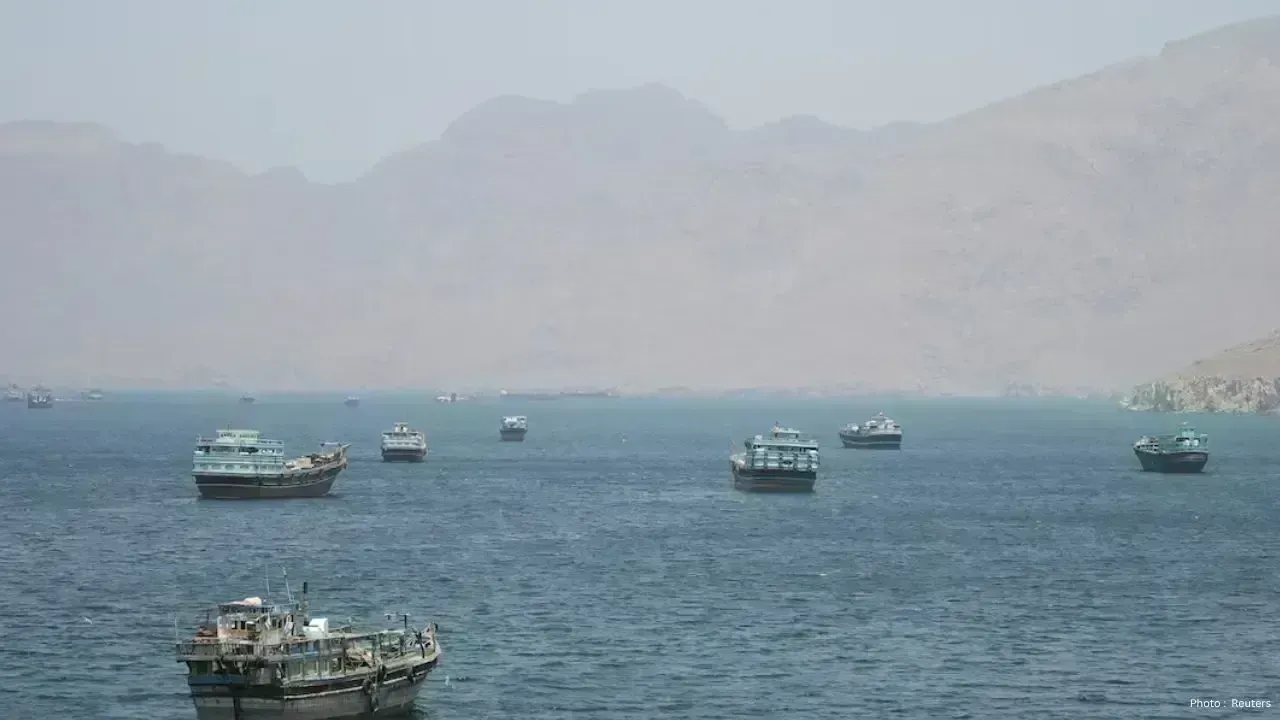
United States and Iran continue to rise as military clashes across the Gulf region show no signs of slowing down. Despite international calls for peace, both sides remain far from reaching any agreement to end the growing conflict.
The latest fighting has increased fears of a wider regional war that could affect global oil supplies, international trade, and overall stability in the Middle East. Several Gulf countries are now on high alert as the situation becomes more dangerous each day.
Recent clashes have included missile attacks, drone strikes, and naval confrontations in different parts of the Gulf region. Military forces linked to both sides continue to exchange threats while diplomatic efforts remain weak and uncertain.
The conflict has already caused serious concern in global financial markets. Oil prices have risen sharply due to fears that the fighting could disrupt shipping routes and energy exports from the Gulf, one of the world’s most important oil-producing regions.
The United States has increased its military presence in the area, sending additional naval forces and defense systems to protect its interests and regional allies. American officials say the deployments are necessary to prevent further attacks and maintain regional security.
Iran, meanwhile, has warned that it will continue defending itself against what it describes as foreign aggression and pressure. Iranian leaders have accused the United States and its allies of increasing tensions instead of supporting peaceful negotiations.
The conflict has also affected neighboring countries, many of which fear becoming caught in a larger war. Governments across the Middle East are urging restraint while also strengthening security around key infrastructure and energy facilities.
International organizations and global leaders have repeatedly called for immediate de-escalation. However, diplomatic talks have made little progress as both Washington and Tehran continue to disagree on major issues related to security, sanctions, and military activities.
China and Russia have also expressed concern over the growing instability. Both countries have called for dialogue and warned that a larger conflict could damage the global economy and threaten international peace.
Experts say one of the biggest dangers is the possibility of accidental escalation. With military forces operating closely in the Gulf region, even a small incident could quickly turn into a much larger confrontation.
The situation is especially worrying because the Gulf region plays a major role in global energy supply. Any major disruption to oil transportation routes could increase fuel prices worldwide and affect economies already struggling with inflation and slow growth.
The conflict is also creating humanitarian concerns. Civilians living in areas near military operations are facing fear, uncertainty, and growing economic pressure. Airlines and shipping companies have also started adjusting routes due to security risks.
Analysts believe the lack of direct communication between the United States and Iran is making the situation even more dangerous. Without active diplomatic engagement, misunderstandings and military miscalculations could increase.
At the same time, political pressure inside both countries continues to limit chances for compromise. Leaders on both sides are facing strong domestic expectations to appear firm and avoid showing weakness during the crisis.
For now, there appears to be no immediate path toward peace. The continued clashes in the Gulf show that tensions remain extremely high, while diplomatic efforts have failed to produce meaningful progress.
The coming weeks may become critical for the future of the region. If violence continues to expand, the conflict could have serious consequences not only for the Middle East but also for global trade, energy markets, and international stability.







Anticipated Dates for UAE Eid Al Adha 2026 Unveiled by Astronomical Experts
Experts predict Eid Al Adha 2026 in the UAE to start on May 27, prompting early holiday planning amo

DAE Achieves Remarkable Growth in Q1 2026 With Record Revenue
Dubai Aerospace Enterprise announces impressive financial results for Q1 2026, reflecting a surge in

Price Increase for Sony PS5 in Southeast Asia Effective May 1
Sony announces a price increase for the PS5 across Southeast Asia starting May 1, 2026, impacting ga

Potential ‘Super El Niño’ in 2026: Understanding the Climate Risks
Could a Super El Niño emerge in 2026? Discover its implications and potential global climate impacts

Global Energy Crisis Intensifies: Markets React to Oil Supply Challenges
Markets are on edge as oil disruptions escalate, influencing prices and economic stability. Explore

Must-See Tourist Spots in London You Can't Overlook
Explore London's essential attractions, from royal landmarks to vibrant markets, ensuring an unforge




