Post by : Bianca Suleiman
May 22 marks the International Day for Biological Diversity, a significant occasion as global organizations strive to safeguard Earth's vital ecosystems, wildlife, and plant diversity that sustain human existence and ecological stability.
Biodiversity is crucial for healthy ecosystems, ensuring food security, climate regulation, maintaining soil quality, and safeguarding resources for future generations. Nevertheless, experts caution that biodiversity is in rapid decline, driven by climate change, pollution, urban development, deforestation, water resource depletion, and unsustainable practices.
Reports indicate that human actions have drastically altered approximately 75% of terrestrial environments and 66% of marine environments. Scientists are also sounding the alarm as nearly one million plant and animal species are currently facing extinction.
The United Nations Educational, Scientific and Cultural Organization (UNESCO) is at the forefront of global biodiversity initiatives, linking science, culture, and conservation efforts. UNESCO-designated areas in 195 countries encompass nearly 10 million square kilometers, exemplifying how biodiversity conservation can coexist with sustainable development.
These regions consist of World Heritage Sites, Biosphere Reserves, and UNESCO Global Geoparks, accounting for around 6% of the planet’s land. Their objectives include promoting harmony between human communities and nature while facilitating knowledge sharing regarding ecosystems.
Mangrove ecosystems are particularly vital in combating climate change by sequestering carbon, shielding coastlines, and fostering marine biodiversity. Latin America and the Caribbean host about 26% of the world’s mangrove areas, which are increasingly threatened by habitat loss and resource exploitation.
To tackle these issues, UNESCO has initiated the “MangRes” project aimed at the restoration of mangrove forests within seven World Biosphere Reserves via community-driven scientific initiatives. Additionally, significant conservation activities in the Amazon region are underway to mitigate forest loss, protect ecosystems, and support livelihoods among local and indigenous populations.
Since 2021, UNESCO has supported over 42 projects aimed at ecosystem restoration and the promotion of sustainable job opportunities, integrating scientific research with local and indigenous wisdom to enhance biodiversity protection and strengthen climate resilience.
The organization has also launched the Environmental DNA (eDNA) Expeditions initiative, encouraging global citizen participation in studying marine biodiversity and the effects of climate change on marine ecosystems. This project has engaged 250 citizen scientists across 19 nations, helping identify over 4,000 marine species using eDNA sampling techniques.
UNESCO continues to expand its network of Global Geoparks, which marry environmental conservation with sustainable livelihoods and active community engagement. Presently, there are 229 UNESCO Global Geoparks worldwide spanning 50 nations.
Looking ahead, the 7th World Conference on Marine Biodiversity is set to convene in Bruges, Belgium, from November 17 to 20, 2026, centered on the theme “The marine biodiversity insights we need, for the ocean we want.” The event will evaluate global advancements in marine conservation and contemplate future priorities for environmental protection.
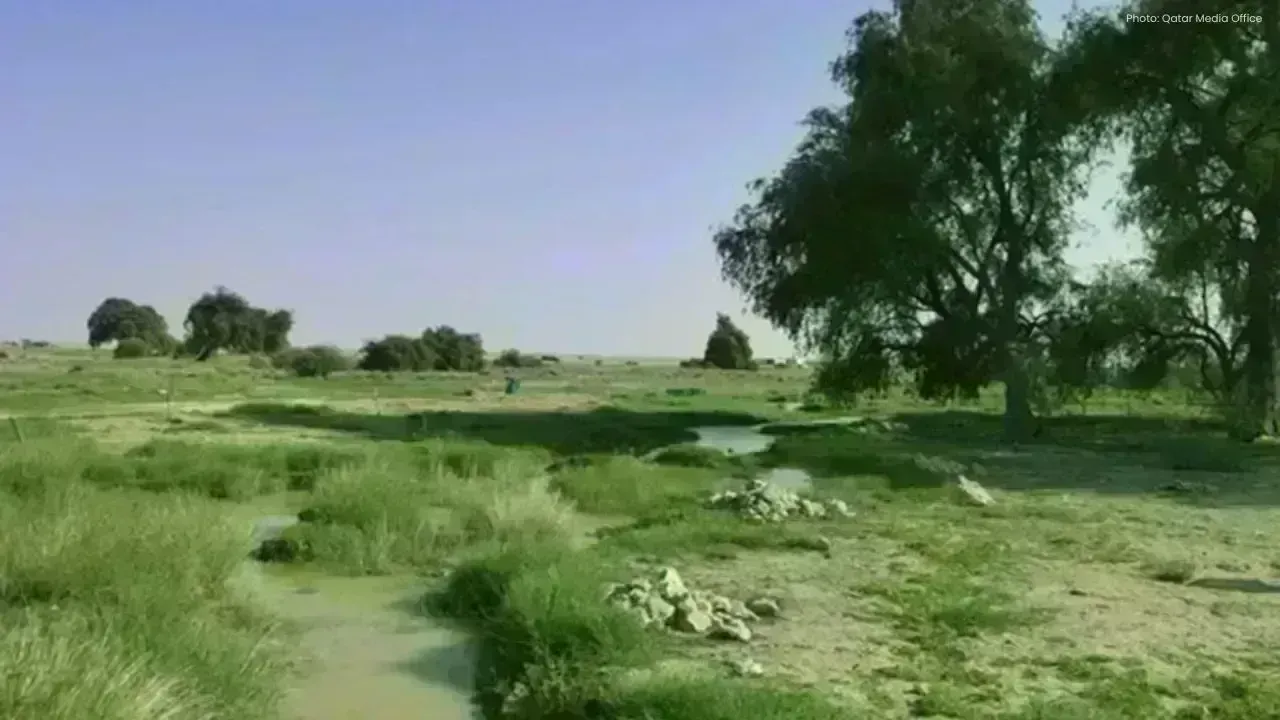
In Qatar, biodiversity conservation has emerged as a leading national objective under the Qatar National Environment and Climate Change Strategy, targeting the safeguarding and restoration of ecosystems while ensuring clean air, water, and sustainable resources for future generations.
The nation aims to protect over 25% of its land area by 2030 via various environmental restoration projects, the protection of endangered species, sustainable fishing, and habitat preservation efforts.
Dr. Dhafi Heedan, Assistant Director of the Wildlife Development Department, stated that the Ministry's objectives for 2025 and 2026 will heavily emphasize biodiversity protection for both terrestrial and marine environments. Key projects include those focused on sea turtle protection at Fuwairit Beach, monitoring nesting locations, rescuing injured turtles, and safeguarding mangroves and marine ecosystems.
The Ministry's initiatives also involve the fencing and rehabilitation of natural areas and the planting of indigenous trees such as acacia, jujube, and ghaf trees to restore essential vegetation and enhance wildlife habitat. Other actions include biodiversity assessments, environmental databases, awareness campaigns, and collaborations with academic institutions and private entities.
Dr. Heedan has pointed out the environmental hurdles faced by Qatar, which include rising temperatures, humidity, marine pollution, overgrazing, invasive species, and damage inflicted by off-road vehicles on natural flora.
Qatar has instigated numerous conservation efforts, including a national seed dispersal initiative and remedies for the removal of harmful mesquite trees. The country actively protects endangered species like the hawksbill sea turtle and the Arabian oryx, which finds sanctuary under UNESCO's protection.
Saif Al Hajari, Head of the Nature Conservators Centre, stressed that protecting biodiversity in Qatar is a collective effort involving government bodies, academic institutions, research centers, civil society organizations, and nature reserves. Conservation initiatives also encompass monitoring whale sharks, tracking dugongs, rehabilitating coral reefs, cultivating mangroves, and restoring marine ecosystems.
He further indicated that Qatar has undertaken significant scientific projects such as the Biodiversity Database and Arabian Oryx Genome initiatives to fortify wildlife monitoring and conservation measures.
Qatar's commitment to biodiversity protection and sustainable environmental development is solidified by its ratification of key international environmental accords, such as the Convention on Biological Diversity, the Cartagena Protocol on Biosafety, and the Nagoya Protocol on Access and Benefit-Sharing.










Anticipated Dates for UAE Eid Al Adha 2026 Unveiled by Astronomical Experts
Experts predict Eid Al Adha 2026 in the UAE to start on May 27, prompting early holiday planning amo

DAE Achieves Remarkable Growth in Q1 2026 With Record Revenue
Dubai Aerospace Enterprise announces impressive financial results for Q1 2026, reflecting a surge in

Price Increase for Sony PS5 in Southeast Asia Effective May 1
Sony announces a price increase for the PS5 across Southeast Asia starting May 1, 2026, impacting ga

Potential ‘Super El Niño’ in 2026: Understanding the Climate Risks
Could a Super El Niño emerge in 2026? Discover its implications and potential global climate impacts

Global Energy Crisis Intensifies: Markets React to Oil Supply Challenges
Markets are on edge as oil disruptions escalate, influencing prices and economic stability. Explore

Must-See Tourist Spots in London You Can't Overlook
Explore London's essential attractions, from royal landmarks to vibrant markets, ensuring an unforge




