Post by : Shweta
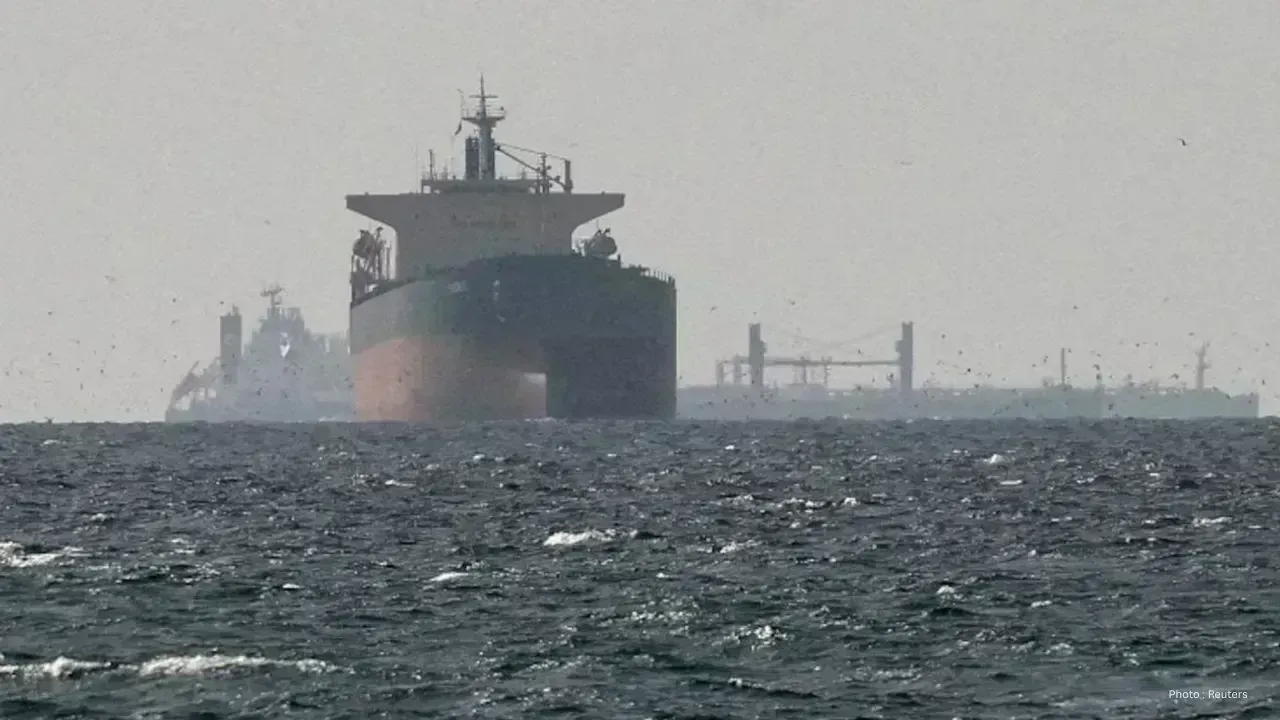
Iran is increasingly asserting control over the Strait of Hormuz, a critical artery for global oil shipments, causing alarms among energy markets and Western governments alike. This strategic waterway links the Persian Gulf to the Gulf of Oman and the Arabian Sea, typically facilitating around 20% of the world’s oil supply. Disruptions in this area can significantly impact global fuel costs and trade dynamics.
Recent reports indicate that Iran has implemented stricter regulations for vessels navigating the strait. Commercial ships are now required to obtain approval from Iranian officials before traversing designated zones, which involves submitting cargo details, crew manifests, and travel plans for review. Analysts highlight that the Islamic Revolutionary Guard Corps (IRGC) has intensified its role in monitoring and directing maritime activities.
Additionally, Iran has established a new body known as the “Persian Gulf Strait Authority,” tasked with overseeing shipping operations and granting transit permits. Experts believe this initiative aims to consolidate Iranian dominance over the waterway and enhance its leverage amidst rising tensions with the United States and its allies. Concerns are growing among international shipping firms and governments that Iran is gradually transforming the strait into a regulated passageway, limiting access for non-allied nations.
Reports suggest vessels tied to nations with close ties to Iran—such as China, Russia, India, and Pakistan—enjoy smoother passage, while others may encounter delays or extra charges. Some shipping firms have reportedly paid substantial unofficial “fees” for safe transit through the waterway. In contrast, Iran maintains that these measures are security protocols designed to safeguard regional waters amid escalating military tensions.
This tightening of control coincides with a rise in conflicts in the Middle East, particularly involving Iran, Israel, and the United States. Iran has consistently warned that foreign military presence near its borders poses risks to regional security, prompting Tehran to bolster naval patrols and enhance scrutiny of vessels in the strait. Analysts assert that Iran is leveraging its geographical position as a tactic to exert pressure on Western powers while preserving its interests in the Gulf.
The consequences for global commerce and energy markets are already evident. Oil shipments through the Strait of Hormuz have notably declined over the past few months, leading to increased shipping insurance rates and transport charges. Energy analysts forecast that prolonged tensions could drive global fuel prices even higher. Some Gulf states, including the UAE, are actively exploring alternatives to reduce reliance on the strait by developing oil export pipelines elsewhere.
Security experts underscore the complexities global powers face in ensuring safe shipping operations in the strait. Despite military support from the U.S. and allied navies, many commercial operators exhibit reluctance to send vessels through the region due to risks associated with drones, naval mines, missile threats, and Iranian inspections.
Considered one of the most sensitive geopolitical chokepoints, the Strait of Hormuz is now under closer Iranian control, regarded as both a strategic military maneuver and an economic pressure tactic. As diplomatic talks between Iran and Western nations unfold, the situation regarding global oil flows through this vital strait remains precarious, keeping international stakeholders in a constant state of vigilance.







Anticipated Dates for UAE Eid Al Adha 2026 Unveiled by Astronomical Experts
Experts predict Eid Al Adha 2026 in the UAE to start on May 27, prompting early holiday planning amo

DAE Achieves Remarkable Growth in Q1 2026 With Record Revenue
Dubai Aerospace Enterprise announces impressive financial results for Q1 2026, reflecting a surge in

Price Increase for Sony PS5 in Southeast Asia Effective May 1
Sony announces a price increase for the PS5 across Southeast Asia starting May 1, 2026, impacting ga

Potential ‘Super El Niño’ in 2026: Understanding the Climate Risks
Could a Super El Niño emerge in 2026? Discover its implications and potential global climate impacts

Global Energy Crisis Intensifies: Markets React to Oil Supply Challenges
Markets are on edge as oil disruptions escalate, influencing prices and economic stability. Explore

Must-See Tourist Spots in London You Can't Overlook
Explore London's essential attractions, from royal landmarks to vibrant markets, ensuring an unforge




