Post by : Sami Jeet
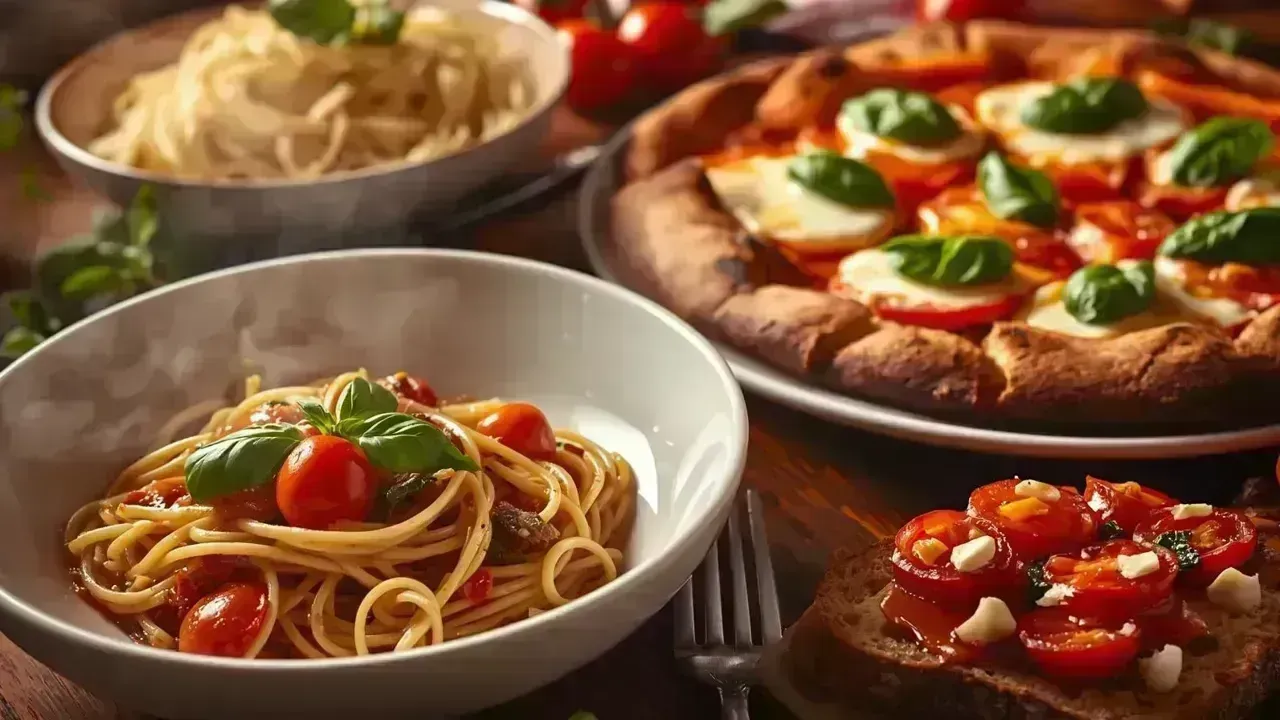
Renowned globally, Italian cuisine is celebrated for its fresh ingredients, regional diversity, and simplicity. From casual street food to classic restaurant offerings, Italy has something for every budget. This guide outlines popular dishes favored by tourists, their typical costs, and where you can savor them.
Prices for food in Italy vary based on locale, city size, and dining type. Tourist hotspots and historic districts tend to be pricier, whereas local trattorias and street vendors deliver authentic meals at more reasonable rates. Generally, northern cities command higher prices than those in the south.
Recognized as Italy’s quintessential dish, Pizza Margherita is particularly tied to Naples. Featuring tomato sauce, mozzarella, basil, and olive oil, it exemplifies Italian culinary art. In Naples, expect to pay between €5 to €8 for a traditional Margherita, while in Rome or Milan, prices can rise to €8 to €14 in touristy areas.
This Roman classic consists of eggs, pecorino cheese, guanciale, and black pepper, with no cream in its authentic form. In local trattorias, carbonara is typically priced between €10 to €14, whereas upscale venues might charge anywhere from €16 to €20.
Originating from Bologna, this savory slow-cooked meat sauce is traditionally paired with tagliatelle. In Bologna, a serving of tagliatelle al ragù costs about €10 to €13, while elsewhere, particularly in tourist-centric restaurants, prices may climb to €14 to €18.
This layered pasta dish, filled with ragù, béchamel, and cheese, is a staple of Emilia-Romagna and popular all over Italy. Expect to pay between €9 to €12 in local establishments and around €15 to €18 in city-center eateries.
Northern Italy, especially Milan, frequently showcases risotto. A famed risotto alla Milanese flavored with saffron usually costs between €12 and €18, with seafood variations potentially priced higher due to ingredient availability.
These delicate potato dumplings are typically served in tomato, butter and sage, or cheese sauces. At a trattoria, standard prices range from €9 to €13, but in heavily touristed areas, they may rise to €15 or above.
This popular Italian bread, especially in Liguria, is enjoyed as a snack or light meal. Bakery prices range from €2 to €4 for slices, with filled variants costing roughly €4 to €7.
Deep-fried rice balls filled with ragù, cheese, or vegetables, predominantly found in Sicily, are sold at street stalls for €2 to €4 each, making them a popular and filling snack.
These grilled or pressed sandwiches filled with ingredients like meats and cheeses typically cost €4 to €7 in cafes, while gourmet shops in Florence and Rome might charge up to €10.
Italy’s famous frozen dessert is widely available, with prices depending on the size of the cup or cone. A small gelato typically costs between €2 and €3.50, and larger servings can range from €4 to €6, often higher in tourist areas.
A classic Italian dessert, tiramisu is crafted with coffee-soaked ladyfingers, mascarpone, and cocoa. Most restaurants charge between €5 and €7, while upscale dining establishments may ask for €8 to €10.
These crisp pastry shells, filled with sweet ricotta cream from Sicily, are available in bakeries for approximately €2.50 to €4 each, contingent upon size and quality of filling.
Italian coffee remains affordable compared to global standards. An espresso at the bar typically costs between €1 and €1.50, though sitting at a table in busy areas can drive the price to €3 or more due to service fees.
Sampling street food and baked goods presents the most cost-effective way to relish authentic Italian flavors. Dining in restaurants entails higher expenses but provides enhanced ambiance and service. A budget traveler could enjoy meals for €15 to €25 daily, while mid-range dining would average around €30 to €45.
Food prices are generally lower in southern Italy compared to the north. Cities like Naples, Palermo, and Bari offer more budget-friendly options, unlike pricier locations like Milan, Venice, and Florence. Coastal and island regions may also increase seafood dish prices.
Choosing lunch over dinner can result in significant savings at restaurants, where prices often dip. Avoid eateries advertising tourist menus outside. Standing at the bar for coffee is cheaper than seated service. Local markets and bakeries offer meals representing great value.
Popular picks for travelers include pizza, pasta carbonara, lasagna, gelato, and tiramisu, as these dishes are wholesome and widely available. Street fare like panini and arancini is favored among those watching their wallets.
Dining in Italy presents tremendous value when you embrace local eating habits. With options ranging from €2 street snacks to €15 classic entrees, Italy showcases that fantastic food doesn’t have to break the bank. By grasping regional pricing and dining culture, travelers can indulge in authentic Italian fare without overspending.
The food prices indicated are approximations and may fluctuate based on city, season, and type of restaurant. This article serves informational purposes and does not assure exact pricing.









Anticipated Dates for UAE Eid Al Adha 2026 Unveiled by Astronomical Experts
Experts predict Eid Al Adha 2026 in the UAE to start on May 27, prompting early holiday planning amo

DAE Achieves Remarkable Growth in Q1 2026 With Record Revenue
Dubai Aerospace Enterprise announces impressive financial results for Q1 2026, reflecting a surge in

Price Increase for Sony PS5 in Southeast Asia Effective May 1
Sony announces a price increase for the PS5 across Southeast Asia starting May 1, 2026, impacting ga

Potential ‘Super El Niño’ in 2026: Understanding the Climate Risks
Could a Super El Niño emerge in 2026? Discover its implications and potential global climate impacts

Global Energy Crisis Intensifies: Markets React to Oil Supply Challenges
Markets are on edge as oil disruptions escalate, influencing prices and economic stability. Explore

Must-See Tourist Spots in London You Can't Overlook
Explore London's essential attractions, from royal landmarks to vibrant markets, ensuring an unforge




