Post by : Bianca Suleiman
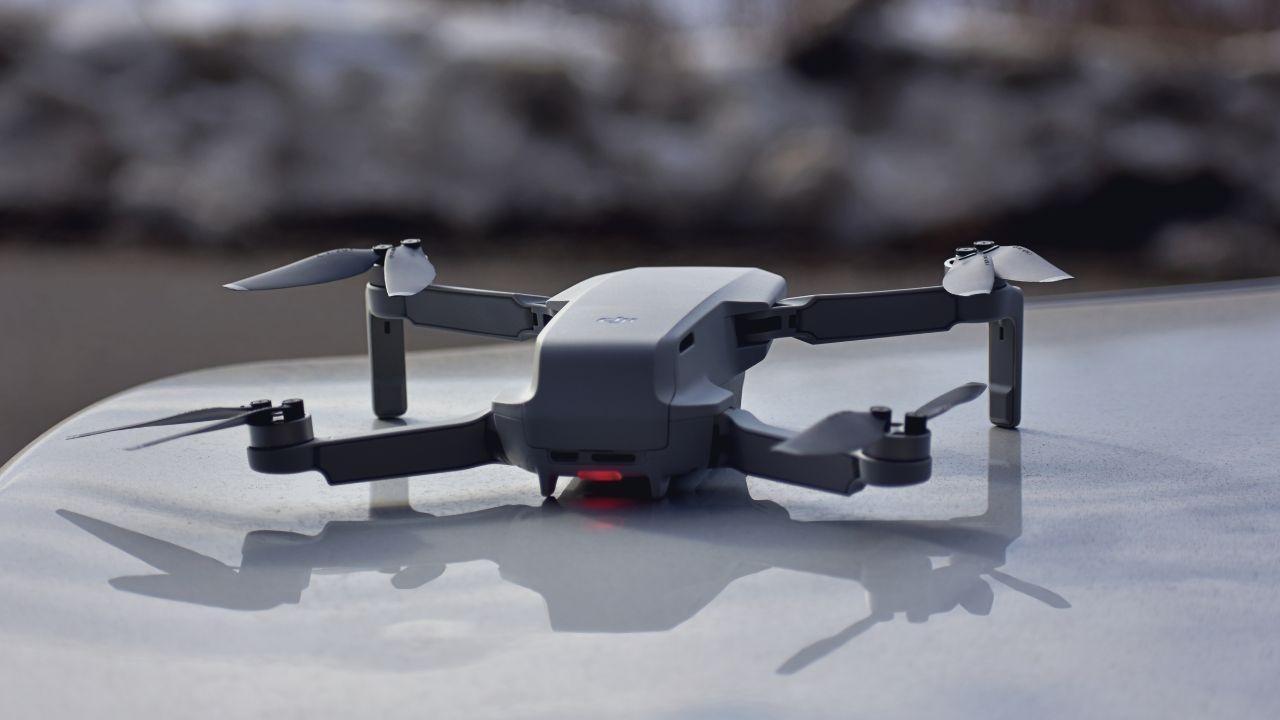
Kyiv – With the onset of war in February 2022, Ukrainians faced a crucial choice: flee, hide, or engage in the fight. Kseniia Kalmus, once a floral designer, chose to convert her workshop into a drone production hub, creating hundreds of military drones each month.
“I aimed to support my country and its military,” she reflected. Initially focusing on fundraising for medical supplies, vehicles, and uniforms, her efforts swiftly transitioned to drone manufacturing—small quadcopters reimagined to deliver explosives into battle.
Dubbed the world’s first comprehensive drone war, Ukraine claims that drones account for about three-quarters of Russian casualties, marking a significant evolution from traditional warfare.
Transformation in Production
Before the conflict, just a few drone manufacturers operated in Ukraine. Now, hundreds of small enterprises and grassroots organizations are manufacturing drones. Civilians like Kalmus are at the forefront of this movement, crafting and donating equipment for frontline troops.
Drone warfare has expanded beyond Ukraine, impacting conflicts in regions such as the Middle East, Myanmar, and Sudan, prompting countries globally to invest in both offensive and defensive drone technologies. For instance, Belgium has sought anti-drone systems following disruptions caused by drone sightings at airports.
Expanding the Industry
The rise in drone use has led to a heightened demand for military-grade drones and counter-drone solutions. Major defense contractors, including Lockheed Martin and Boeing, along with smaller entities like AeroVironment and Tekever, are ramping up production. Additionally, Germany’s Stark is establishing a new facility in the UK to cater to increasing European demand.
The emergence of drones has fostered a counter-industry as well, with companies such as Australia’s DroneShield and Norway’s Munin Dynamics developing systems for detecting and neutralizing small drones, now attracting interest from nations across Europe, Asia, and Latin America.
Future Developments
While most existing drones are piloted manually, specialists predict the next evolution will feature AI-driven drones. These could operate in coordinated groups or autonomously, offering a revolution in aerial conflict.
For Kalmus and fellow volunteers, the conflict holds deep personal significance. “I profoundly miss my floral life,” she shares. “But this is about survival—our culture, our country, our very existence.”
The narrative of Ukraine's drone innovation illustrates how adaptability and resilience have empowered ordinary citizens to play crucial roles in modern warfare, underscoring the essential nature of technology in national defense.








Rybakina and Pegula Reach Australian Open Semifinals Following Major Upsets
Rybakina upsets Swiatek; Pegula defeats Anisimova. Both advance to the Australian Open semifinals, a

Trump Appeals for Calm After Federal Shooting Incident in Minnesota
In response to the fatal shooting of two citizens by federal agents, President Trump calls for calm

Malaysian Football Association's Executive Resigns Amid FIFA Sanctions
The Football Association of Malaysia's leadership resigns following FIFA sanctions related to player

Australian Wine Exports See 8% Decline Due to Global Demand Shifts
Australia's wine exports fell 8% to A$2.34 billion in 2025 as global demand wanes and key markets st

US Hikes Tariffs on South Korea Amid Delay in Investment
US imposes higher tariffs on South Korean imports as investment and reforms stall, escalating trade

Strengthening the U.S.-Taiwan Alliance in AI and Tech Security
Taiwan and the U.S. bolster their partnership in AI, tech, and economic security while addressing gl