Post by : Saif Nasser
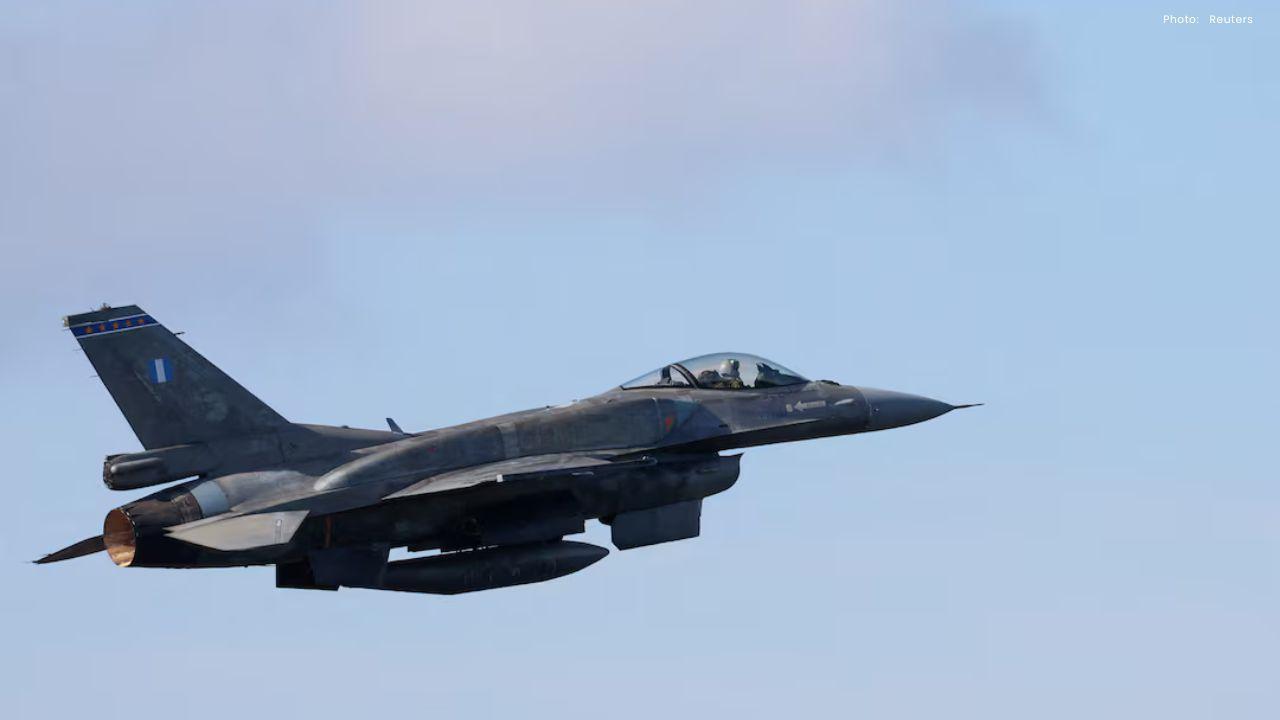
Ukraine’s modern F-16 fighter jets, which were expected to strengthen the country’s air defenses, faced a serious challenge during the war with Russia. For several weeks, the aircraft had very few U.S.-made missiles available. This shortage limited the ability of Ukrainian pilots to respond to Russian air attacks at a time when the country needed strong air protection.
The issue took place between late November and mid-December 2025. During this period, Ukraine’s F-16 units reportedly had very limited supplies of important air-to-air missiles. These missiles are used to shoot down enemy aircraft, drones, and cruise missiles. Without enough of them, even advanced fighter jets cannot perform their missions effectively.
Ukraine began receiving F-16 fighter jets from Western allies after a long period of training and preparation. Countries such as Denmark, the Netherlands, and Norway agreed to provide the aircraft as part of their military support for Ukraine. The jets are considered one of the most advanced fighter aircraft in the world and were expected to improve Ukraine’s ability to defend its skies.
However, aircraft alone cannot win air battles. Fighter jets require a constant supply of weapons, spare parts, and technical support. The missile shortage showed how important these supporting resources are. Without them, even modern aircraft like the F-16 cannot reach their full potential.
During the weeks when missiles were in short supply, Ukrainian pilots had to be more careful in how they used their weapons. Some pilots relied on aircraft cannons or older missile systems that were not as effective as modern Western weapons. These alternatives can work in certain situations, but they are not ideal when facing large numbers of drones and missiles.
Russia has continued to launch heavy air attacks against Ukraine throughout the war. These attacks often involve waves of drones and missiles aimed at cities, power stations, and military targets. Ukraine relies on both ground-based air defense systems and fighter aircraft to intercept these threats before they reach their targets.
When missile supplies dropped, Ukraine’s defensive capability became weaker. Experts say that modern air defense systems use large numbers of missiles during intense attacks. Sometimes dozens of interceptors are needed in a single night to stop incoming threats.
The shortage was eventually resolved when new shipments of missiles arrived in mid-December. These deliveries helped restore Ukraine’s air defense strength and allowed the F-16 jets to return to normal operations. With the fresh supply of weapons, Ukrainian pilots were once again able to intercept drones and missiles more effectively.
The incident also revealed the growing pressure on global weapons supplies. Many Western countries have been providing military aid to Ukraine since the Russian invasion began in 2022. Over time, these supplies have reduced the stockpiles available in some countries.
At the same time, other conflicts around the world are increasing the demand for advanced weapons. Military planners now face the challenge of supporting allies while also maintaining their own national defense systems.
Ukraine has repeatedly asked Western nations to increase weapons production and speed up deliveries. Ukrainian officials warn that delays or shortages can create serious risks during active combat. Even a short gap in supplies can weaken defensive operations.
Military experts say this situation reflects a larger problem in modern warfare. Many defense industries were not prepared for a long and intense conflict that requires constant production of missiles, ammunition, and equipment. Factories are now working to increase production, but expanding manufacturing capacity takes time.
Some Western defense companies have already started building new facilities and hiring more workers to produce additional weapons. Governments are also signing long-term contracts to make sure production continues at higher levels.
For Ukraine, the temporary missile shortage served as an important lesson. While advanced aircraft such as the F-16 provide powerful capabilities, their effectiveness depends on steady logistical support. Reliable supply chains are just as important as the weapons themselves.
Ukraine is also trying to strengthen its own defense industry. The country has increased investment in domestic drone technology and missile development. Ukrainian leaders believe that building more weapons at home could reduce dependence on foreign supplies in the future.
Still, international support remains critical. Western partners continue to provide military equipment, training, and intelligence to help Ukraine defend itself. This cooperation has played a major role in helping the country resist Russian military pressure.
As the conflict continues, maintaining a steady flow of military supplies will remain essential. The brief shortage faced by Ukraine’s F-16 fleet shows how quickly battlefield conditions can change when resources become limited.
For now, the arrival of new missile shipments has helped restore Ukraine’s air defense strength. But the experience has reminded both Ukraine and its allies that modern war depends not only on advanced technology, but also on constant preparation and reliable supply networks.










DAE Achieves Remarkable Growth in Q1 2026 With Record Revenue
Dubai Aerospace Enterprise announces impressive financial results for Q1 2026, reflecting a surge in

Price Increase for Sony PS5 in Southeast Asia Effective May 1
Sony announces a price increase for the PS5 across Southeast Asia starting May 1, 2026, impacting ga

Potential ‘Super El Niño’ in 2026: Understanding the Climate Risks
Could a Super El Niño emerge in 2026? Discover its implications and potential global climate impacts

Global Energy Crisis Intensifies: Markets React to Oil Supply Challenges
Markets are on edge as oil disruptions escalate, influencing prices and economic stability. Explore

Must-See Tourist Spots in London You Can't Overlook
Explore London's essential attractions, from royal landmarks to vibrant markets, ensuring an unforge

Ultimate Guide to Snagging Cheap Flights in 2026
Unlock the secrets to booking affordable flights in 2026 with insightful tips and strategies tailore




