Post by : Saif Nasser
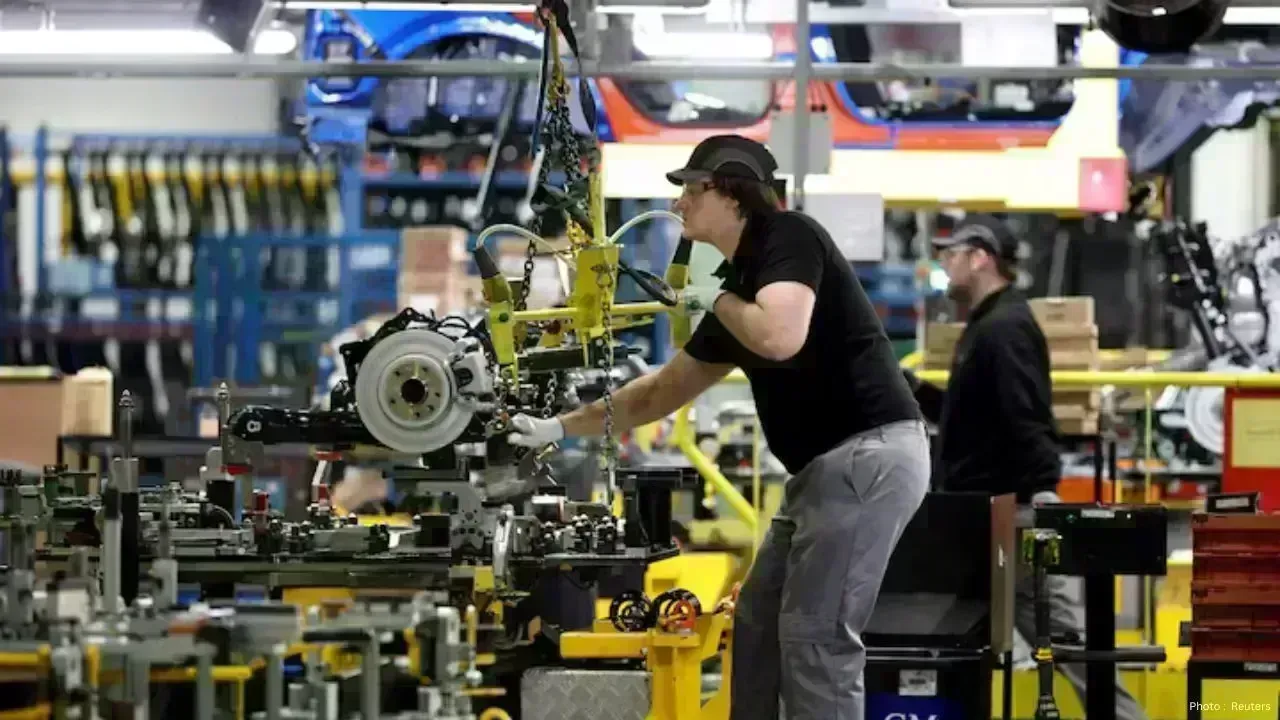
Factories across the United Kingdom are facing growing pressure as the ongoing conflict involving Iran continues to disturb global supply chains. Businesses are now dealing with rising costs, slower deliveries, and increasing uncertainty about the future.
Recent data shows that manufacturing activity in the UK is still expanding, but the pace of growth is under strain. Companies are reporting a sharp increase in the cost of raw materials and energy. These rising expenses are closely linked to global tensions and instability in key regions.
One of the biggest challenges is the disruption of important shipping routes. When conflict affects major transport paths, it becomes harder and more expensive to move goods from one place to another. Companies often have to use longer routes, which increases both time and cost.
This has led to delays in deliveries for UK factories. Many businesses are waiting longer than usual to receive materials needed for production. These delays can slow down operations and reduce efficiency, making it harder for companies to meet demand on time.
Higher energy prices are also adding to the problem. Manufacturing depends heavily on energy, and when fuel costs rise, production becomes more expensive. Companies are often forced to pass these costs on to customers, leading to higher prices for finished products.
The situation is not only affecting the UK. The impact of the Iran-related conflict is being felt across global markets. Rising oil prices, supply disruptions, and transport issues are creating challenges for industries in many countries.
To manage these issues, some companies have started to store extra materials. This helps them continue production for a short time, but it is not a long-term solution. If supply problems continue, these запас materials will eventually run out, creating further difficulties.
Business confidence has also taken a hit. Many manufacturers are worried about the future, especially if costs keep rising and delays continue. This uncertainty can affect investment decisions and long-term planning.
Another important concern is inflation. When production costs increase, prices of goods also rise. This affects both businesses and consumers. Higher prices reduce buying power and can slow down overall economic growth.
Despite these challenges, some parts of the manufacturing sector are still showing strength. Certain companies continue to hire workers and maintain production levels. However, this stability may not last if global conditions remain uncertain.
The situation highlights how connected the world economy has become. A conflict in one region can quickly affect industries in another. In this case, tensions in the Middle East are directly impacting factories in the United Kingdom.
It also shows the importance of having flexible supply chains. Companies that depend on limited suppliers or routes are more likely to face problems during crises. Many businesses may now look for new ways to reduce risks in the future.
Governments and policymakers also face challenges in such situations. They must find ways to control rising prices while supporting economic growth. This balance becomes more difficult during times of global uncertainty.
For ordinary people, the impact may be seen in everyday life. Higher production costs can lead to more expensive goods, affecting household budgets. This makes it important for both businesses and governments to manage the situation carefully.
The current challenges serve as a reminder that global stability plays a key role in economic growth. As long as disruptions continue, industries will need to adjust and find new ways to operate.
UK factories are now adapting to these changes, but the road ahead remains uncertain. Their ability to manage rising costs and delays will be important for the future of the manufacturing sector.








DAE Achieves Remarkable Growth in Q1 2026 With Record Revenue
Dubai Aerospace Enterprise announces impressive financial results for Q1 2026, reflecting a surge in

Price Increase for Sony PS5 in Southeast Asia Effective May 1
Sony announces a price increase for the PS5 across Southeast Asia starting May 1, 2026, impacting ga

Potential ‘Super El Niño’ in 2026: Understanding the Climate Risks
Could a Super El Niño emerge in 2026? Discover its implications and potential global climate impacts

Global Energy Crisis Intensifies: Markets React to Oil Supply Challenges
Markets are on edge as oil disruptions escalate, influencing prices and economic stability. Explore

Must-See Tourist Spots in London You Can't Overlook
Explore London's essential attractions, from royal landmarks to vibrant markets, ensuring an unforge

Ultimate Guide to Snagging Cheap Flights in 2026
Unlock the secrets to booking affordable flights in 2026 with insightful tips and strategies tailore




