Post by : Shweta
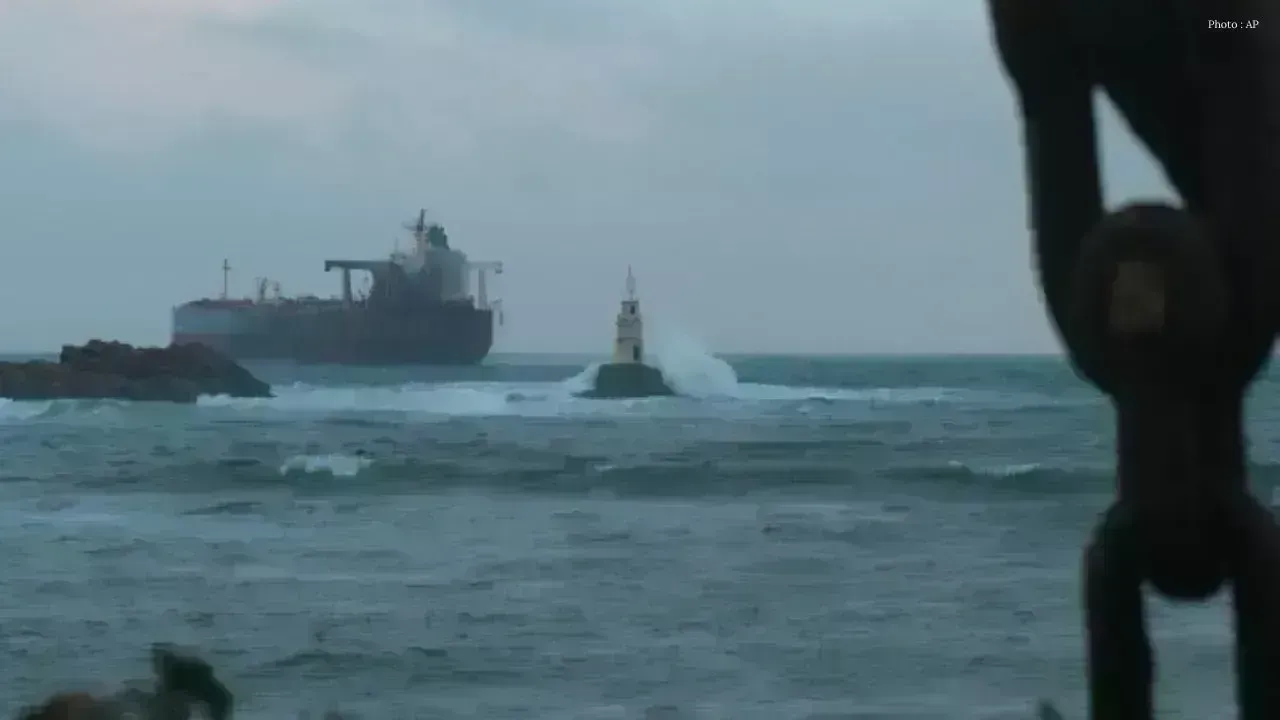
In a significant move, French naval forces, with the backing of the United Kingdom, successfully intercepted an oil tanker linked to Russia, marking a pivotal moment in Europe’s ongoing attempts to enforce sanctions and monitor maritime activities related to the nation’s energy exports. This operation has drawn scrutiny from the global community as Western nations ramp up pressure on Moscow amidst its protracted conflict in Ukraine.
Reports indicate that the tanker was intercepted during its passage through regions now subjected to heightened surveillance by European authorities, aimed at spotting vessels attempting to sidestep sanctions. The operation was executed by French naval units, who received essential intelligence and logistical support from their British counterparts. Officials highlighted that this action is part of a broader strategy to maintain compliance with international maritime regulations and enhance maritime security.
In light of increasing concerns over Russia's so-called "shadow fleet"—a network of aging vessels allegedly tasked with transporting Russian oil while evading sanctions—European governments are ramping up monitoring. These vessels often navigate under complex ownership structures, frequently changing flags or registration to evade detection.
French officials confirmed that the interception adhered to international maritime law, with the vessel being stopped for a comprehensive inspection of its cargo, ownership documentation, insurance status, and adherence to existing sanctions. While detailed findings from the operation have not been disclosed, authorities emphasized that it unfolded in a calm and professional manner.
The UK has taken a proactive stance in mitigating Russia's energy revenues since the onset of the Ukraine crisis, imposing numerous sanctions targeting Russian oil exports, financial institutions, and individuals associated with the Kremlin. London has also stepped up collaboration with European allies to oversee maritime routes exploited for oil transport.
This latest interception aligns with a broader trend where Western governments are tightening restrictions on Russia’s energy exports. Although Russia is among the world's top oil producers, sanctions imposed by the EU, UK, US, and their allies aim to curtail Moscow’s revenue-generating capabilities within global energy markets, thereby intensifying economic pressure while limiting resources for military operations.
Russia has consistently condemned the Western sanctions as illegal and politically motivated, asserting that such measures distort global markets and inflate fuel prices worldwide. The nation is actively working to redirect its oil exports to market players in Asia, the Middle East, and beyond, circumventing the Western sanction framework.
Security analysts assert that effective maritime enforcement is crucial for the success of sanctions, prompting European authorities to enhance naval patrols, share intelligence, and conduct thorough port inspections to identify vessels suspected of non-compliance. This increasing focus on maritime trade highlights fears that some sanctioned goods continue to infiltrate international markets through alternative transportation channels.
Additionally, this operation serves as a testament to the cooperative defense efforts between France and the United Kingdom, which endure despite occasional political rifts post-Brexit. Both nations remain prominent NATO members, collaborating on various security matters from European defense to counterterrorism and maritime surveillance, including their support for Ukraine.
Experts predict that incidents involving Russian-associated tankers could proliferate as sanctions enforcement escalates. European leaders have conveyed intentions to persist in monitoring key shipping routes and investigating vessels suspected of assisting sanction evasion, solidifying this approach within Western policies towards Russia in the forthcoming months.
This interception has ignited dialogue among international analysts regarding the future of maritime sanctions enforcement. Proponents advocate for robust monitoring to ensure the efficacy of sanctions, whereas critics caution that intensified naval engagement might exacerbate tensions between Russia and Western nations.
As the investigation of the tanker unfolds, this incident exemplifies how the ongoing conflict in Ukraine continues to shape global trade, energy markets, and international security frameworks. With Western nations sustaining pressure on Moscow and Russia endeavoring to maintain its export avenues, maritime operations are set to remain a critical battleground in the broader geopolitical context.








Achieve Radiant Skin with This Simple Rice Flour Treatment
Transform your skincare routine! Discover how a rice flour mix can restore your skin's glow without

Meta Unveils Subscription Plans for Instagram, Facebook, and WhatsApp
Meta introduces new subscription plans for users of Instagram, Facebook, and WhatsApp, featuring enh

Suvarna Joy on Education Leadership, Resilience, and Building Purpose Through Adversity in the UAE
Suvarna Joy shares her journey of education leadership, motherhood, faith, and resilience within the

Anticipated Dates for UAE Eid Al Adha 2026 Unveiled by Astronomical Experts
Experts predict Eid Al Adha 2026 in the UAE to start on May 27, prompting early holiday planning amo

DAE Achieves Remarkable Growth in Q1 2026 With Record Revenue
Dubai Aerospace Enterprise announces impressive financial results for Q1 2026, reflecting a surge in

Price Increase for Sony PS5 in Southeast Asia Effective May 1
Sony announces a price increase for the PS5 across Southeast Asia starting May 1, 2026, impacting ga




