Post by : Saif Nasser
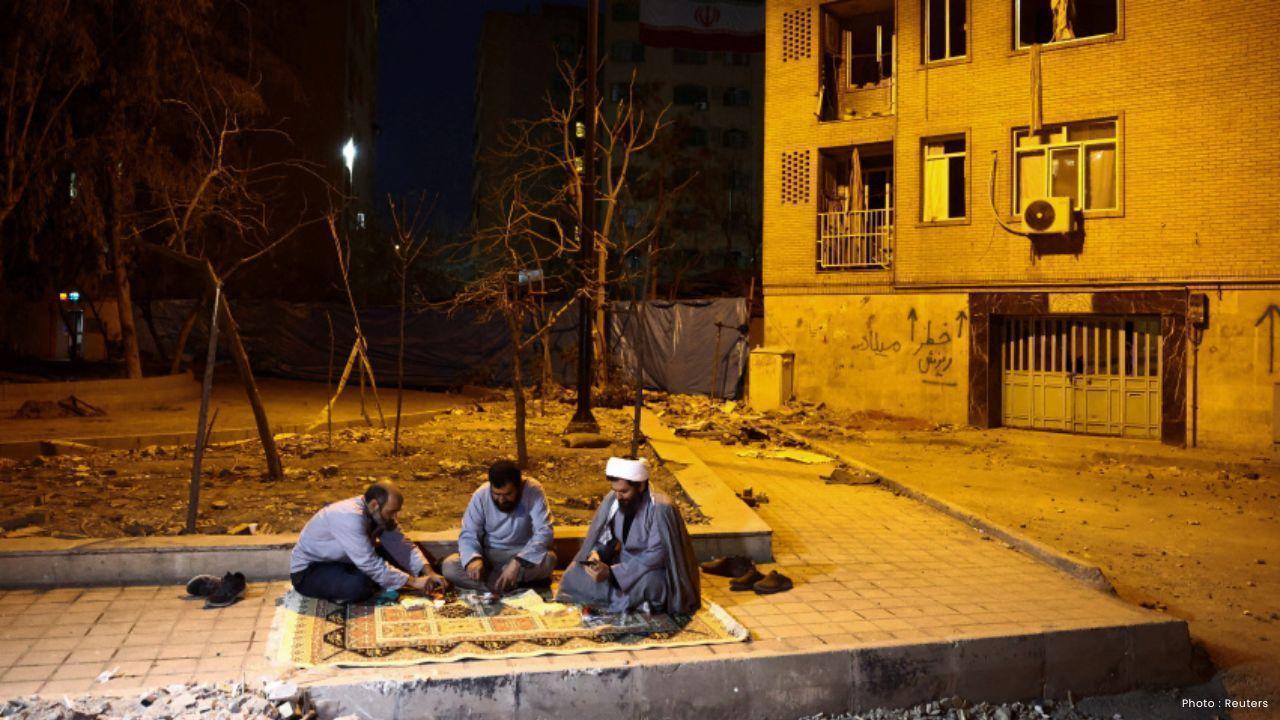
The Middle East is once again facing a dangerous moment, as rising tensions between Israel and Iran begin to affect the entire world. What started as a regional conflict is now turning into a global concern, mainly because of its impact on energy supplies. Oil and gas facilities, which are essential for daily life and economic stability, have become key targets in this ongoing confrontation.
Recently, former U.S. President Donald Trump made a strong appeal to Israel, asking it not to repeat attacks on Iran’s energy infrastructure. His message comes at a time when the situation is already tense, and any further escalation could push the region closer to a full-scale crisis.
Reports suggest that Israeli forces carried out strikes on Iran’s natural gas facilities as part of a broader military campaign. These actions were seen as an attempt to weaken Iran’s economic strength. However, such strikes did not go unanswered. Iran responded with counterattacks targeting energy-related sites in the Gulf region, including areas close to Qatar. These retaliatory strikes caused serious damage and disrupted energy flows in the region.
As a result, global markets reacted quickly. Oil prices rose sharply, and natural gas supplies became uncertain. Countries that depend on imported energy, including India, began to feel the pressure. Higher fuel costs often lead to increased prices for transport, electricity, and essential goods, making life more expensive for ordinary people.
In this tense situation, Donald Trump’s warning carries significant weight. He clearly stated that Israel should avoid further attacks on Iran’s energy facilities. His concern is based on the understanding that energy infrastructure is deeply connected to global stability. When such systems are damaged, the impact is not limited to one country or region—it spreads across the world.
The conflict itself has been growing over time. Earlier military actions involving the United States and Israel had already increased tensions with Iran. Since then, both sides have engaged in a series of attacks and counterattacks. With each step, the risk of a wider war has increased.
One of the biggest concerns right now is the safety of the Strait of Hormuz. This narrow passage is one of the most important routes for global oil transport. A large portion of the world’s oil supply moves through this area every day. If the route becomes unsafe or blocked, it could lead to a major disruption in global energy supplies.
There are already signs of trouble. Shipping traffic in the region has slowed down, and some vessels are avoiding the route due to safety concerns. This has added more pressure to an already unstable market. Experts warn that if the situation continues to worsen, the world could face a serious energy shortage.
Another important aspect of this crisis is the difference in approach between the United States and Israel. While Israel appears willing to continue targeting key Iranian assets, the United States is showing signs of caution. American leaders seem more focused on preventing the conflict from spreading further, especially in ways that could harm global energy systems.
This difference in strategy highlights how complex the situation has become. Even close allies may not always agree on the best course of action during a crisis. Such differences can influence how the conflict develops in the coming days.
At the same time, Iran has made its position clear. Its leaders have warned that any further attacks on its energy infrastructure will be met with stronger retaliation. This raises the risk of a cycle of escalation, where each side responds more aggressively than before. In such a scenario, the chances of a wider war increase significantly.
Around the world, there are growing calls for restraint. Many countries and international organizations are urging both sides to avoid targeting critical infrastructure and to return to diplomatic talks. The focus is on reducing tensions and ensuring that vital systems, especially those related to energy, remain protected.
This situation serves as a reminder of how interconnected the modern world is. A conflict in one region can quickly affect economies and people across the globe. Energy, in particular, plays a central role in this connection. When it becomes a target, the consequences are felt everywhere.
From an editorial point of view, the current path is deeply concerning. Military actions against energy infrastructure carry risks that go far beyond immediate tactical gains. They can trigger economic instability, raise living costs, and create uncertainty on a global scale.
Donald Trump’s warning to Israel reflects a broader concern that many leaders share. It is not just about stopping attacks; it is about preventing a larger crisis that could harm millions of people worldwide.
At this critical moment, restraint and careful decision-making are more important than ever. Continuing down the path of escalation could lead to serious consequences, while a step back could open the door to dialogue and stability.
The choice before the involved nations is clear. They can either continue actions that increase tension and risk, or they can work towards reducing conflict and protecting global stability. The direction they choose will shape not only the future of the Middle East but also the economic well-being of the world.









DAE Achieves Remarkable Growth in Q1 2026 With Record Revenue
Dubai Aerospace Enterprise announces impressive financial results for Q1 2026, reflecting a surge in

Price Increase for Sony PS5 in Southeast Asia Effective May 1
Sony announces a price increase for the PS5 across Southeast Asia starting May 1, 2026, impacting ga

Potential ‘Super El Niño’ in 2026: Understanding the Climate Risks
Could a Super El Niño emerge in 2026? Discover its implications and potential global climate impacts

Global Energy Crisis Intensifies: Markets React to Oil Supply Challenges
Markets are on edge as oil disruptions escalate, influencing prices and economic stability. Explore

Must-See Tourist Spots in London You Can't Overlook
Explore London's essential attractions, from royal landmarks to vibrant markets, ensuring an unforge

Ultimate Guide to Snagging Cheap Flights in 2026
Unlock the secrets to booking affordable flights in 2026 with insightful tips and strategies tailore




