Post by : Saif Nasser
The ongoing conflict in the Middle East has taken a serious turn, raising difficult questions about leadership, planning, and the cost of war. A recent report by Reuters has revealed that former U.S. President Donald Trump was warned in advance that Iran could retaliate against American allies in the Gulf.
This information stands in sharp contrast to Trump’s public statements, where he claimed that Iran’s actions came as a surprise. The gap between what leaders say publicly and what they are told privately is now at the center of global debate. According to sources familiar with U.S. intelligence, officials had clearly outlined possible outcomes before the United States launched airstrikes on Iran in late February 2026. One of those outcomes included Iran attacking countries in the Gulf region that host U.S. military bases or support American operations.
These warnings were not guarantees, but they were serious enough to be part of official briefings. Intelligence experts believed that Iran, if attacked, would not limit its response to U.S. forces alone. Instead, it might widen the conflict by targeting nearby allies such as Saudi Arabia and Bahrain. Despite this, Trump publicly said that Iran’s retaliation shocked him and his administration. This contradiction has raised concerns about whether the risks of war were fully understood or properly communicated to the public.
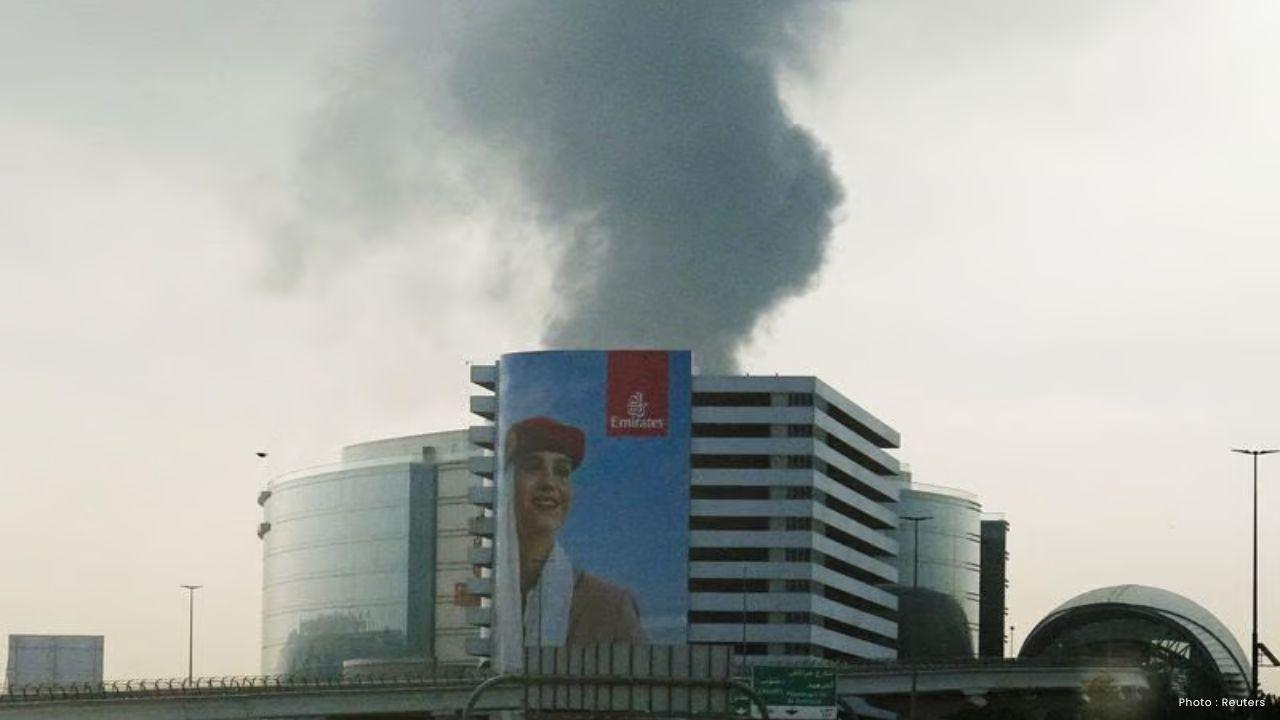
Soon after the strikes, Iran responded with force. Missile and drone attacks hit several Gulf countries, especially those hosting U.S. military presence. These attacks damaged infrastructure and increased fear across the region. The conflict also spread beyond military targets, affecting energy facilities, shipping routes, and even diplomatic zones. This showed how quickly a localized conflict can turn into a wider regional crisis with global impact.
One of the most serious developments was Iran’s move to disrupt the Strait of Hormuz, a narrow but extremely important waterway through which a large share of the world’s oil supply passes. When this route was threatened, global oil prices surged, affecting economies far beyond the Middle East. Countries that depend heavily on oil imports began to feel the pressure almost immediately.
Trump later called on several nations, including China, Japan, and United Kingdom, to help secure the waterway and ensure safe passage for ships. However, many countries were cautious and slow to respond. This hesitation reflects a larger concern among global powers, as they are wary of being drawn into a wider conflict that could become difficult to control.
The revelations about prior warnings have sparked political debate in the United States. Critics argue that if the risks were known, then the decision to strike Iran should have been handled with greater caution and deeper planning. Some lawmakers, after attending intelligence briefings, said they did not see clear evidence of an immediate threat that justified such a large-scale military action. This has led to a deeper question about whether the conflict could have been avoided through diplomacy instead of force.
Another issue troubling observers is the inconsistency in public statements. While Trump expressed surprise at Iran’s retaliation, intelligence sources suggest that such a response was expected. This gap between public messaging and internal assessments can weaken trust, not only among citizens but also among international allies. Strong partnerships depend on clear and reliable communication, especially during times of crisis.
The effects of this conflict are being felt worldwide. Oil prices have risen, shipping routes are under threat, and global markets have become unstable. More importantly, the risk of a larger war has increased as more countries become involved either directly or indirectly. In such a situation, even a small miscalculation can lead to serious consequences.
This situation highlights the importance of careful decision-making in global politics. When leaders are given warnings, those warnings must be taken seriously. Military action may sometimes seem like a quick solution, but it often brings long-term challenges that are much harder to manage. Transparency is also essential. When people later discover that key information was not shared openly, it damages trust and raises doubts about leadership.
The revelation that Trump was warned about possible Iranian retaliation changes how this conflict is understood. It suggests that the risks were known in advance, yet the consequences still unfolded in a damaging way. As tensions continue, the world remains watchful. The choices made in such moments can shape not only the future of the Middle East but also the stability of the global system. In times like these, responsible leadership, honest communication, and a focus on peace become more important than ever.







DAE Achieves Remarkable Growth in Q1 2026 With Record Revenue
Dubai Aerospace Enterprise announces impressive financial results for Q1 2026, reflecting a surge in

Price Increase for Sony PS5 in Southeast Asia Effective May 1
Sony announces a price increase for the PS5 across Southeast Asia starting May 1, 2026, impacting ga

Potential ‘Super El Niño’ in 2026: Understanding the Climate Risks
Could a Super El Niño emerge in 2026? Discover its implications and potential global climate impacts

Global Energy Crisis Intensifies: Markets React to Oil Supply Challenges
Markets are on edge as oil disruptions escalate, influencing prices and economic stability. Explore

Must-See Tourist Spots in London You Can't Overlook
Explore London's essential attractions, from royal landmarks to vibrant markets, ensuring an unforge

Ultimate Guide to Snagging Cheap Flights in 2026
Unlock the secrets to booking affordable flights in 2026 with insightful tips and strategies tailore




