Post by : Monika
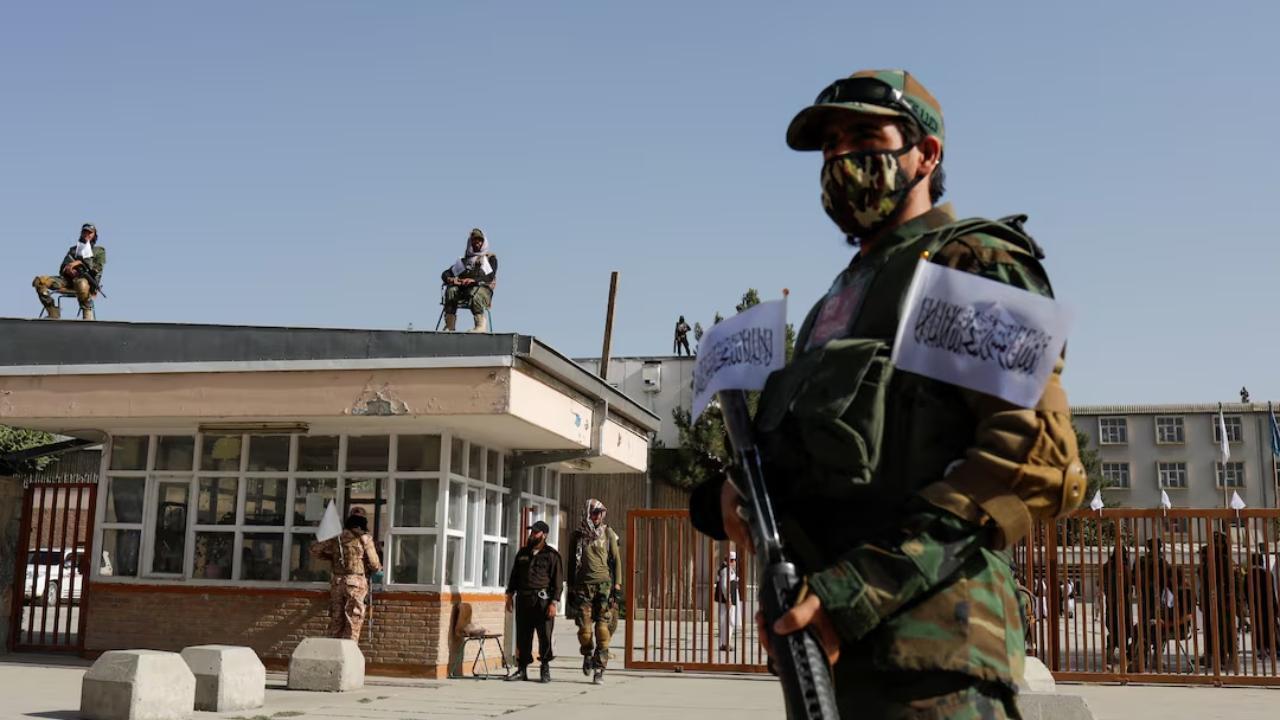
Photo: Reuters
On July 20, 2025, former U.S. President Donald Trump made a public promise to help Afghan people who were stuck in the United Arab Emirates (UAE). These Afghans had escaped from their home country after the Taliban took control of Afghanistan in 2021. They were hoping to get asylum or safe shelter in the United States. But what most people didn’t know was that the UAE had already sent two families back to Afghanistan before Trump’s announcement.
This news came out through an official U.S. government cable, which is a message shared between diplomats. The cable also said that the UAE planned to send 25 more people back to Afghanistan very soon. This raised serious questions about who controls the future of these Afghan evacuees—especially since many fear being sent back to a country where their safety is not guaranteed.
What Happened in the UAE?
After the Taliban returned to power in 2021, thousands of Afghans fled their country, worried about their lives, freedom, and the safety of their families. Many were taken to a place called Emirates Humanitarian City in Abu Dhabi, which is the capital of the UAE. They were promised that they would be safe there until they could be moved to other countries like the United States.
These people were teachers, students, women’s rights workers, journalists, and others who were scared of being punished by the Taliban because of the jobs they had or the things they believed in. For years, many of them waited in small rooms with limited rights, unable to leave the camp or find work.
The UAE had been hosting around 12,000 Afghans in this camp at one point. Most of them were waiting for the U.S. or other Western nations to give them a chance to live safely elsewhere. Some had already been approved to move, but paperwork, delays, and political problems kept many stuck in limbo.
The U.S. Promise vs. The UAE’s Actions
On July 20, Trump said he would help bring Afghan allies of the United States to safety if he is elected president again. He made this statement during a campaign rally and said that America should protect those who helped them in times of war.
However, just hours before Trump made that promise, a U.S. diplomatic cable revealed that the UAE had already deported two Afghan families back to Taliban-controlled Afghanistan. The same document said that UAE officials planned to deport 25 more people soon. It wasn’t clear if the people being deported were seen as “low risk” or if they had been denied entry into the U.S.
This created a conflict between public promises and what was already happening on the ground. Some questioned whether Trump knew about the deportations before he made his speech.
Why Are People Being Sent Back?
The UAE has said it no longer wants to hold people in its camp for so long. Officials there said they believe it is time for those who do not qualify for resettlement to return to Afghanistan. But many human rights groups argue that this is dangerous and unfair.
Some of the deported people were reported to be sent back without clear legal review or even a fair chance to appeal. Groups supporting refugees say that returning Afghans to Taliban control could put their lives at serious risk. Many of these people are afraid they could be arrested, beaten, or worse because of their past roles in helping the United States or supporting human rights.
What Do Human Rights Groups Say?
Organizations that work to protect refugees and immigrants have spoken out strongly. They said no one should be forced to return to a country where their life is in danger. One group called the UAE’s deportations a “violation of human rights.” Another group said it was a mistake for the UAE to send people back before the United States had a chance to fully review their cases.
Lawyers working with Afghan families said they were shocked and heartbroken. They had been helping these families gather documents, attend interviews, and follow the long U.S. immigration process. In some cases, people were deported even though they were still waiting for answers from American immigration authorities.
What Happens Next?
The United States government has not yet commented in detail about the deportations. It is unclear whether officials in Washington were warned ahead of time or whether they were trying to stop the deportations.
Meanwhile, the people still living in the Abu Dhabi refugee camp are scared. They fear they could be next. Some have said they are being pressured to sign papers agreeing to go back to Afghanistan. Others say they are being treated unfairly and ignored.
Lawyers and advocacy groups are calling for urgent help. They are asking the U.S. government to speed up the processing of resettlement cases, protect those still in danger, and stop any future deportations.
Trump’s Role and Political Impact
Trump’s promise to help the Afghan evacuees may have been meant to win support from voters who care about veterans and U.S. allies. During his speech, he said the United States must stand by those who stood by us. But the timing of the UAE’s deportations raises concerns about whether Trump’s words were just campaign talk—or if he really plans to act.
Critics say it’s not enough to make promises during an election rally. They want to see action and real plans to help the people still stuck in dangerous conditions.
Why This Story Matters
These Afghan evacuees left everything behind in hopes of safety. Now, some are being forced back to a country where they fear violence or death.
Final Thoughts
This story highlights the struggles of people who risked their lives to support America, only to find themselves trapped in a foreign land. With no clear answers, no freedom to move, and no safe home, they now depend on the actions of leaders and governments to do what is right.
Their future should not be decided in secret documents or political speeches. It should be based on justice, safety, and humanity.










DAE Achieves Remarkable Growth in Q1 2026 With Record Revenue
Dubai Aerospace Enterprise announces impressive financial results for Q1 2026, reflecting a surge in

Price Increase for Sony PS5 in Southeast Asia Effective May 1
Sony announces a price increase for the PS5 across Southeast Asia starting May 1, 2026, impacting ga

Potential ‘Super El Niño’ in 2026: Understanding the Climate Risks
Could a Super El Niño emerge in 2026? Discover its implications and potential global climate impacts

Global Energy Crisis Intensifies: Markets React to Oil Supply Challenges
Markets are on edge as oil disruptions escalate, influencing prices and economic stability. Explore

Must-See Tourist Spots in London You Can't Overlook
Explore London's essential attractions, from royal landmarks to vibrant markets, ensuring an unforge

Ultimate Guide to Snagging Cheap Flights in 2026
Unlock the secrets to booking affordable flights in 2026 with insightful tips and strategies tailore




