Post by : Saif Nasser
Tensions in the Middle East are growing not only on the battlefield but also among global allies. Recent developments show that Donald Trump has openly criticised several partner countries for refusing to support a U.S.-led mission to secure the Strait of Hormuz during the ongoing conflict involving Iran.
The Strait of Hormuz is one of the most important shipping routes in the world. Around 20 percent of global oil passes through this narrow waterway. Because of its importance, any disruption here quickly affects global energy prices and economic stability.
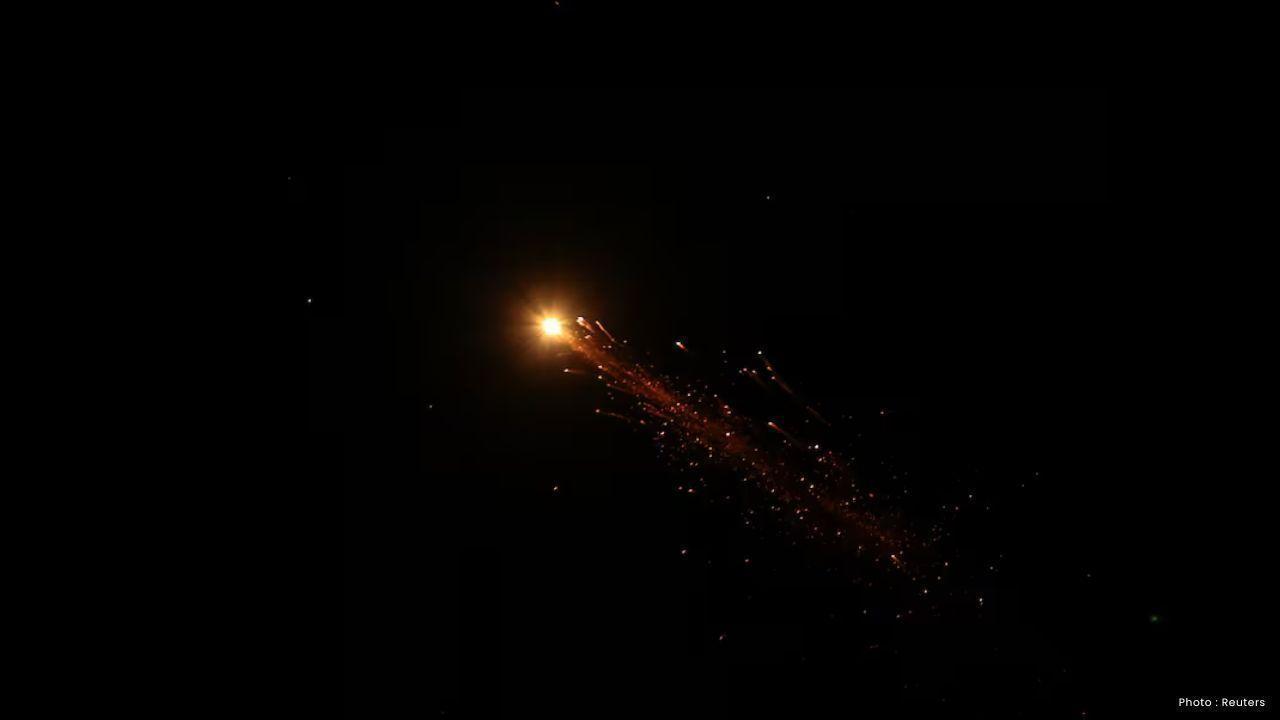
The conflict, which has now entered its third week, has already led to serious disruptions. Iran has used drones, missiles, and naval mines to block or restrict movement through the strait, making it difficult for oil tankers to pass safely. This has increased fears of a global supply crisis and pushed oil prices higher.
In response, Trump called on several countries, including European and Asian allies, to send warships to help escort oil tankers and reopen the route. He argued that countries benefiting from Gulf oil should take responsibility for protecting it. However, many of these nations have refused to take part in the mission.
Countries such as Germany, Spain, and Italy made it clear that they do not plan to send military support. Their leaders expressed concern about being drawn into a wider war and said they want to avoid further escalation.
This refusal has frustrated Trump, who accused some allies of being ungrateful. He suggested that the United States has spent decades protecting global trade routes and that other countries should now share the burden. Reports also indicate that he warned about the future of alliances like NATO if partners do not step forward to help.
The disagreement highlights a growing divide between the United States and its allies. While Washington is pushing for a stronger military response, many countries prefer a more cautious approach. Some are exploring diplomatic solutions instead of direct involvement in the conflict.
At the same time, the situation on the ground continues to worsen. The conflict has expanded beyond Iran and now includes exchanges of airstrikes involving Israel. This has increased the risk of a larger regional war, making countries even more hesitant to join military operations.
The impact of this standoff is already visible in global markets. Oil prices have risen sharply, and shipping routes have become unsafe. Businesses and governments around the world are feeling the pressure as energy costs increase and uncertainty grows.
From an editorial point of view, this situation shows how complex modern alliances have become. In the past, military cooperation among allies was more predictable. Today, each country carefully weighs its own risks before joining any operation.
The reluctance of many allies also raises important questions about leadership and trust. When a major power calls for support but does not receive it, it suggests that there may be deeper disagreements about strategy and goals.
Another key issue is the changing nature of global power. Countries are no longer willing to follow one nation’s lead without clear justification. They want to understand the long-term plan, the risks involved, and the possible outcomes before making decisions.
At the same time, the crisis highlights the importance of the Strait of Hormuz in the global economy. As long as the conflict continues, this route will remain a point of tension. Any further disruption could have serious consequences for energy supply and economic stability worldwide.
In conclusion, Trump’s criticism of allies reflects a larger problem within international relations. While the United States is pushing for collective action, many countries are choosing caution over confrontation. This divide could shape the future of global alliances and influence how countries respond to conflicts in the years ahead.
As the war continues, the world is watching closely. The decisions made now will not only affect the Middle East but also the balance of power and cooperation across the globe.









DAE Achieves Remarkable Growth in Q1 2026 With Record Revenue
Dubai Aerospace Enterprise announces impressive financial results for Q1 2026, reflecting a surge in

Price Increase for Sony PS5 in Southeast Asia Effective May 1
Sony announces a price increase for the PS5 across Southeast Asia starting May 1, 2026, impacting ga

Potential ‘Super El Niño’ in 2026: Understanding the Climate Risks
Could a Super El Niño emerge in 2026? Discover its implications and potential global climate impacts

Global Energy Crisis Intensifies: Markets React to Oil Supply Challenges
Markets are on edge as oil disruptions escalate, influencing prices and economic stability. Explore

Must-See Tourist Spots in London You Can't Overlook
Explore London's essential attractions, from royal landmarks to vibrant markets, ensuring an unforge

Ultimate Guide to Snagging Cheap Flights in 2026
Unlock the secrets to booking affordable flights in 2026 with insightful tips and strategies tailore




