
Post by : Shweta
Oil prices across the globe experienced a notable increase following remarks from Donald Trump, who indicated that the delicate ceasefire between the U.S. and Iran is “on life support.” This statement has heightened concerns about the potential for renewed tensions in the Middle East, prompting swift reactions from financial markets.
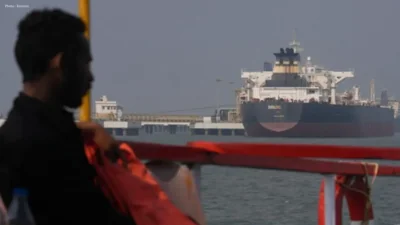
Market analysis showed Brent crude oil prices surged by nearly 3 percent, surpassing $104 per barrel, while U.S. West Texas Intermediate crude also saw significant gains. Experts believe the rise in prices is fueled by fears that ongoing hostilities could jeopardize shipments through the Strait of Hormuz, a crucial global oil transport route.
Trump's comments came after he dismissed Iran's counter-response to a U.S.-backed peace plan, calling it unacceptable. He cautioned that the ceasefire agreement is now uncertain, diminishing hopes for a swift resolution to negotiations with Tehran.
The Strait of Hormuz is critical to global oil supply, with approximately 20% of the world’s oil passing through it. Any military escalation in this region could lead to significant fuel price hikes worldwide, putting additional pressure on economies already facing inflationary challenges.
Energy market analysts observed a downturn in oil markets last week due to optimistic expectations for a ceasefire, which could facilitate trade routes. Nevertheless, Trump's latest remarks have led traders to adopt safer investment strategies, reigniting energy purchases despite previous declines.
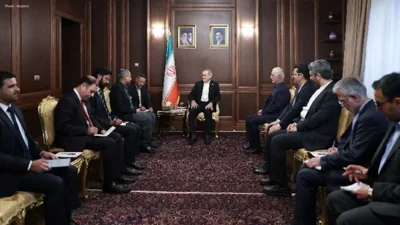
As U.S.-Iran relations remain under close scrutiny, the international community keeps a watchful eye on the stalled diplomatic efforts. Iran seeks sanctions relief and recognition of its demands, while the U.S. maintains pressure on Tehran due to security and military concerns.
Higher oil prices are causing alarm among businesses and shipping sectors, as they can trigger increased shipping and fuel costs, thereby exacerbating global inflationary pressures. Economists have warned that continued turmoil in the region could harm airlines, manufacturing operations, and overall international trade.
Political analysts suggest that upcoming talks between Trump and Chinese President Xi Jinping may impact future developments, as China is a major importer of Iranian oil. The role of Beijing in stabilizing the region's energy markets could prove significant.
Despite the prevailing uncertainty, calls for diplomatic engagement and restraint continue to emerge from various nations aiming to prevent further military escalation in the Middle East. However, as negotiations grow more challenging and oil markets remain volatile, all eyes will be on the survival of the ceasefire in the upcoming days.







Meta Unveils Subscription Plans for Instagram, Facebook, and WhatsApp
Meta introduces new subscription plans for users of Instagram, Facebook, and WhatsApp, featuring enh

Suvarna Joy on Education Leadership, Resilience, and Building Purpose Through Adversity in the UAE
Suvarna Joy shares her journey of education leadership, motherhood, faith, and resilience within the

Anticipated Dates for UAE Eid Al Adha 2026 Unveiled by Astronomical Experts
Experts predict Eid Al Adha 2026 in the UAE to start on May 27, prompting early holiday planning amo

DAE Achieves Remarkable Growth in Q1 2026 With Record Revenue
Dubai Aerospace Enterprise announces impressive financial results for Q1 2026, reflecting a surge in

Price Increase for Sony PS5 in Southeast Asia Effective May 1
Sony announces a price increase for the PS5 across Southeast Asia starting May 1, 2026, impacting ga

Potential ‘Super El Niño’ in 2026: Understanding the Climate Risks
Could a Super El Niño emerge in 2026? Discover its implications and potential global climate impacts




