Post by : Saif Nasser
The ongoing conflict involving the United States, Israel, and Iran has entered a serious and risky phase, with tensions rising around the Strait of Hormuz, one of the world’s most important shipping routes. Recently, U.S. President Donald Trump openly criticised several allied nations after they refused to support his request for help in securing this vital waterway. His comments have highlighted growing divisions among global powers at a time when unity is needed the most.
The Strait of Hormuz is a narrow but extremely important passage located between Iran and Oman. Nearly one-fifth of the world’s oil supply passes through this route every day. Because of this, any disruption in the strait can quickly affect global energy prices and economic stability. Over the past few weeks, tensions have increased after military actions involving the United States and Israel against Iran. In response, Iran has taken steps that have slowed or restricted shipping movement in the area, creating fear across international markets.
As the situation became more dangerous, President Trump called on allied nations to send naval forces to help protect oil tankers and ensure safe passage through the strait. His argument was that many countries depend heavily on oil that flows through this route, so they should share the responsibility of keeping it open and secure. However, this request was not welcomed by many of America’s traditional partners. Several European countries, including Germany, Spain, and Italy, clearly refused to take part in any military effort. Other nations such as France, Japan, and Australia also showed hesitation or declined to join the mission. Even NATO, which has long been seen as a strong military alliance led by the United States, decided not to get involved in this situation.
This response has left the United States largely on its own in dealing with the crisis. President Trump reacted strongly to the lack of support. He expressed disappointment and frustration, pointing out that the United States has spent years supporting its allies through military protection and financial contributions. According to reports, he also warned that this refusal could affect future relationships, including America’s role and commitment within alliances like NATO. At the same time, he sent mixed signals by saying that the United States has enough power to handle the situation alone if necessary.
The hesitation from allied countries is based on several important concerns. Many governments fear that sending military ships into such a tense region could make the situation worse and lead to a larger war. The conflict between Iran and Israel is already ongoing, with both sides carrying out strikes and counter-strikes. Adding more forces into the region could increase the chances of direct confrontation. Another reason is that some countries feel they were not properly consulted before the earlier military actions against Iran took place. Because of this, they do not believe they should be directly involved in dealing with the consequences. There is also a general fear of being pulled into a long and costly conflict that could harm both lives and economies.
The impact of this crisis is already being felt across the world. Oil prices have started rising, and markets are becoming unstable. Countries that depend heavily on imported energy are particularly worried about the long-term effects. If the Strait of Hormuz remains blocked or unsafe, it could lead to supply shortages, higher fuel costs, and increased inflation. These economic pressures could affect ordinary people through higher prices for goods and services.
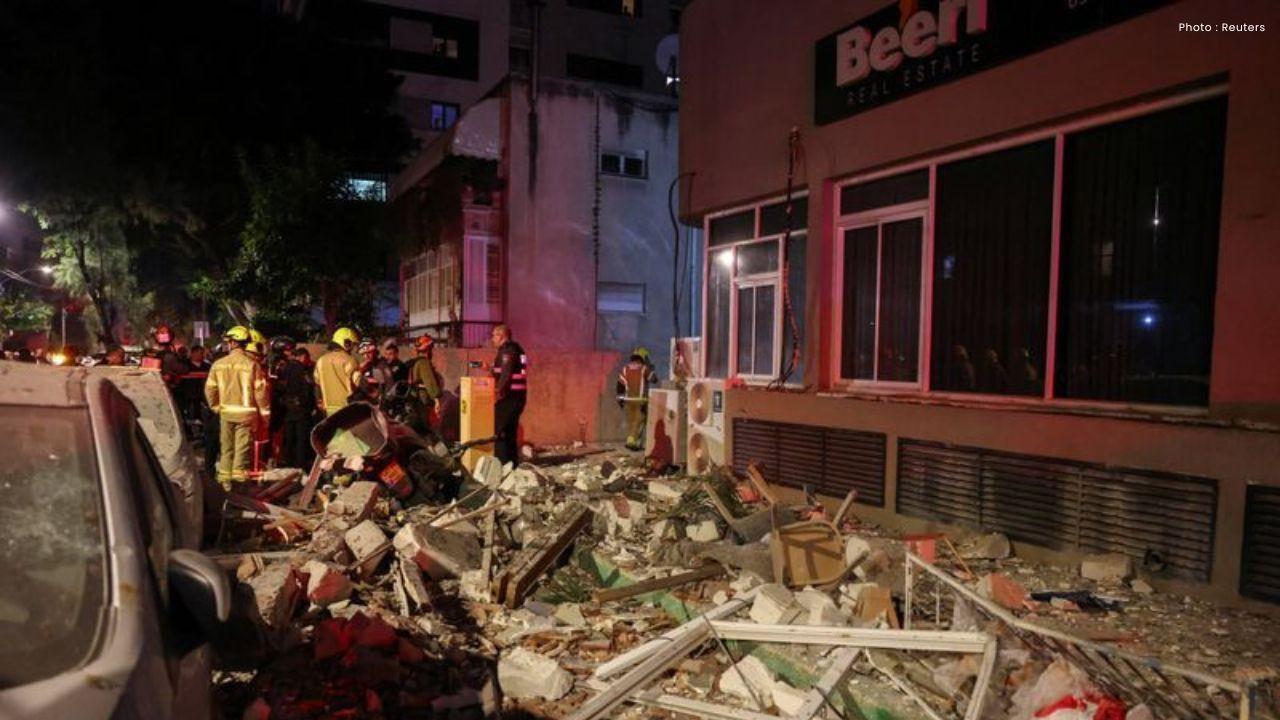
At the same time, the situation also raises serious security concerns. Continued military action between Iran and Israel could lead to further escalation. Civilian lives are at risk, and the possibility of the conflict spreading to other parts of the region cannot be ignored. The lack of a united global response makes it even more difficult to manage the crisis effectively.
This moment serves as a test of international leadership and cooperation. The United States is trying to take the lead, but without strong backing from its allies, its efforts may face limits. On the other hand, many countries are choosing a more cautious approach, focusing on diplomacy rather than military action. This difference in strategy shows a growing divide in how nations respond to global conflicts.
Moving forward, it is clear that military action alone may not be enough to solve the problem. There is a strong need for dialogue, negotiation, and cooperation between countries. International organisations may have to step in to help create safe conditions for shipping and reduce tensions in the region. Stabilising oil markets and protecting global trade routes will also be key priorities in the coming days.
President Trump’s criticism reflects the pressure and frustration of dealing with a fast-changing and dangerous situation. However, the refusal of many allied nations to join the Hormuz mission shows that there is no common agreement on how to handle the crisis. This lack of unity could make it harder to find a quick and effective solution.
The events unfolding around the Strait of Hormuz are not just a regional issue but a global concern. The decisions made now will have long-lasting effects on international relations, economic stability, and global security. Whether countries choose cooperation or continue to act separately will play a major role in shaping the outcome of this crisis.









DAE Achieves Remarkable Growth in Q1 2026 With Record Revenue
Dubai Aerospace Enterprise announces impressive financial results for Q1 2026, reflecting a surge in

Price Increase for Sony PS5 in Southeast Asia Effective May 1
Sony announces a price increase for the PS5 across Southeast Asia starting May 1, 2026, impacting ga

Potential ‘Super El Niño’ in 2026: Understanding the Climate Risks
Could a Super El Niño emerge in 2026? Discover its implications and potential global climate impacts

Global Energy Crisis Intensifies: Markets React to Oil Supply Challenges
Markets are on edge as oil disruptions escalate, influencing prices and economic stability. Explore

Must-See Tourist Spots in London You Can't Overlook
Explore London's essential attractions, from royal landmarks to vibrant markets, ensuring an unforge

Ultimate Guide to Snagging Cheap Flights in 2026
Unlock the secrets to booking affordable flights in 2026 with insightful tips and strategies tailore




