Post by : Anees Nasser
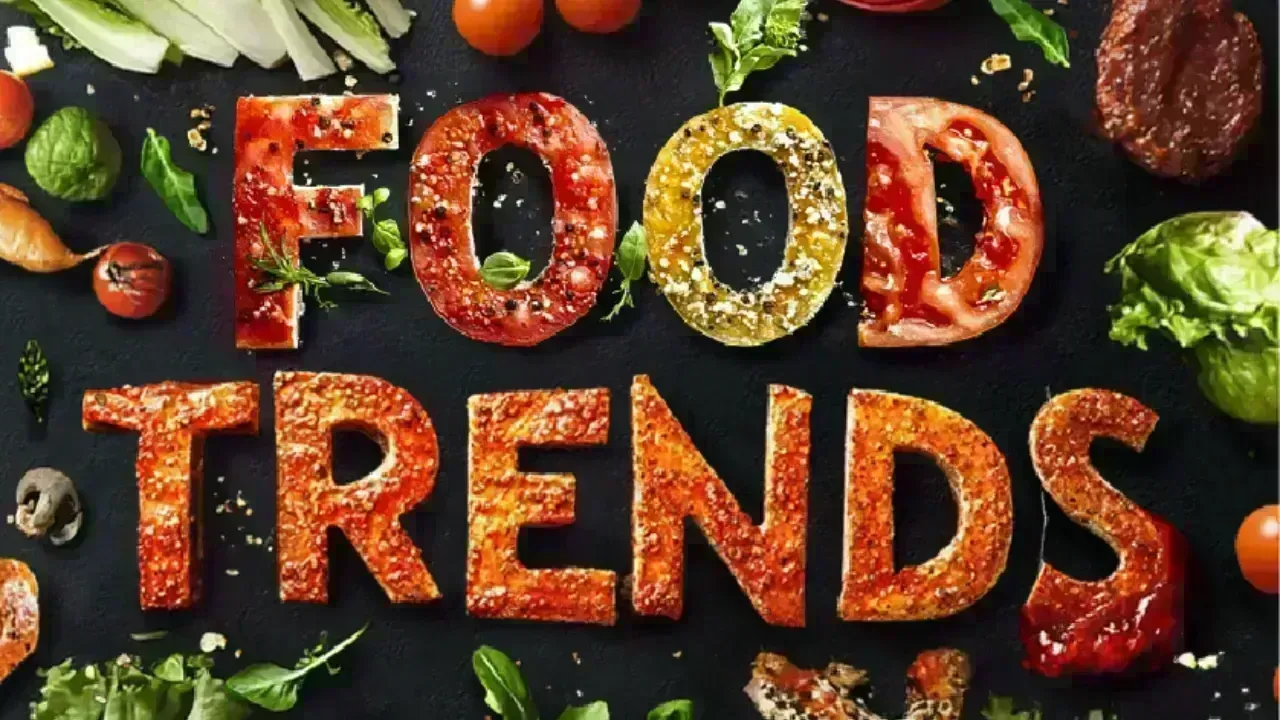
The food landscape of 2026 is not merely characterized by innovation; it mirrors significant changes in societal attitudes toward our environment, health, and cultural practices. Choices made today are influenced by sustainability and nutritional science alongside taste—yielding a food experience that appears familiar yet operates under a fresh paradigm.
This year signifies a shift where dining transcends mere sustenance, transforming into a nuanced expression of individual values, ethics, and longevity. The sourcing and customization of meals reveal a marked departure from pre-pandemic consumption behaviors.
A notable trend in 2026 is the emergence of food aimed at providing specific health benefits. Meals are scrutinized not just for their flavor but for their tangible impacts on well-being.
Functional eating has gained pervasive acceptance, with consumers now expecting that their food will promote better health outcomes like immunity support, enhanced focus, and stress management. Food labels highlight benefits instead of just ingredients, and menu descriptions focus on health outcomes.
This evolution stems from an increasing skepticism surrounding conventional healthcare, prompting individuals to prioritise preventive measures through nutrition.
In 2026, one-size-fits-all dietary suggestions are losing their significance. Individual needs take precedence, and consumers are tailoring their diets according to unique data about their lifestyle, metabolism, and dietary preferences.
Even without advanced analysis, people are gravitating towards food options that feel right for them rather than adhering strictly to traditional guidelines.
This trend signals a decline in rigid dieting and a rise in adaptable eating habits formed through personal intuition and data insights.
Alternative protein sources have begun to forge their identity rather than simply imitate animal proteins. In 2026, these ingredients are complementing traditional recipes instead of replacing them.
With a focus on texture, nutrition, and sustainability, many consumers prioritize what food provides over what it substitutes.
This trend is particularly evident among urban households, where economic fluctuation and ecological concerns guide food choices.
Sustainable eating transcends marketing buzzwords; it has become ingrained in daily life. In 2026, many are making food selections based on environmental footprints—considering factors like water usage and supply chain clarity.
Consumers are increasingly opting for local, seasonal selections as they recognize that reduced supply chains lead to enhanced reliability and transparency.
Global accessibility to food has set the bar for constant availability, which is gradually shifting. Micro-seasonal eating—consuming what’s fresh and available now—is becoming more popular.
Adapting menus based on local harvests emphasizes nature's timeline, treating availability as an enriching experience instead of a restriction.
Strict dietary labels are fading as people embrace hybrid eating habits. Households may alternate meals that are plant-based during weekdays and comforting on weekends, reflecting adaptability to various life situations.
This approach prioritizes flexibility over rigidity, making long-term dietary adherence more achievable.
In a world where stress is pervasive, comfort food is evolving rather than disappearing. Traditional favorite dishes are being lighter and more refined without losing their emotional significance.
New interpretations of comfort food focus on aroma and texture as much as on nutrition, changing the narrative around indulgence.
As consumers grow increasingly aware of food processing, ultra-processed items face growing scrutiny—not because they're convenient, but due to lack of transparency.
People are rejecting products with unrecognizable ingredients. A return to simplicity enhances consumer trust.
In contrast to a fast-paced lifestyle, slow food practices are gaining traction. Fermented foods and long-fermentation breads are celebrated for their health benefits and flavor.
Such methods tie into wellness goals while minimizing food waste, proving to be both innovative and traditional.
In 2026, food discovery occurs both online and off. Visual content sets new standards for presentation and flavor.
While trends spread swiftly, they also dissipate easily, highlighting a demand for food that readily fits into our lives.
Conversations around food are evolving to focus less on guilt and more on context-based choices influenced by health, mood, and energy.
This cultural shift has enriched relationships with food, particularly for younger generations who prioritize balance over strict regulations.
Though food continues to signify identity, the performance aspect is decreasing. Individuals care less about showcasing their dietary habits.
A commitment to quieter, consistent eating seems to promote honesty and minimizes extremes in food choices.
In 2026, economic factors influence food decisions—consumers value versatility over sheer quantity.
Multi-use ingredients are favored, with waste reduction reflecting practicality rather than enforced discipline.
Understanding food has become paramount for many. Culinary education, ingredient knowledge, and nutritional basics are rising in alignment with cultural needs.
Knowledge empowers those in the kitchen, making food preparation less daunting.
Trends of 2026 echo a significant message: our approach to eating is becoming increasingly mindful.
Rather than seeking flawlessness, people chase harmony between health, ethics, environment, and enjoyment.
Eating is no longer merely about nutrition or pleasure; it’s a conscious choice that reflects awareness and intent.
These trends are not ephemeral but reveal fundamental changes in society's relationship with food.
As climate challenges mount, technology evolves, and health consciousness grows, our eating habits will keep transforming. The profound change lies not in what we consume but in how thoughtfully we approach our meals in 2026—creating a quieter, smarter, and personalized dining experience.
Disclaimer:
This article is meant for informational purposes and should not replace professional dietary advice. Individual nutritional needs may differ, and readers should consult experts for personalized guidance.










DAE Achieves Remarkable Growth in Q1 2026 With Record Revenue
Dubai Aerospace Enterprise announces impressive financial results for Q1 2026, reflecting a surge in

Price Increase for Sony PS5 in Southeast Asia Effective May 1
Sony announces a price increase for the PS5 across Southeast Asia starting May 1, 2026, impacting ga

Potential ‘Super El Niño’ in 2026: Understanding the Climate Risks
Could a Super El Niño emerge in 2026? Discover its implications and potential global climate impacts

Global Energy Crisis Intensifies: Markets React to Oil Supply Challenges
Markets are on edge as oil disruptions escalate, influencing prices and economic stability. Explore

Must-See Tourist Spots in London You Can't Overlook
Explore London's essential attractions, from royal landmarks to vibrant markets, ensuring an unforge

Ultimate Guide to Snagging Cheap Flights in 2026
Unlock the secrets to booking affordable flights in 2026 with insightful tips and strategies tailore




