Post by : Anees Nasser
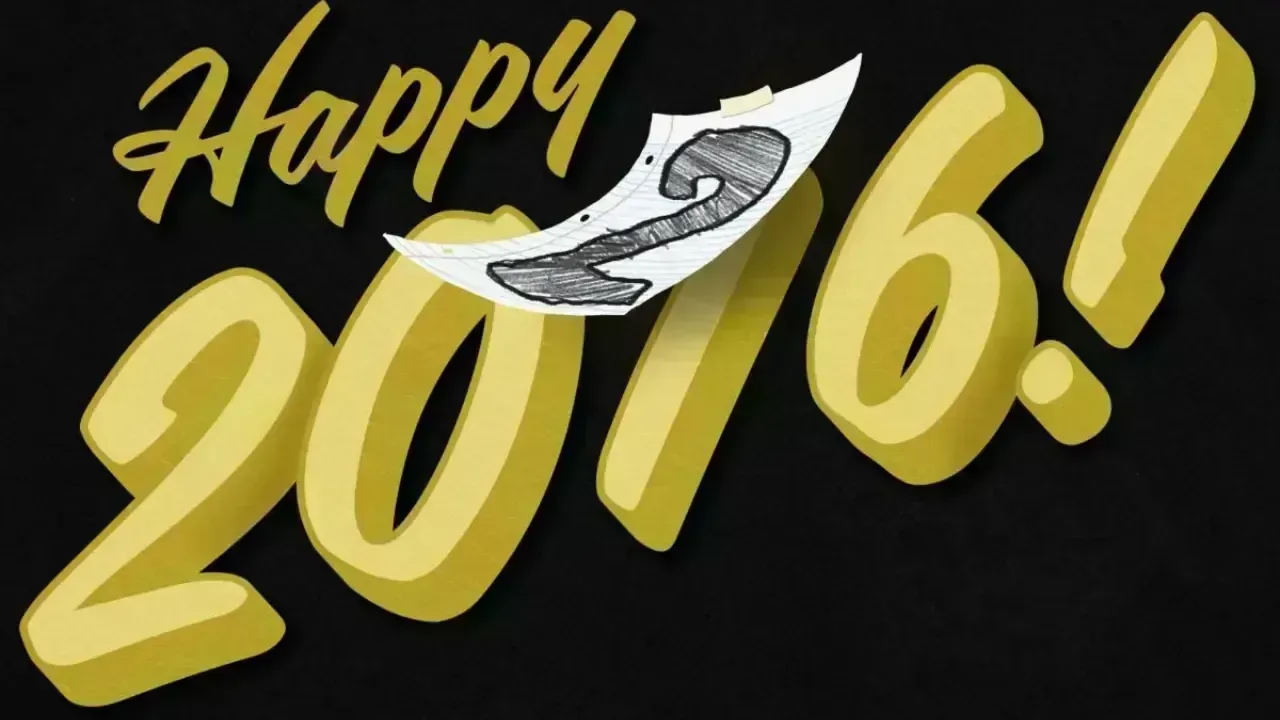
In 2026, social media is buzzing with a familiar phrase: “2026 feels exactly like 2016.” This sentiment permeates through memes, music playlists, and vibrant discussions online. For many, the year 2016 symbolizes a cultural apex—a period when online interactions were spirited, global crises seemed out of reach, and digital engagement was a source of joy.
The phrase 2026 is the new 2016 is more than just a viral expression; it encapsulates a deep-seated cultural trend fueled by nostalgia, emotional fatigue, and a yearning for a seemingly simpler time. Understanding this resurgence requires an investigation into what made 2016 so impactful emotionally and why 2026 is striking a similar chord.
For many, 2016 stands out as the final chapter of the carefree internet. Social media platforms felt less commercialized, algorithms appeared less intrusive, and users experienced a sense of spontaneity in their interactions. Apps served as playgrounds, not stages.
This was when platforms like Vine boomed on genuine humor, free of commercialization. Instagram's feeds were accessible, chronological, and personal—contrasting sharply with today’s highly optimized digital interactions.
Culturally, 2016 was a year of unity. Music, games, and viral content transcended boundaries and were enjoyed collectively.
Pokémon Go transformed public areas into communal spaces.
Pop music hit charts globally, uniting listeners.
Memes fostered participation rather than division.
This collective joy served as an emotional anchor for many, fostering reflections on more blissful moments.
Nostalgia often peaks during late adolescence and early adulthood. For younger Millennials and Gen Z, 2016 coincided with crucial life stages: educational milestones, first jobs, and the exploration of independence.
As 2026 unfolds, this generation grapples with economic upheaval and digital fatigue, turning instinctively towards the comfort of memories associated with optimism.
The years spanning 2020 to 2024 brought tremendous upheaval through pandemics and economic strife. Psychologists identify nostalgia as a natural response following prolonged stress. Moving into 2026, society is experiencing an emotional buoyancy, looking back to simpler times for support, creating immediate correlations with 2016.
Digital platforms thrive on emotional content, where nostalgia draws remarkable engagement. Popularity on apps like TikTok and Instagram featuring:
2016-themed edits
Remixes of older songs
Throwback memes reimagined with modern captions
Filters mimicking early smartphone aesthetics
As these posts thrive, algorithms amplify them, fabricating a narrative that everyone shares the same nostalgic sentiments, reinforcing the trend.
For many engaging with 2016 nostalgia, the era represents myth rather than memory. Those who were children at the time experience a curated version of history, stripped of its complexities, rendering it purely positive.
Streaming platforms showcase a remarkable return to tracks from 2014 to 2017, as playlists labeled 2016 energy or summer 2016 reign supreme on Spotify.
Songs from this period recall:
A time of fewer crises
A social life untainted by the pandemic
Openness in emotional expression
Reduced online hostility
As these melodies resurface, they offer not just pleasant sound but also feelings of safety.
In 2026, many artists are deliberately incorporating elements from mid-2010s pop, creating a loop in which present music echoes the sounds of 2016, amplifying the feeling of returning to a cherished time.
In 2026, fashion trends reflect those of 2016, showcasing:
Oversized hoodies
Sneakers gaining preference over statement shoes
Minimalist makeup
Casual styles recalling unfiltered photos
This trend rejects the idea of hyper-curated luxury, striving instead for authenticity.
The visual chaos of the early 2020s, characterized by bold colors and heavily filtered images, now contrasts sharply with the soothing aesthetics of 2016 nostalgia as people seek relief from visual overstimulation.
2016 memes thrived on quirky humor and lightness. Now, as meme culture evolves, fatigue has set in over politically charged jokes, giving way to a revival of surreal, unfiltered content reminiscent of 2016.
Today's trend prioritizes emotion over significance; content's impact is more about its feelings than its messages, aligning with nostalgia-driven engagement.
Although emotional echoes persist, the actual conditions are substantially altered:
Platforms are heavily commercialized
Attention spans have shortened
Global instability has increased
Digital surveillance is pervasive
While the emotional landscape appears similar, the structural realities diverge.
The idea that 2026 is the new 2016 acts not as a factual statement but as a coping mechanism, helping to reframe current challenges into narratives of hope.
In 2026, marketing campaigns increasingly tug at the heartstrings of mid-2010s sentiments with retro designs and nostalgic references. Companies leverage nostalgia to enhance emotional connection and boost spending.
Balancing comfort with innovation is crucial; as nostalgia takes center stage, the risk of stagnation looms. Historical patterns indicate that rampant nostalgia could provoke a cultural recession.
The enthusiasm for this trend signals widespread fatigue; it’s not nostalgia for perfection but for manageability. The sentiment encapsulates a desire for connectivity and less pressure.
Rather than a simple regression, the nostalgia wave may signify a transitional phase—a moment before fresh ideas and cultural evolution take hold.
“2026 is the new 2016” serves not to revive past glories but to navigate current realities. This trend encapsulates the convergence of emotional memory, generational identity, and the weariness of digital life.
Whether it ultimately fades or endures, the trend reveals a collective search for genuine joy, deeper connections, and meaningful simplicity.
Disclaimer:
This piece examines cultural trends through digital behavior lenses, with interpretations subject to change with evolving platforms and global realities.




DAE Achieves Remarkable Growth in Q1 2026 With Record Revenue
Dubai Aerospace Enterprise announces impressive financial results for Q1 2026, reflecting a surge in

Price Increase for Sony PS5 in Southeast Asia Effective May 1
Sony announces a price increase for the PS5 across Southeast Asia starting May 1, 2026, impacting ga

Potential ‘Super El Niño’ in 2026: Understanding the Climate Risks
Could a Super El Niño emerge in 2026? Discover its implications and potential global climate impacts

Global Energy Crisis Intensifies: Markets React to Oil Supply Challenges
Markets are on edge as oil disruptions escalate, influencing prices and economic stability. Explore

Must-See Tourist Spots in London You Can't Overlook
Explore London's essential attractions, from royal landmarks to vibrant markets, ensuring an unforge

Ultimate Guide to Snagging Cheap Flights in 2026
Unlock the secrets to booking affordable flights in 2026 with insightful tips and strategies tailore




