Post by : Anees Nasser
The global transition towards sustainable energy is actively taking shape, no longer just a concept for the future. Electric vehicles have now transitioned from niche products to mainstream consumer choices. Transformations in battery technology are significant, enhancing everything from electric vehicles to residential energy solutions, alongside the accelerating growth of solar and wind energy.
As we enter 2025, an unprecedented symphony of these three areas is forming. The confluence of increased EV adoption, battery advancements, and renewable energy growth is reshaping the landscape of transport, energy production, manufacturing, and domestic power consumption.
This convergence indicates a substantial shift away from fossil-fuel reliance towards a more electrified, decentralised, and sustainable energy framework.
Record sales of electric vehicles continue in 2025. Consumers are drawn to EVs owing to:
decreased vehicle costs
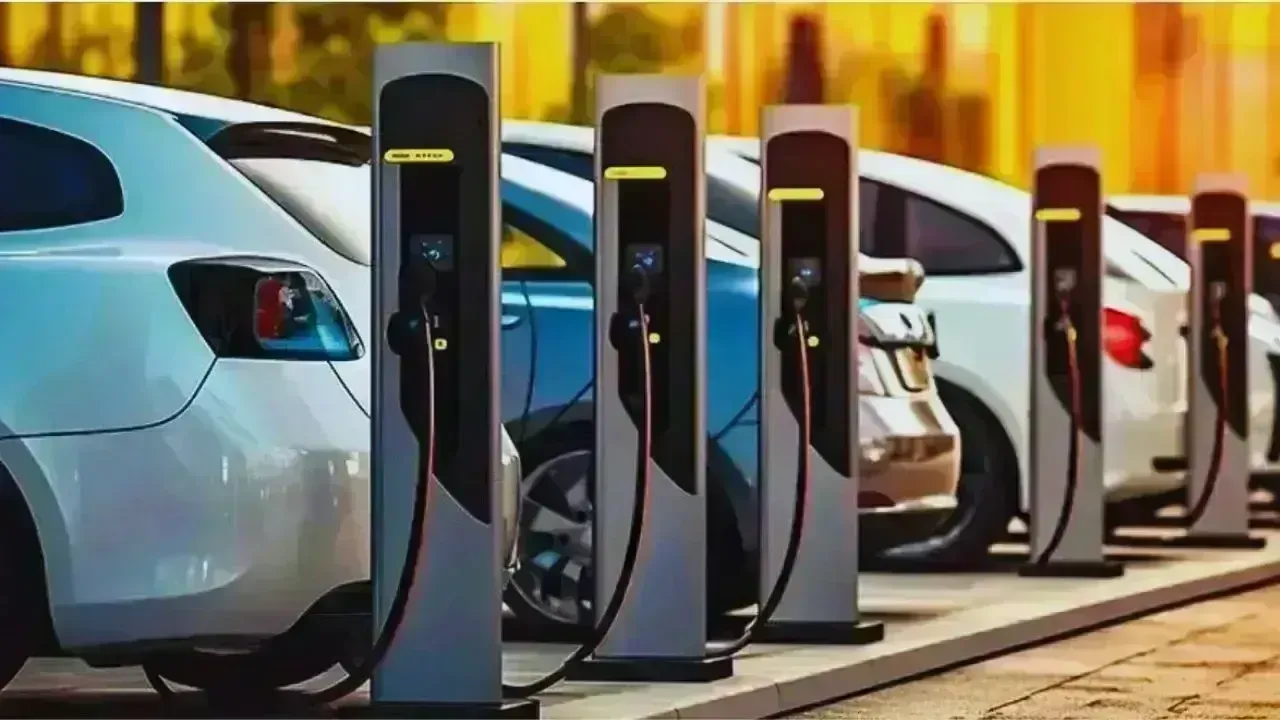
expanded charging infrastructure
government incentives boosting access
rising fuel prices
growing environmental consciousness
EVs are now accessible across various market segments, including compact cars, SUVs, and delivery vehicles, gaining traction among average consumers.
Electric vehicles have evolved beyond mere transportation. They are becoming integral to smart energy ecosystems, as they:
store renewable energy
return electricity to homes or the grid
balance energy demands during peak times
These features transform EVs into dynamic storage solutions, aiding in the growth of renewable energy and boosting grid resilience.
Transportation companies are transitioning to electric vehicles due to reduced operational expenses, prompting advancements in infrastructure and increasing the need for reliable charging stations.
2025 is characterized by significant advancements in battery technology, including:
solid-state battery technology
sodium-ion battery innovations
the use of silicon anodes
ultra-fast charging solutions
These breakthroughs promise longer driving ranges, enhanced safety, quicker charging times, and lower manufacturing expenses.
By substituting liquid electrolytes with solid materials, solid-state batteries offer:
lower fire hazards
improved energy density
extended lifespans
Although still in early production stages, solid-state batteries are starting to appear in high-end electric vehicles, with potential to reshape consumer expectations.
Sodium-ion batteries are emerging as an economical alternative to lithium-based options. While they have lower energy density, their advantages include:
lower material costs
superior performance in colder climates
less reliance on essential minerals
They represent a smart choice for grid-level storage and budget-conscious electric vehicles.
In 2025, the proliferation of solar and wind energy installations is remarkable, driven by decreasing costs of equipment, government support, and heightened investment interest, making renewables the quickest-growing global energy sources.
Greening the grids is crucial for supporting electric vehicles; relying on fossil fuel-generated electricity inhibits environmental benefits, while cleaner grids enhance the sustainability of EVs.
Despite rapid growth, the intermittent nature of renewable energy supply presents challenges, underscoring the importance of battery storage. The alliance between renewables and next-gen batteries is essential for large-scale clean energy solutions.
More households and businesses are integrating rooftop solar with home battery systems to achieve:
energy self-sufficiency
lower energy costs
sustainable EV charging options
This decentralized approach is foundational for future energy frameworks.
Vehicles equipped with bidirectional charging connect to energy grids, allowing them to:
charge during periods of abundant renewable energy
provide power back during shortages
support stabilization of local energy grids
This capability repositions EVs as critical assets within the grid rather than merely consumers of energy.
Advanced batteries are vital for storing surplus renewable energy produced during sunny or windy periods, enabling its use during high-demand times or lower production cycles.
The deployment of more battery storage boosts the integration of renewable sources—creating a self-reinforcing loop of clean energy expansion.
Smart chargers assess energy requirements, electricity costs, and renewable resource availability, optimally timing EV charging to ease pressure on energy systems.
Leading manufacturers are establishing gigafactories to secure battery resources and minimize reliance on outsourced suppliers, facilitating cost control and consistent product availability.
Utilities now regard EV charging as a new demand area, prompting investments in grid upgrades, renewable resources, and smart metering solutions.
Technology companies are seizing the opportunity in battery storage and renewable integration, launching:
energy management platforms
next-generation charging solutions
AI-enhanced grid management systems
This fusion of sectors stimulates innovation and redefines industry standards.
Electric vehicle users enjoy substantial savings in fuel and maintenance, particularly as cleaner energy becomes more affordable in the long run.
Consumers are increasingly adopting home battery systems for not only backup power but also:
storing solar energy
lowering energy costs
efficiently charging EVs
These systems ensure households remain resilient during power outages.
Lower fossil fuel usage leads to reduced air pollution. Cleaner city atmospheres result in:
better respiratory health outcomes
decreased health care expenses
enhanced public spaces
Battery production demands materials like lithium, nickel, and cobalt. Supply disruptions and geopolitical instability are straining global supply chains.
Many developing nations face challenges with limited charging facilities, hindering EV adoption despite surging consumer interest.
Without enhanced coordination and upgrades, widespread EV charging may overwhelm local grids, leading to outages.
Although prices are decreasing, electric vehicles and battery systems are still costly in some markets, necessitating ongoing government support.
Emerging battery technologies will lower production costs, enhancing the availability of electric vehicles across diverse budgets.
Electric vehicles will increasingly communicate with:
homes
offices
smart energy grids
renewable energy sites
This evolution will transform energy management paradigms.
Widespread battery storage solutions will be commonplace in cities and industries, facilitating deeper renewable energy integration.
Innovations in hydrogen fuel technology will enhance battery systems, specifically benefiting heavy freight and industrial sectors.
Electric vehicles, battery advancements, and renewable energy systems are converging, indicating a transformative era in 2025. This powerful technology triad is set to change mobility, power generation, industrial processes, and daily living experiences.
The synergy among these sectors fuels the transition to clean energy, reduces carbon footprints, and enhances affordability, positioning society for a sustainable and resilient future. Although challenges like supply and infrastructure obstacles persist, momentum towards smarter, cleaner, and more interconnected energy solutions is unmistakable.
Today’s innovations will shape our energy and living standards for generations to come.
This article intends to provide information. Trends, technologies, and market dynamics may vary across regions and are liable to change due to policies, innovations, and economic changes.










Anticipated Dates for UAE Eid Al Adha 2026 Unveiled by Astronomical Experts
Experts predict Eid Al Adha 2026 in the UAE to start on May 27, prompting early holiday planning amo

DAE Achieves Remarkable Growth in Q1 2026 With Record Revenue
Dubai Aerospace Enterprise announces impressive financial results for Q1 2026, reflecting a surge in

Price Increase for Sony PS5 in Southeast Asia Effective May 1
Sony announces a price increase for the PS5 across Southeast Asia starting May 1, 2026, impacting ga

Potential ‘Super El Niño’ in 2026: Understanding the Climate Risks
Could a Super El Niño emerge in 2026? Discover its implications and potential global climate impacts

Global Energy Crisis Intensifies: Markets React to Oil Supply Challenges
Markets are on edge as oil disruptions escalate, influencing prices and economic stability. Explore

Must-See Tourist Spots in London You Can't Overlook
Explore London's essential attractions, from royal landmarks to vibrant markets, ensuring an unforge




