Post by : Vansh
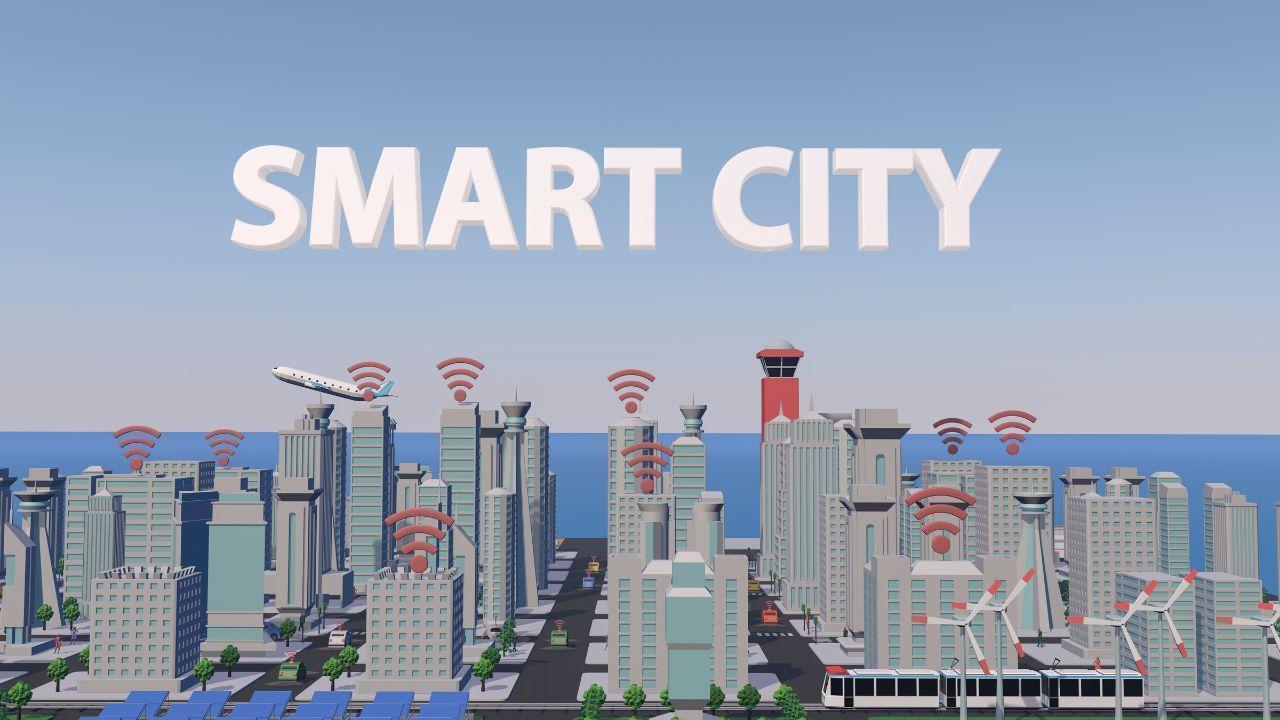
In an era where technology intersects with every aspect of our daily lives, the concept of tech-powered cities has moved from science fiction to reality. These intelligent urban spaces are revolutionizing how cities function, making them more efficient, sustainable, and livable. From smart traffic systems to AI-driven energy grids, the transformation is underway—and it's only the beginning.
The core of a tech-powered city lies in its ability to integrate digital technology into traditional urban infrastructure. This means cities are embedding sensors, cameras, and data-processing units into roads, buildings, and even public furniture. These systems collect real-time data, which is then used to make informed decisions that improve city operations and services.
Urban intelligence is built on a trio of technologies: the Internet of Things (IoT), Artificial Intelligence (AI), and Big Data. Together, they create a networked environment where everything from streetlights to water systems is connected and responsive.
The impact of these technologies is most visible in everyday experiences. Smart traffic lights reduce congestion by adapting to real-time traffic flow. Waste bins signal when they’re full, optimizing garbage collection. Public transport systems use predictive analytics to reduce wait times and improve reliability.
Additionally, urban intelligence allows cities to respond faster to emergencies. For instance, integrated surveillance systems can detect crimes or accidents and alert authorities instantly, enhancing safety and reducing response times.
One of the driving forces behind tech-powered cities is sustainability. As urban populations grow, so does the strain on resources. Smart technology helps monitor and reduce energy consumption, manage water resources, and lower emissions.
For example, smart grids automatically balance electricity supply and demand, while AI-powered HVAC systems in buildings adjust temperatures based on usage and weather forecasts. Smart irrigation systems ensure that public gardens and parks use water efficiently, only activating when moisture levels are low.
These innovations not only protect the environment but also save money and resources in the long run.
Tech-powered cities are also engines of economic development. By attracting tech companies, startups, and investors, these cities become hubs of innovation. High-speed internet, co-working spaces, and data-driven governance foster an environment where businesses can thrive.
Digital platforms make public services more accessible. Whether it's applying for permits online, booking transport via apps, or accessing real-time pollution data, residents are empowered with convenience and transparency.
This innovation loop—where smart infrastructure attracts talent, which in turn fuels more innovation—is a key element in the evolution of urban intelligence.
Despite the promise of smart cities, several challenges remain. Data privacy is a major concern. With thousands of sensors collecting real-time data, there’s a risk of surveillance overreach. It’s essential for cities to enforce strong privacy laws and ethical AI practices to gain citizens’ trust.
Another challenge is the digital divide. Not everyone has equal access to technology. If smart city initiatives do not include marginalized communities, they risk deepening social inequalities.
Additionally, transitioning to tech-powered cities requires significant investment, political will, and inter-departmental coordination. Poor planning or lack of technical expertise can result in fragmented systems that do not work cohesively.
Several cities around the world are already showcasing what smart urban living looks like.
Singapore is a global leader, using data-driven systems for everything from traffic management to eldercare. Its Smart Nation initiative integrates tech into daily life seamlessly.
Barcelona has deployed IoT sensors for waste management, street lighting, and air quality monitoring, improving both sustainability and quality of life.
Dubai is embracing urban intelligence through blockchain integration, AI-powered policing, and autonomous public transport, aiming to become the smartest city in the world by 2030.
These examples illustrate how diverse and adaptable smart city models can be, depending on local needs, budgets, and cultural contexts.
As we move deeper into the digital age, the role of tech-powered cities will only expand. We can expect cities to become even more self-aware, capable of learning from past data to predict and prevent future issues—from traffic congestion to public health crises.
Emerging technologies like quantum computing, 6G connectivity, and edge computing will further enhance urban intelligence, making cities more adaptive, efficient, and human-centered. Cities may eventually become ecosystems that not only respond to our needs but anticipate them.
Imagine a city where your commute is automatically optimized, energy usage is personalized, and public spaces adapt in real-time to population density and weather—all through intelligent automation.
The information provided in this article is for general awareness and educational purposes only. While every effort has been made to ensure accuracy, readers are encouraged to verify facts independently and consult official sources where necessary. The views expressed do not necessarily reflect those of the publication. This content has been published in association with MiddleEastBulletin news network.










DAE Achieves Remarkable Growth in Q1 2026 With Record Revenue
Dubai Aerospace Enterprise announces impressive financial results for Q1 2026, reflecting a surge in

Price Increase for Sony PS5 in Southeast Asia Effective May 1
Sony announces a price increase for the PS5 across Southeast Asia starting May 1, 2026, impacting ga

Potential ‘Super El Niño’ in 2026: Understanding the Climate Risks
Could a Super El Niño emerge in 2026? Discover its implications and potential global climate impacts

Global Energy Crisis Intensifies: Markets React to Oil Supply Challenges
Markets are on edge as oil disruptions escalate, influencing prices and economic stability. Explore

Must-See Tourist Spots in London You Can't Overlook
Explore London's essential attractions, from royal landmarks to vibrant markets, ensuring an unforge

Ultimate Guide to Snagging Cheap Flights in 2026
Unlock the secrets to booking affordable flights in 2026 with insightful tips and strategies tailore




