Post by : Bianca Suleiman
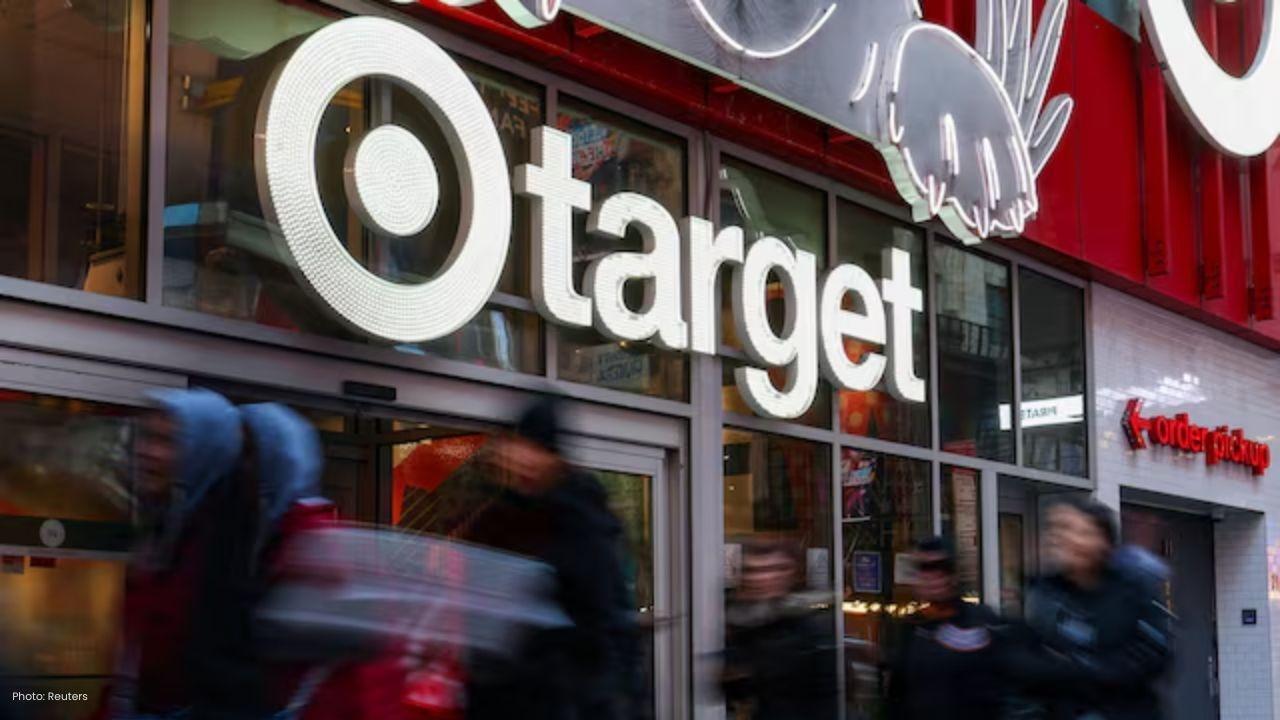
The Minneapolis retail powerhouse, Target, has reported a significant drop in its profits for the third quarter, highlighting the increasing pressure from high inflation and cautious consumer spending. The company's earnings for the period ending November 1 fell to $689 million, a 19% decrease from last year's $854 million, as it navigates a turbulent marketplace.
Sales also dipped by 1.5%, reaching $25.27 billion, slightly under the expectations of analysts. Comparable sales, which measure existing stores and online performance, declined by 2.7%, marking the third consecutive quarter of downturn. While essential categories like food and beverages witnessed growth, discretionary items such as clothing and home decor continue to struggle as consumers redirect their budgets toward necessities.
Strategic Initiatives to Rekindle Consumer Engagement
In response to the declining trend, Target is initiating bold measures to regain shopper interest. The retailer plans to invest an extra $1 billion next year on store renovations and expansions, pushing the total investment to $5 billion. In addition, it has reduced prices on thousands of food and household items and launched more than 20,000 new products, which is double last year's introduction rate.
In a cost-cutting move, Target has also eliminated about 1,800 corporate positions, amounting to roughly 8% of its headquarters staff, aiming to enhance decision-making efficiency and accelerate efforts to boost customer engagement.
Facing Economic Pressures Beyond Inflation
Target is grappling with challenges that extend beyond changing shopping habits. Public boycotts linked to policy changes in diversity and inclusion, coupled with ongoing economic issues—such as the potential impacts of a federal shutdown, tariffs, and labor shortages—are further complicating matters.
Shifts in consumer behavior are evident even during festive occasions. For Halloween, for example, consumers favored purchasing candy and costumes over decorations. Experts predict this trend will carry into the winter holidays, with shoppers prioritizing practical gifts over decorative items.
Incoming CEO, Michael Fiddelke, assumes his role in February with the pressing challenge of rejuvenating sales and re-establishing Target as a destination for stylish yet affordable merchandise. The company forecasts low single-digit declines in comparable sales for the fourth quarter, with full-year earnings per share now expected to fall between $7 and $8, down from a previous estimate of $7 to $9.
Additionally, Target is embracing technological advancements, collaborating with OpenAI to enable shoppers to explore Target’s offerings via ChatGPT, seamlessly directing purchases to the Target app and enhancing both digital and in-store shopping experiences.










DAE Achieves Remarkable Growth in Q1 2026 With Record Revenue
Dubai Aerospace Enterprise announces impressive financial results for Q1 2026, reflecting a surge in

Price Increase for Sony PS5 in Southeast Asia Effective May 1
Sony announces a price increase for the PS5 across Southeast Asia starting May 1, 2026, impacting ga

Potential ‘Super El Niño’ in 2026: Understanding the Climate Risks
Could a Super El Niño emerge in 2026? Discover its implications and potential global climate impacts

Global Energy Crisis Intensifies: Markets React to Oil Supply Challenges
Markets are on edge as oil disruptions escalate, influencing prices and economic stability. Explore

Must-See Tourist Spots in London You Can't Overlook
Explore London's essential attractions, from royal landmarks to vibrant markets, ensuring an unforge

Ultimate Guide to Snagging Cheap Flights in 2026
Unlock the secrets to booking affordable flights in 2026 with insightful tips and strategies tailore




