Post by : Priya
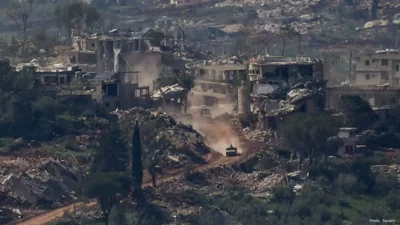
Photo:Reuters
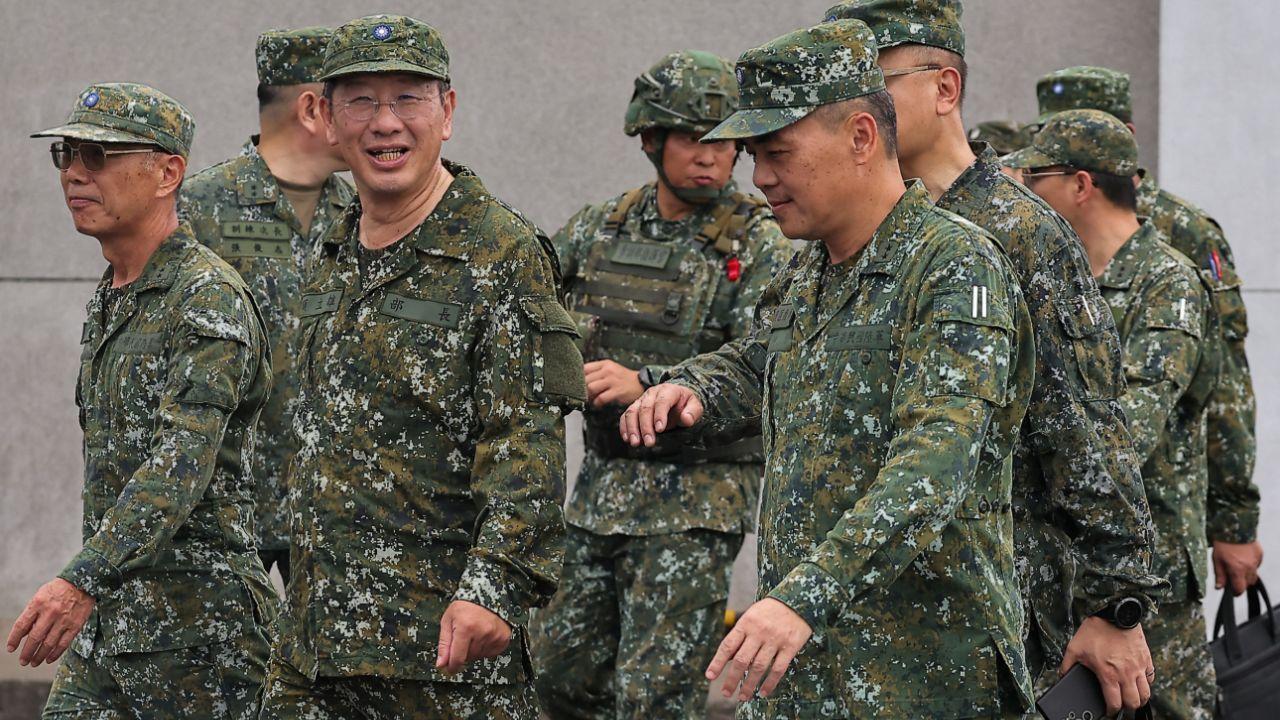
In a time of rising tension across the Taiwan Strait, Taiwan has taken a clear and firm step to protect its sovereignty. The self-governed island has launched a full-scale military exercise, one of its largest in recent years, aimed at preparing its armed forces for any potential threat from China. As cross-strait relations continue to worsen, these drills reflect Taiwan’s readiness to defend its territory and way of life.
This editorial takes a deep and clear look at the reasons behind Taiwan’s decision, the details of the military operation, China's response, and how the world is reacting to this growing regional challenge. It is written in plain and straightforward English to ensure that readers from all backgrounds can understand the issue and its importance.
Taiwan's Strategic Move
Taiwan's Ministry of National Defense officially began its annual "Han Kuang" military drills on July 9. These exercises, which run across several days, involve all branches of Taiwan’s military — army, navy, air force, and even civilian government departments.
This year’s drills are not routine. They come at a time when China has been increasing military activities near the island, including sending fighter jets and naval ships close to Taiwanese airspace and waters. Taiwan sees these actions as a clear threat to its peace and independence.
By launching these drills now, Taiwan aims to do two main things:
Train and strengthen its armed forces for real combat situations.
Send a message to Beijing and the international community that Taiwan will not surrender easily.
What's Included in the Drills
The Han Kuang exercises are designed to simulate real-life war conditions. Here’s what they involve:
By involving both military and civil forces, Taiwan is preparing not just its soldiers, but its entire society for the worst-case scenario — a full invasion or blockade.
Why Taiwan Is Worried About China
Taiwan and China have a complicated and long-standing political conflict. China considers Taiwan part of its territory and has not ruled out using military force to reunify the island with the mainland. Taiwan, however, sees itself as a sovereign democracy with its own government, laws, and elections.
In the past few years, China has increased pressure on Taiwan in several ways:
Sending dozens of fighter jets into Taiwan’s air defense zone regularly.
Launching large-scale naval exercises near the island.
Spreading political influence through disinformation campaigns.
Isolating Taiwan diplomatically by urging other countries not to recognize it.
Taiwan’s government, led by President Lai Ching-te, has responded with firm language. It has called China’s behavior aggressive and dangerous, and has vowed to protect Taiwan’s freedom and democracy.
China's Reaction
As expected, China has sharply criticized the drills. The Chinese Foreign Ministry said Taiwan is “provoking conflict” and “inviting trouble” by acting like an independent country. Chinese officials have warned that Taiwan’s military actions could lead to a serious confrontation.
China’s military, the People’s Liberation Army (PLA), also increased activity around Taiwan as a response. Just days before Taiwan’s drills began, Chinese jets crossed the median line of the Taiwan Strait — an informal boundary that both sides had usually respected in the past. China also sent multiple warships near Taiwan’s waters.
Beijing claims its military movements are aimed at protecting its national sovereignty. But in the eyes of many international observers, China’s actions are part of a strategy to intimidate Taiwan and wear down its defenses over time.
The U.S. and Global Response
Taiwan’s allies, especially the United States, have voiced support for the island’s right to defend itself. The U.S. continues to sell advanced weapons to Taiwan, including fighter jets, anti-ship missiles, and modern air defense systems.
In a recent statement, a U.S. State Department spokesperson said:
“Taiwan has every right to take necessary steps to ensure its security. The United States remains committed to peace and stability in the Taiwan Strait.”
Japan and other nations in the region have also expressed concern over the rising tensions. Many of them fear that a conflict in the Taiwan Strait would affect not just regional peace but also global trade, as the area is a vital route for cargo ships.
Public Opinion in Taiwan
Inside Taiwan, reactions to the drills are mixed but mostly supportive. Many citizens feel proud that their military is showing strength, especially in such uncertain times.
One young university student in Kaohsiung said:
“It’s good to know our army is prepared. We don’t want war, but we need to protect ourselves.”
Others worry about the risk of conflict and want more efforts toward diplomacy. Still, most people agree that Taiwan cannot rely on hope alone and must be ready for any situation.
A Growing Defense Budget
To back up its military training, Taiwan has also increased its defense budget in recent years. In 2025, Taiwan announced a defense budget of over $19 billion, its highest ever. This money is being used for:
This shows that Taiwan is not just practicing defense — it is investing in long-term security.
A Region on Edge
The Taiwan Strait has become one of the most dangerous flashpoints in the world. A small mistake or misunderstanding between Taiwan and China could lead to a serious conflict, possibly pulling in other countries like the U.S. and Japan.
Experts say that both sides must be careful. While Taiwan has a right to defend itself, and China has its own national interests, peace must remain the top goal. War would hurt everyone — militarily, economically, and socially.
The Path Forward
For now, Taiwan will continue its drills and remain alert. The government says it is open to peaceful talks with China, but will never accept forced unification. At the same time, it is strengthening ties with international partners and improving internal resilience.
China, on the other hand, seems determined to push harder, possibly testing Taiwan’s patience and preparedness. As long as this continues, Taiwan must balance strength with caution.
The world is watching — and the stakes are high.





DAE Achieves Remarkable Growth in Q1 2026 With Record Revenue
Dubai Aerospace Enterprise announces impressive financial results for Q1 2026, reflecting a surge in

Price Increase for Sony PS5 in Southeast Asia Effective May 1
Sony announces a price increase for the PS5 across Southeast Asia starting May 1, 2026, impacting ga

Potential ‘Super El Niño’ in 2026: Understanding the Climate Risks
Could a Super El Niño emerge in 2026? Discover its implications and potential global climate impacts

Global Energy Crisis Intensifies: Markets React to Oil Supply Challenges
Markets are on edge as oil disruptions escalate, influencing prices and economic stability. Explore

Must-See Tourist Spots in London You Can't Overlook
Explore London's essential attractions, from royal landmarks to vibrant markets, ensuring an unforge

Ultimate Guide to Snagging Cheap Flights in 2026
Unlock the secrets to booking affordable flights in 2026 with insightful tips and strategies tailore




