Post by : Saif Nasser
Lebanon is facing a difficult situation as internal political divisions are slowing down efforts to hold talks with Israel. These disagreements have also made it harder for Saudi Arabia to act as a mediator and bring both sides closer to peace.
Recent developments show that leaders in Lebanon are not united on how to deal with Israel. Some officials are open to negotiations and believe that talks could reduce tension and prevent future conflict. Others strongly oppose any direct engagement, arguing that it could harm Lebanon’s position and ignore long-standing issues.
This difference in opinion has created a serious challenge. Without a clear and united approach, it becomes difficult for Lebanon to move forward in any meaningful discussion. Negotiations require strong internal support, and the lack of agreement is slowing progress.
One of the main reasons for this divide is the influence of different political groups within the country. Some leaders are willing to explore limited agreements, such as reducing hostilities or maintaining a ceasefire. Others reject the idea of formal talks or peace agreements altogether.
Hezbollah, which holds significant influence in Lebanon, has been strongly against any move toward normalization with Israel. Its position has added to the complexity of the situation, as it represents a large section of political and public opinion in the country.
Because of these internal disagreements, Saudi Arabia’s efforts to support dialogue have faced serious obstacles. Saudi officials have been trying to bring Lebanese leaders together and encourage a common strategy. However, meetings have not led to a clear agreement, showing how deep the divisions are.
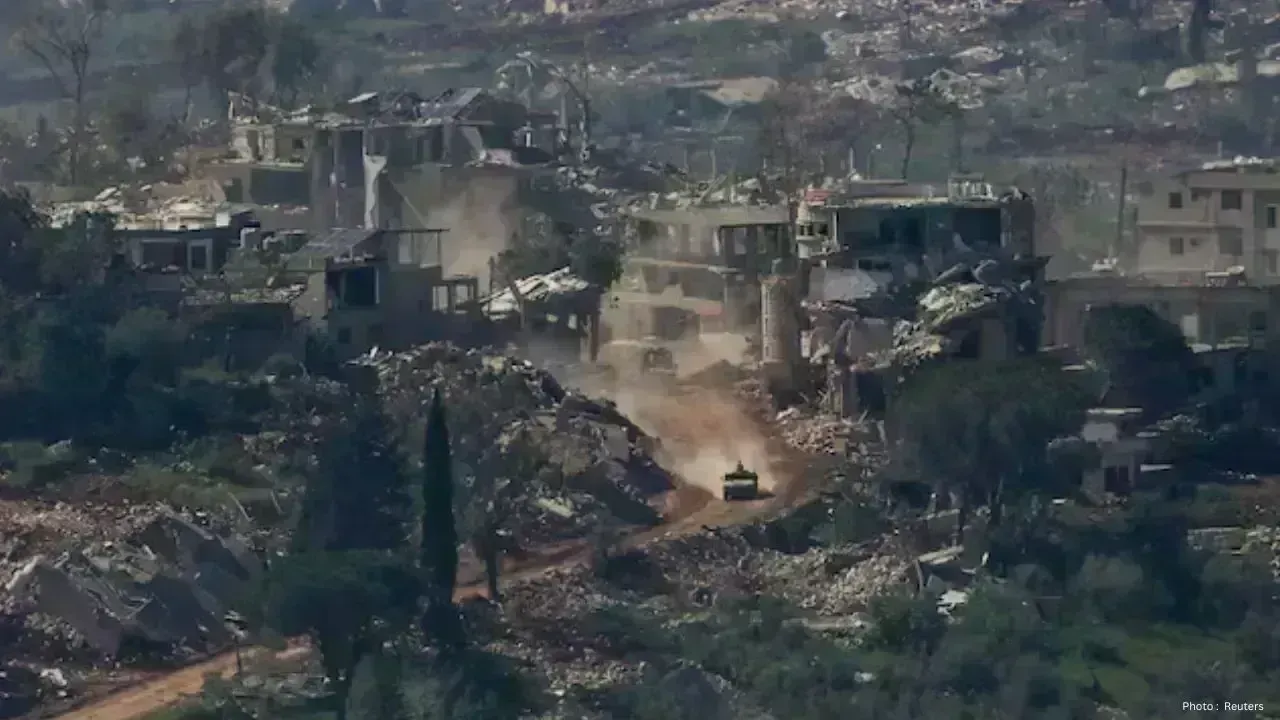
At the same time, the situation on the ground remains tense. Although there is a ceasefire in place, it is fragile and does not fully remove the risk of conflict. Occasional incidents and military activity continue to create uncertainty.
The impact of ongoing tensions is already visible in Lebanon. The country has faced years of economic hardship and political instability. Conflict and uncertainty only add to the struggles of ordinary people, who are already dealing with rising costs and limited opportunities.
Lebanon’s internal divisions are not new. The country has a long history of political differences, often linked to sectarian and regional interests. These differences make decision-making more difficult, especially during times of crisis.
The current situation shows how important unity is for any peace effort. Even with support from outside countries, progress depends on agreement within Lebanon itself. Without unity, it is hard to build trust or move forward in negotiations.
Saudi Arabia’s role in this situation is important but also sensitive. While it is trying to support stability, it must balance its efforts carefully. Pushing too strongly could create more tension, while moving too slowly may delay any chance of progress.
Another factor is the wider regional situation. Tensions in the Middle East continue to influence Lebanon’s position. Conflicts involving other countries add pressure and make the situation more complicated.
For many people in Lebanon, the focus is on daily life. Economic problems, uncertainty, and past conflict have already made life difficult. Many citizens are hoping for stability, but political disagreements continue to delay any clear path forward.
The talks with Israel are seen differently by different groups. Some view them as a chance for peace, while others see them as risky or unnecessary. This divide reflects the larger challenge of balancing national interest with political realities.
Lebanon now faces an important moment. The country must decide whether it can bring its leaders together and move toward a common position, or continue to face division and uncertainty.
The path ahead will require careful decisions, strong leadership, and a willingness to find common ground. Without these, efforts to bring peace and stability may continue to face delays.






DAE Achieves Remarkable Growth in Q1 2026 With Record Revenue
Dubai Aerospace Enterprise announces impressive financial results for Q1 2026, reflecting a surge in

Price Increase for Sony PS5 in Southeast Asia Effective May 1
Sony announces a price increase for the PS5 across Southeast Asia starting May 1, 2026, impacting ga

Potential ‘Super El Niño’ in 2026: Understanding the Climate Risks
Could a Super El Niño emerge in 2026? Discover its implications and potential global climate impacts

Global Energy Crisis Intensifies: Markets React to Oil Supply Challenges
Markets are on edge as oil disruptions escalate, influencing prices and economic stability. Explore

Must-See Tourist Spots in London You Can't Overlook
Explore London's essential attractions, from royal landmarks to vibrant markets, ensuring an unforge

Ultimate Guide to Snagging Cheap Flights in 2026
Unlock the secrets to booking affordable flights in 2026 with insightful tips and strategies tailore




