Post by : Anees Nasser
Winter is a formidable challenge in nature, bringing freezing temperatures, frozen water sources, and limited food availability. For animals, this aversive season demands heightened energy expenditure at a time when sustenance is scarce.
Surviving these conditions relies on efficiency. Animals employ various strategies to conserve heat, minimize energy loss, and secure their limited resources. Evolution has provided remarkable adaptations, from thick furs to behaviors like migration and hibernation.
Studying these adaptations enhances our understanding of wildlife and underscores the fragile connection between animals and their ecosystems.
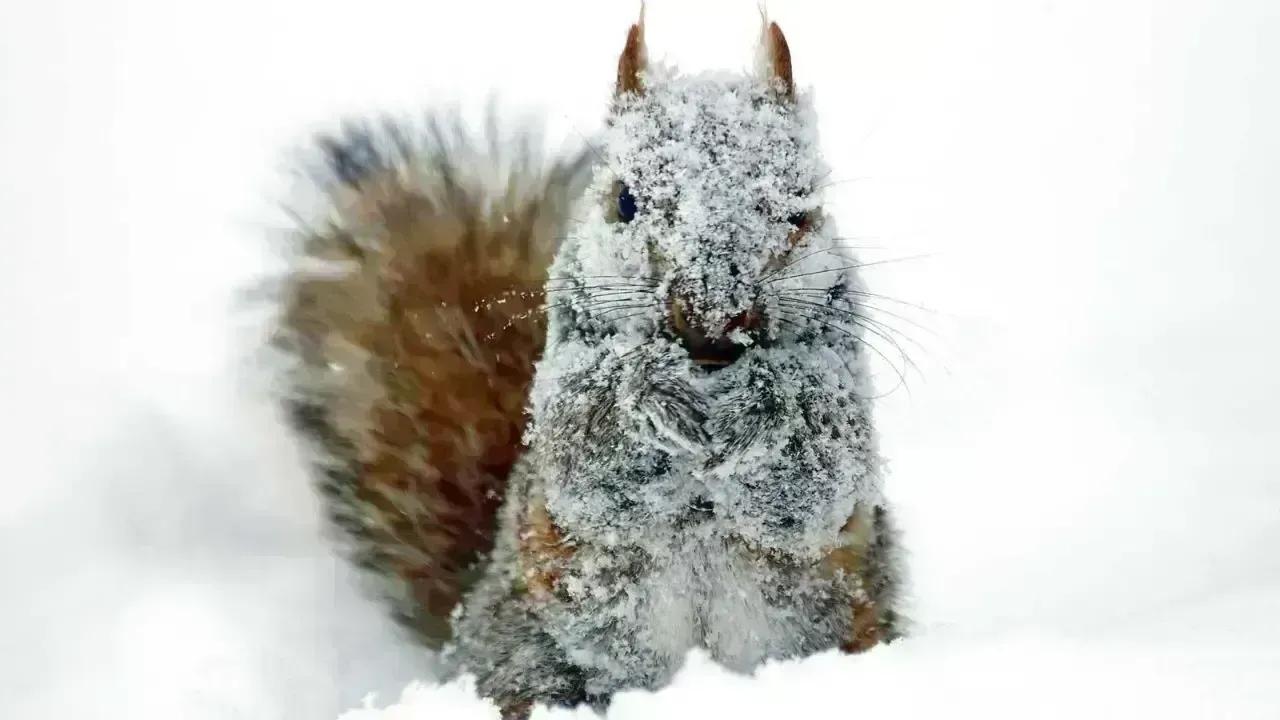
Thicker fur and denser feathers are hallmark winter adaptations. Many animals develop a robust winter coat that is denser than their summer fur.
This insulation layer traps air close to the skin, creating a heat barrier. Some species even possess hollow hairs that enhance insulation without additional weight.
Birds similarly use their feathers, fluffing them to trap air and reduce heat loss during frigid temperatures.
Fat serves key functions in winter. It not only insulates the body but also provides essential energy reserves during periods of food shortage.
Many species enter a phase of hyperphagia in autumn, building fat stores to help them endure winter's lean times.
Cold climate mammals and marine animals depend heavily on fat, as water and wind sap heat more efficiently than air.
Cold-adapted animals often possess more compact body shapes with shorter limbs and ears. This adaptation minimizes the exposed surface area to cold air, effectively reducing heat loss.
Long extremities dissipate heat quicker, so shorter limbs help animals retain warmth, illustrating how body shapes evolve based on climate.
Hibernation is a powerful survival tactic. During this state, an animal’s heart rate and metabolism decrease significantly, conserving energy.
Body temperature may drop, allowing the animal to use stored fat as energy until warmer weather returns.
Hibernation types vary; some species undergo deep, uninterrupted dormancy, while others have periods of wakefulness.
Torpor is similar to hibernation but occurs over shorter durations—often just a night. By lowering their metabolic rate temporarily, animals save energy during the coldest times.
This tactic is especially useful for smaller creatures that lack substantial fat reserves to sustain them.
Many animals opt for migration instead of facing harsh winters. This strategy allows them to escape extreme cold and access areas with ample food.
Animal migration showcases impressive navigation and endurance, as many journey thousands of kilometers to find suitable climates.
Animals inhabiting cold environments can manage their metabolism efficiently. Some can slow down metabolic processes to lower energy consumption, while others heighten metabolism to generate heat.
In extreme cold, some animals produce specific proteins to prevent ice crystals from forming in their cells, thus protecting their bodily functions.
Cold conditions can constrict blood flow to extremities, raising frost damage risks. Various species have unique circulatory systems that help limit heat loss while functioning effectively.
Some animals adapt by changing their coat color with the seasons, sporting white or lighter hues in winter for better camouflage in snowy settings.
Effective camouflage is vital in winter's white landscapes. Animals failing to blend into their surroundings become easy targets, causing energy-intensive escapes.
Many species seek refuge underground during winter, where conditions are stable and sheltered from harsh weather.
Some animals rely on natural structures like caves and hollow trees for shelter, while others construct nests designed to retain warmth. Togetherness can also aid warmth, as animals huddle to conserve energy.
Numerous animals stockpile food in autumn, enhancing their chances of active survival without relying on unstable winter foraging.
When preferred food options vanish, animals often switch their diets, enabling them to thrive even when circumstances are not ideal.
Group behavior is a strategic method for winter survival, enabling heat sharing and minimizing individual exposure.
In group living, individuals can rest while others remain vigilant against predators, enhancing their overall survival chances.
Aquatic creatures face distinct winter problems as surface waters freeze. Many survive by remaining in deeper waters, where temperatures stabilize.
Aquatic species often reduce movement and feeding during winter, enabling them to conserve energy and survive until conditions improve.
Shifting climates have disrupted long-established winter patterns, imposing new challenges on species that have adapted to predictable seasonal cycles.
Inconsistent snow cover can impact color-changing species’ camouflage, while early thaws can diminish fat reserves.
Winter adaptations reveal nature's evolutionary prowess, with each mechanism finely tuned by survival necessities over generations.
Understanding these adaptations is key in predicting species' responses to environmental variations and developing effective conservation strategies.
The extreme challenges of winter reveal the remarkable adaptability of wildlife. From unique physical traits to intricate social behaviors, animals navigate months of cold and harsh conditions.
These survival mechanisms are not random acts but deliberate responses to environmental pressures—further emphasizing the importance of studying adaptation in a changing world.
Disclaimer:
This article is for informational purposes only, summarizing general observations about animal adaptations without substituting detailed scientific research.










Anticipated Dates for UAE Eid Al Adha 2026 Unveiled by Astronomical Experts
Experts predict Eid Al Adha 2026 in the UAE to start on May 27, prompting early holiday planning amo

DAE Achieves Remarkable Growth in Q1 2026 With Record Revenue
Dubai Aerospace Enterprise announces impressive financial results for Q1 2026, reflecting a surge in

Price Increase for Sony PS5 in Southeast Asia Effective May 1
Sony announces a price increase for the PS5 across Southeast Asia starting May 1, 2026, impacting ga

Potential ‘Super El Niño’ in 2026: Understanding the Climate Risks
Could a Super El Niño emerge in 2026? Discover its implications and potential global climate impacts

Global Energy Crisis Intensifies: Markets React to Oil Supply Challenges
Markets are on edge as oil disruptions escalate, influencing prices and economic stability. Explore

Must-See Tourist Spots in London You Can't Overlook
Explore London's essential attractions, from royal landmarks to vibrant markets, ensuring an unforge




