Post by : Saif Nasser
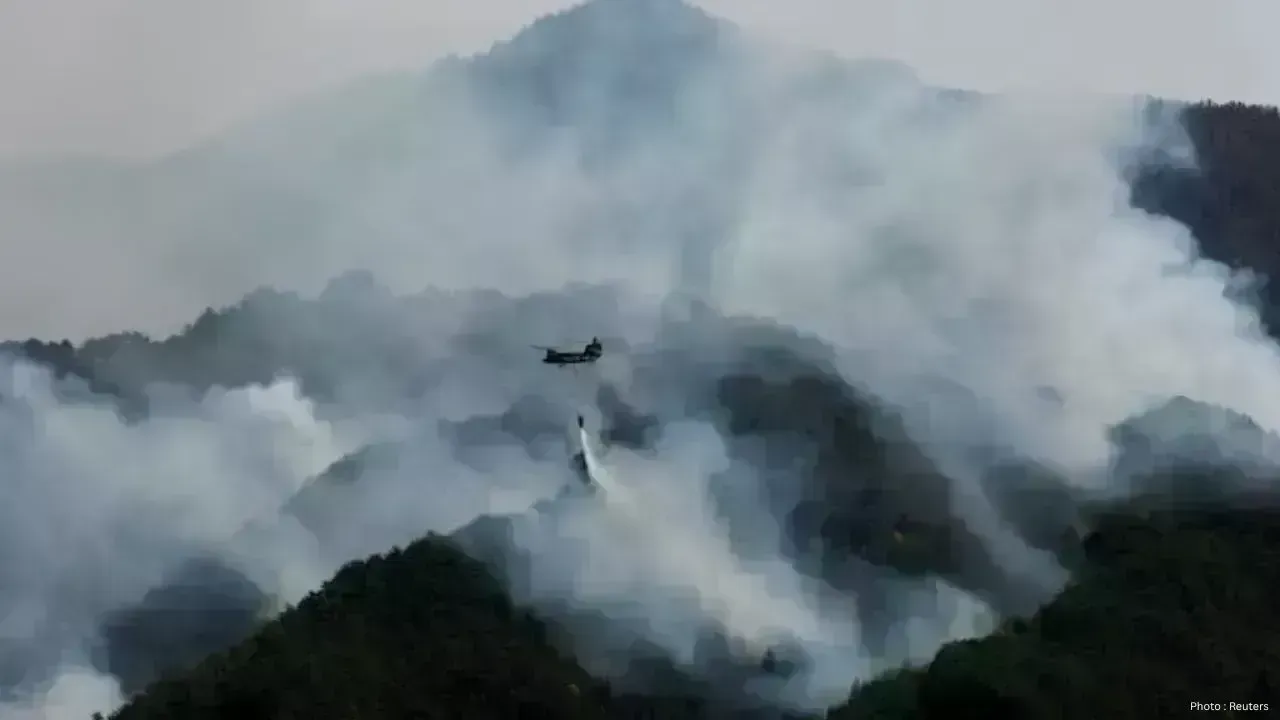
Wildfires are spreading across several parts of the world at record levels, raising serious concerns among scientists, governments, and environmental experts. According to recent reports, global fire outbreaks have reached some of the highest levels ever recorded as dangerous heatwaves and extreme weather conditions continue worsening because of climate change.
Experts warn that many countries could face even more severe fires in the coming months as temperatures rise further during the summer season. The growing number of wildfires is already affecting forests, wildlife, air quality, agriculture, and human health across different regions.
Scientists say the main reason behind the increasing fire activity is the combination of extreme heat, dry weather, and strong winds. These conditions make forests and grasslands much easier to ignite and allow fires to spread very quickly once they begin.
Several countries in Europe, North America, South America, Asia, and Australia have already reported unusually large fire outbreaks this year. In some places, fires have destroyed homes, forced evacuations, and caused major environmental damage.
Climate experts believe global warming is making these disasters more frequent and more intense. Rising temperatures dry out soil, plants, and forests, creating ideal conditions for massive fires. Longer heatwaves and reduced rainfall are also increasing the danger in many regions.
Environmental scientists say the world is now witnessing the real effects of climate change more clearly than ever before. Wildfires that once happened only during certain seasons are now appearing earlier, lasting longer, and spreading over larger areas.
The situation is also becoming a major public health issue. Wildfire smoke contains harmful particles that can damage lungs and cause breathing problems, especially for children, elderly people, and those with existing health conditions. In several countries, poor air quality from wildfire smoke has already forced schools to close and people to remain indoors.
Apart from human health, wildlife is also suffering heavily. Forest fires destroy natural habitats, kill animals, and damage ecosystems that may take years to recover. Some rare species are now facing growing risks because repeated fires are destroying their living areas.
Experts are especially worried about forests that play an important role in controlling global climate. Large fires in areas such as the Amazon rainforest, Canada’s forests, and parts of Southeast Asia release huge amounts of carbon dioxide into the atmosphere. This increases global warming even further, creating a dangerous cycle.
Economic losses from wildfires are also growing rapidly. Governments are spending billions of dollars on firefighting operations, disaster relief, rebuilding homes, and repairing damaged infrastructure. Farmers in many regions are losing crops and livestock because of fire damage and drought conditions.
The growing wildfire crisis has also become a major political issue ahead of international climate meetings. Environmental groups are demanding stronger action from world leaders to reduce greenhouse gas emissions and invest more in climate protection programs.
At the same time, firefighters around the world are facing increasing pressure. Many countries are struggling to manage multiple large fires at the same time, especially during extreme heat periods when resources become limited.
Experts say prevention is becoming just as important as emergency response. Governments are being urged to improve forest management, create early warning systems, strengthen evacuation plans, and educate communities about fire safety.
The crisis also highlights how climate problems in one region can affect the entire world. Smoke from major wildfires can travel across borders, while rising global temperatures influence weather patterns internationally.
Scientists warn that if global warming continues at its current pace, future wildfire seasons could become even more dangerous. Some regions may experience heat levels and fire conditions never seen before in modern history.
Despite the alarming situation, experts believe stronger international cooperation and faster climate action could still reduce long-term risks. Investments in renewable energy, forest protection, cleaner industries, and sustainable environmental policies may help slow the worsening climate crisis.









Anticipated Dates for UAE Eid Al Adha 2026 Unveiled by Astronomical Experts
Experts predict Eid Al Adha 2026 in the UAE to start on May 27, prompting early holiday planning amo

DAE Achieves Remarkable Growth in Q1 2026 With Record Revenue
Dubai Aerospace Enterprise announces impressive financial results for Q1 2026, reflecting a surge in

Price Increase for Sony PS5 in Southeast Asia Effective May 1
Sony announces a price increase for the PS5 across Southeast Asia starting May 1, 2026, impacting ga

Potential ‘Super El Niño’ in 2026: Understanding the Climate Risks
Could a Super El Niño emerge in 2026? Discover its implications and potential global climate impacts

Global Energy Crisis Intensifies: Markets React to Oil Supply Challenges
Markets are on edge as oil disruptions escalate, influencing prices and economic stability. Explore

Must-See Tourist Spots in London You Can't Overlook
Explore London's essential attractions, from royal landmarks to vibrant markets, ensuring an unforge




