Post by : Raina Nasser
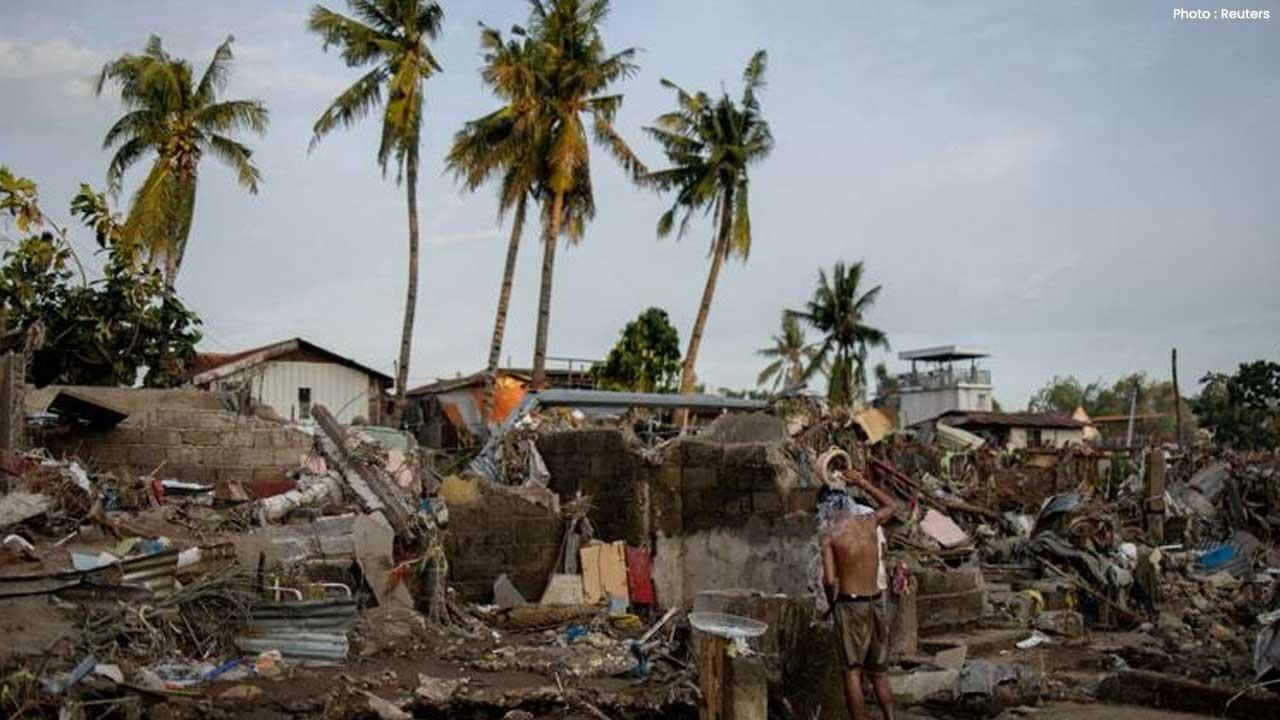
A devastating outcome ensued as Super Typhoon Fung-Wong hit the Philippines, claiming at least six lives amidst relentless winds, flash floods, and life-threatening landslides. The storm descended late Sunday night, just days after another typhoon resulted in over 200 fatalities, intensifying the nation’s recovery challenges.
Locally referred to as Uwan, Typhoon Fung-Wong made landfall in Aurora province with wind speeds reaching 185 km/h (115 mph) and gusts of up to 230 km/h. The Philippine meteorological service had cautioned about the potential for “life-threatening storm surges” and increased winds as the powerful typhoon approached.
In anticipation of the landfall, over 1.4 million residents were evacuated, preventing a greater loss of life. Still, extensive flooding has resulted in widespread destruction, with reports of collapsed structures, uprooted trees, and significant power outages across several provinces.
Cabanatuan City, one of the worst-affected regions, saw residents navigating through waist-deep water to retrieve their possessions. Mercidita Adriano, a local resident, expressed her fears: “We prayed all day that the storm would spare our house,” after her roof was torn off during the deluge.
Authorities estimate that upwards of 4,100 homes were either entirely lost or partially damaged due to the storm’s force. The Philippine Red Cross, alongside other relief organizations, is actively dispatching emergency teams to deliver essential supplies like food, water, and temporary shelter to those affected.
As the storm proceeds weakened towards Taiwan, more than 30,000 individuals have already fled from potential threats. Taiwan is bracing itself for intense rainfall and robust winds as Fung-Wong continues its trajectory northwards.
This fatal event marks the 21st typhoon to impact the Philippines in 2025, demonstrating an increase in the severity of such natural phenomena in the region. Earlier this year, Typhoon Kalmaegi caused devastation in central provinces, followed closely by a magnitude 6.9 earthquake in Cebu, placing immense strain on the country’s relief capacities.
The International Federation of Red Cross and Red Crescent Societies highlighted these successive natural disasters as “a stark reminder of the escalating climate and seismic risks faced by vulnerable nations,” urging for immediate international assistance to bolster recovery efforts.
As the floodwaters gradually recede, emergency personnel are focused on searching for missing individuals while reinstating essential utilities. The Philippines, recognized as one of the world's most disaster-impacted nations, now confronts a significant challenge in rebuilding communities and enhancing their resilience against future climate-related calamities.










DAE Achieves Remarkable Growth in Q1 2026 With Record Revenue
Dubai Aerospace Enterprise announces impressive financial results for Q1 2026, reflecting a surge in

Price Increase for Sony PS5 in Southeast Asia Effective May 1
Sony announces a price increase for the PS5 across Southeast Asia starting May 1, 2026, impacting ga

Potential ‘Super El Niño’ in 2026: Understanding the Climate Risks
Could a Super El Niño emerge in 2026? Discover its implications and potential global climate impacts

Global Energy Crisis Intensifies: Markets React to Oil Supply Challenges
Markets are on edge as oil disruptions escalate, influencing prices and economic stability. Explore

Must-See Tourist Spots in London You Can't Overlook
Explore London's essential attractions, from royal landmarks to vibrant markets, ensuring an unforge

Ultimate Guide to Snagging Cheap Flights in 2026
Unlock the secrets to booking affordable flights in 2026 with insightful tips and strategies tailore




