Post by : Saif Nasser
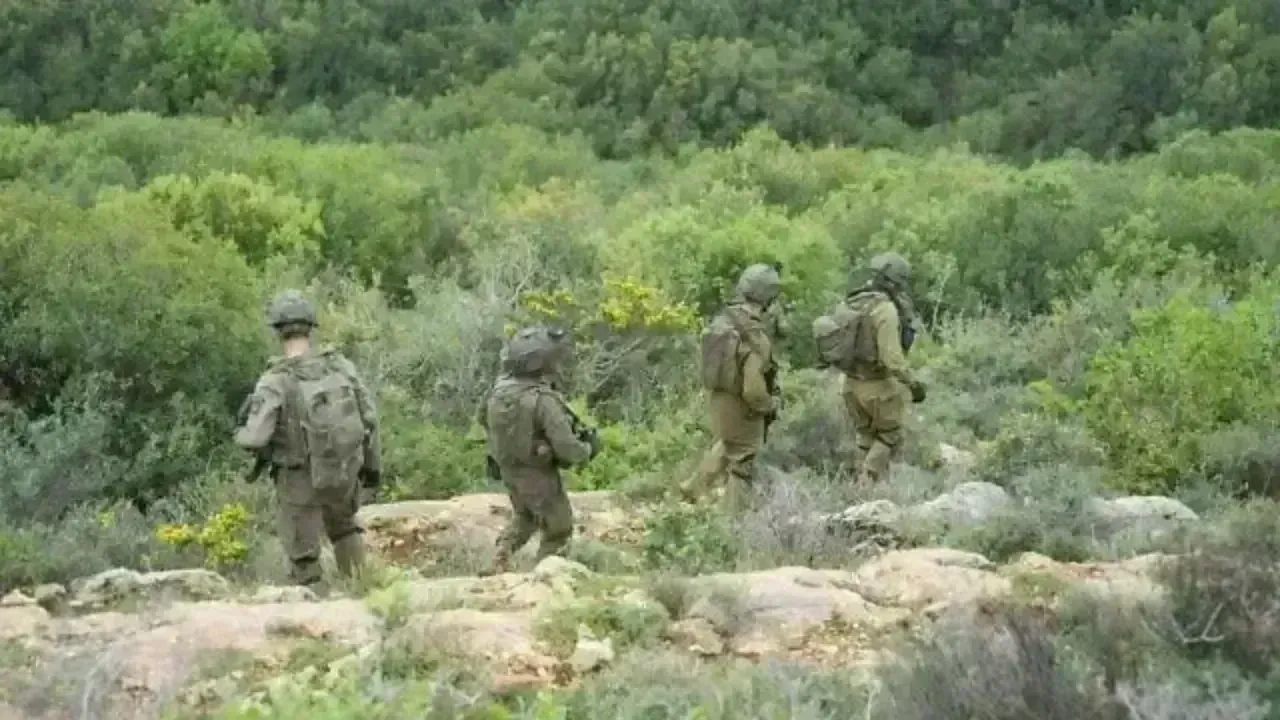
The head of the Israel Defense Forces has made it clear that there is no ceasefire in southern Lebanon, as fighting with Hezbollah continues. This statement shows that tensions in the region remain high and the situation is far from peaceful.
Clashes between Israeli forces and Hezbollah have been ongoing for some time. The latest statement from the Israeli military confirms that military operations are still active and there has been no agreement to stop the fighting. This has raised concerns about further escalation in the region.
Southern Lebanon has long been a sensitive area due to its location near the Israeli border. Hezbollah, which is based in Lebanon, has a strong presence in this region. The group has often been involved in conflicts with Israel, leading to repeated tensions over the years.
The absence of a ceasefire means that both sides continue to carry out military actions. This includes airstrikes, rocket attacks, and ground operations. Such actions increase the risk of damage to infrastructure and harm to civilians living in the area.
For people living in southern Lebanon, the situation is very difficult. Many families face uncertainty, fear, and disruption to their daily lives. Schools, businesses, and public services are often affected during periods of conflict.
The continued fighting also raises concerns at the international level. Many countries and global organizations have called for peace and restraint. They are worried that the conflict could spread to other parts of the region if not controlled.
The situation also affects neighboring countries and the wider Middle East. Increased tension can lead to instability in the region, which may impact trade, travel, and security. Global markets, especially energy markets, often react to such developments.
Diplomatic efforts are usually made during such conflicts to reduce tension and find a peaceful solution. However, achieving a ceasefire can be difficult when both sides have strong positions and ongoing security concerns.
The statement from the Israel Defense Forces suggests that military operations are still considered necessary from their point of view. On the other hand, Hezbollah also continues its actions, making it harder to reach an agreement.
Conflicts like this often have long-term effects. Even after fighting stops, rebuilding damaged areas and restoring normal life can take time. The human cost of such conflicts is also very high.
The current situation highlights the need for dialogue and peaceful solutions. While military actions may continue in the short term, long-term stability can only come through negotiations and understanding between the parties involved.
As there is no ceasefire in place, the coming days remain uncertain. The world will continue to watch closely, hoping for a reduction in violence and a move towards peace in the region.






DAE Achieves Remarkable Growth in Q1 2026 With Record Revenue
Dubai Aerospace Enterprise announces impressive financial results for Q1 2026, reflecting a surge in

Price Increase for Sony PS5 in Southeast Asia Effective May 1
Sony announces a price increase for the PS5 across Southeast Asia starting May 1, 2026, impacting ga

Potential ‘Super El Niño’ in 2026: Understanding the Climate Risks
Could a Super El Niño emerge in 2026? Discover its implications and potential global climate impacts

Global Energy Crisis Intensifies: Markets React to Oil Supply Challenges
Markets are on edge as oil disruptions escalate, influencing prices and economic stability. Explore

Must-See Tourist Spots in London You Can't Overlook
Explore London's essential attractions, from royal landmarks to vibrant markets, ensuring an unforge

Ultimate Guide to Snagging Cheap Flights in 2026
Unlock the secrets to booking affordable flights in 2026 with insightful tips and strategies tailore




