Post by : Raina Nasser
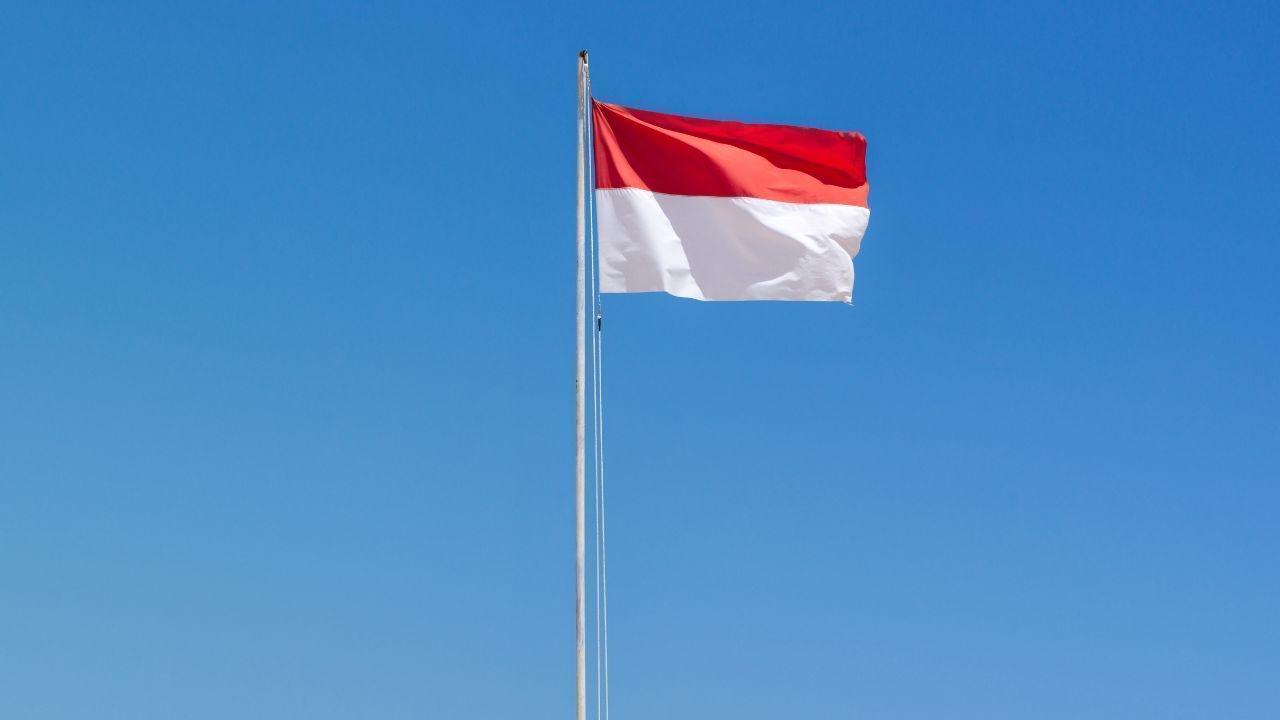
Jakarta – Indonesia has recognized former President Suharto as a national hero, sparking renewed discussions regarding his multifaceted legacy. This declaration, made during a ceremony at the state palace overseen by the current President Prabowo Subianto, Suharto's ex-son-in-law, comes long after the late leader's departure from power and in the wake of significant historical controversies surrounding his rule.
Suharto governed Indonesia from the mid-1960s until 1998, during which time the nation experienced rapid economic advancement, emerging as Southeast Asia’s largest economy. His administration achieved an average annual growth rate of about 7%, reducing inflation from over 600% in 1966 to around 10%. He was often referred to as Bapak Pembangunan, or “father of development,” due to his commitment to fostering infrastructure, stability, and modernization.
Nevertheless, his leadership was equally characterized by extensive human rights violations. The anti-communist purges of 1965–66 resulted in the deaths of an estimated half a million perceived communists. His three-decade administration included acts of torture, forced disappearances, political oppression, and a violent invasion of East Timor. Additionally, his tenure was marked by allegations of grand-scale corruption.
Following the announcement of national hero status, protests erupted almost immediately. Approximately 100 demonstrators assembled in Jakarta, and nearly 16,000 individuals have endorsed online petitions against this honor. Amnesty Indonesia condemned the decision, asserting that it serves to "whitewash the atrocities of Suharto's authoritarian rule" and represents a skewed recounting of history. More protests are anticipated, leading to the mobilization of hundreds of security forces.
Supporters of Suharto argue that his governance was crucial for Indonesia’s stabilization and development. They claim that, despite his dictatorial approach, his economic policies created a foundation for the nation’s present-day prosperity. During the ceremony, Suharto’s children received this accolade in his stead.
The situation is further complicated by President Prabowo Subianto's involvement, who has lauded Suharto's governance while himself facing accusations of rights abuses during Suharto’s tenure. Critics contend that celebrating Suharto’s legacy poses a risk of downplaying historical atrocities, especially with the government now publishing new textbooks purporting to soften the violent history of the New Order period.
Along with Suharto, titles of national hero were also awarded to former President Abdurrahman Wahid (Gus Dur), recognized for his opposition to Suharto, and labor activist Marsinah, who was abducted and murdered in 1993. These recognitions might serve as an attempt to acknowledge Indonesia’s democratic and human rights reformers.
The granting of national hero status to Suharto highlights the ongoing struggle in Indonesia to balance his economic successes with the grave human costs associated with his authoritarian governance.








DAE Achieves Remarkable Growth in Q1 2026 With Record Revenue
Dubai Aerospace Enterprise announces impressive financial results for Q1 2026, reflecting a surge in

Price Increase for Sony PS5 in Southeast Asia Effective May 1
Sony announces a price increase for the PS5 across Southeast Asia starting May 1, 2026, impacting ga

Potential ‘Super El Niño’ in 2026: Understanding the Climate Risks
Could a Super El Niño emerge in 2026? Discover its implications and potential global climate impacts

Global Energy Crisis Intensifies: Markets React to Oil Supply Challenges
Markets are on edge as oil disruptions escalate, influencing prices and economic stability. Explore

Must-See Tourist Spots in London You Can't Overlook
Explore London's essential attractions, from royal landmarks to vibrant markets, ensuring an unforge

Ultimate Guide to Snagging Cheap Flights in 2026
Unlock the secrets to booking affordable flights in 2026 with insightful tips and strategies tailore




