Post by : Saif Nasser
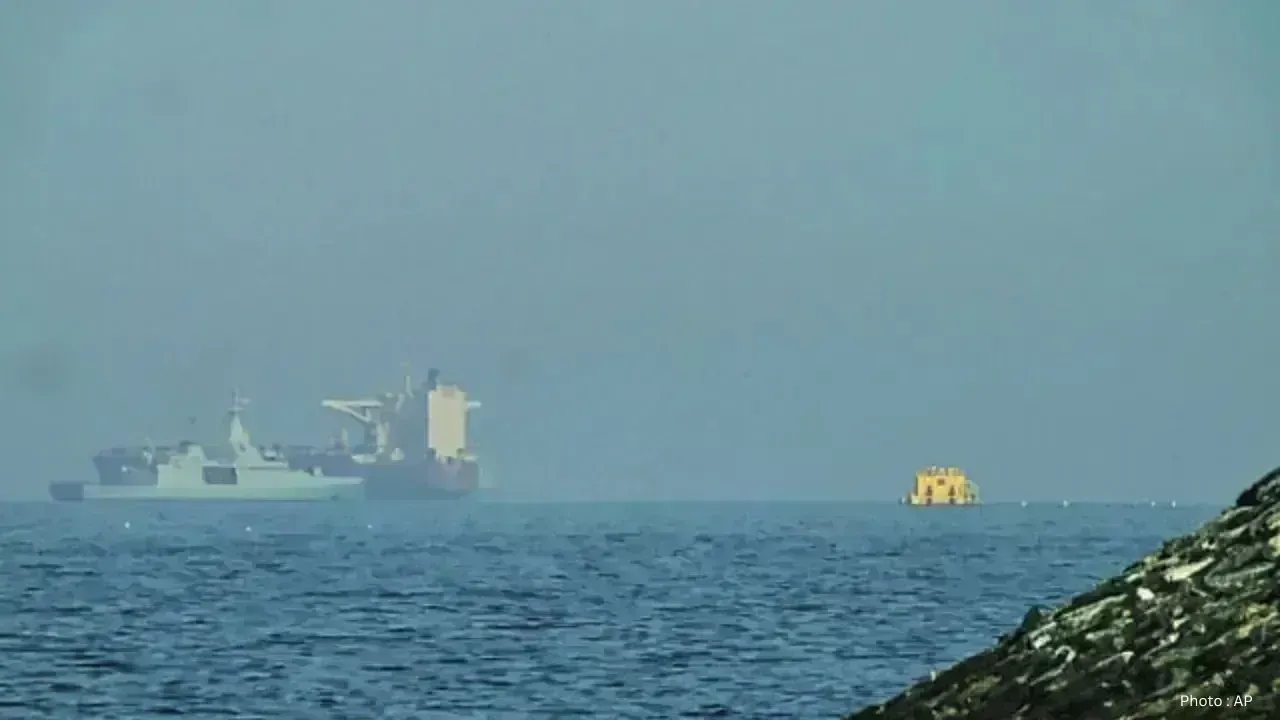
The UK Maritime Trade Operations has warned that the threat level in the Strait of Hormuz remains “critical,” underlining the serious risks faced by ships passing through one of the world’s most important trade routes.
This warning comes at a time when tensions in the region remain high due to ongoing friction between the United States and Iran. The agency’s latest advisory makes it clear that ships in the area face constant danger, including the risk of sudden attacks and military action.
According to maritime security updates, the situation has not improved. Instead, it continues to be a high-risk zone where vessels must follow strict safety measures. Threats such as missile strikes, drone activity, and possible sea mines have made normal shipping operations extremely difficult.
The Strait of Hormuz is a narrow but vital waterway that connects the Persian Gulf to global markets. A large portion of the world’s oil supply moves through this route every day. Because of this, any disruption in the area quickly affects global trade and energy prices.
Recent incidents have increased these concerns. Several ships have been targeted or forced to change course due to safety fears. In many cases, vessels are choosing to wait outside the Strait rather than risk passing through it. This has caused a sharp drop in shipping traffic.
Reports suggest that hundreds of ships are now stranded or delayed in and around the region. Thousands of sailors are facing difficult conditions, including shortages of food and basic supplies, as they wait for a safer situation.
The crisis has also started to affect the global economy. Oil prices have risen as fewer ships are able to transport energy supplies through the Strait. If the situation continues, it could lead to higher fuel costs and increased prices for everyday goods across many countries.
The current situation developed after tensions in the region increased earlier this year. Military actions and warnings from both sides have created an environment of fear and uncertainty. Since then, there have been repeated reports of attacks on commercial vessels, adding to the sense of danger.
Despite ongoing diplomatic efforts, there is still no clear solution. Talks between different countries continue, but the gap between their positions remains wide. At the same time, military activity in the region has not stopped, keeping the risk level high.
The warning from the UK Maritime Trade Operations is a strong signal that the situation remains serious. It shows that the Strait of Hormuz is still unsafe and that ships must remain alert at all times.
This crisis highlights how a problem in one region can affect the entire world. A single disruption in such an important waterway can impact global trade, energy supply, and daily life in many countries.
For now, caution remains the top priority. Ships are being advised to stay alert, follow safety guidelines, and prepare for sudden changes. The hope is that diplomatic efforts will reduce tensions and bring stability back to the region before the situation worsens further.








DAE Achieves Remarkable Growth in Q1 2026 With Record Revenue
Dubai Aerospace Enterprise announces impressive financial results for Q1 2026, reflecting a surge in

Price Increase for Sony PS5 in Southeast Asia Effective May 1
Sony announces a price increase for the PS5 across Southeast Asia starting May 1, 2026, impacting ga

Potential ‘Super El Niño’ in 2026: Understanding the Climate Risks
Could a Super El Niño emerge in 2026? Discover its implications and potential global climate impacts

Global Energy Crisis Intensifies: Markets React to Oil Supply Challenges
Markets are on edge as oil disruptions escalate, influencing prices and economic stability. Explore

Must-See Tourist Spots in London You Can't Overlook
Explore London's essential attractions, from royal landmarks to vibrant markets, ensuring an unforge

Ultimate Guide to Snagging Cheap Flights in 2026
Unlock the secrets to booking affordable flights in 2026 with insightful tips and strategies tailore




