Post by : Shweta
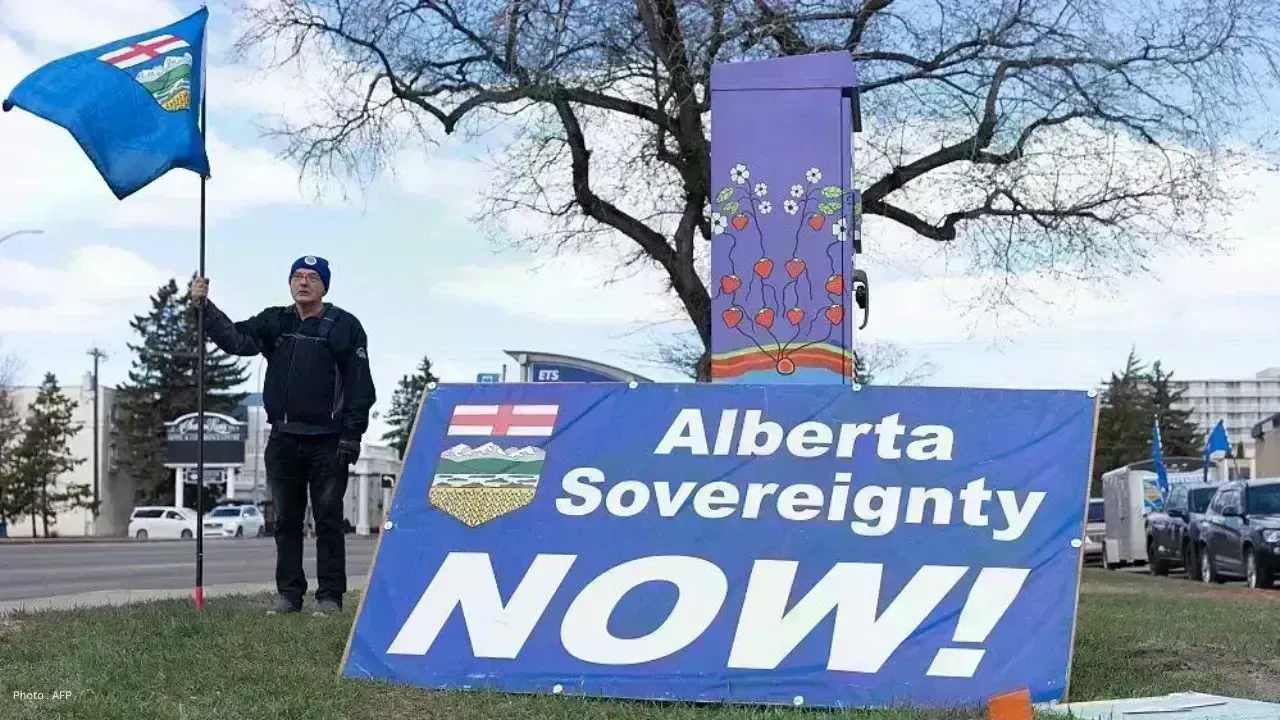
Stay Free Alberta has taken the step of appealing after the Court of King’s Bench dismissed its proposed petition for Alberta's separation. This legal case is part of a larger political dialogue within the province, emphasizing issues related to provincial independence, constitutional rights, and the intricacies of citizen-led referendum efforts.
Previously, the organization worked on a petition aimed at initiating a referendum about Alberta's separation from Canada. However, the Court ruled that the initiative failed to fulfill necessary legal criteria outlined in provincial laws regarding referendum and citizen-driven initiatives.
In response to this ruling, Stay Free Alberta has decided to contest the decision through an appeal. Group representatives assert that Albertans ought to have the right to democratically engage in discussions and votes concerning the future direction of their province and its relationship with the federal government.
This case has drawn significant national interest, given that Alberta's separation is a contentious topic in Canadian politics. Although there is limited support for outright separation, ongoing debates surrounding provincial rights and economic policies contribute to frustration among certain political factions in Alberta.
Documentation from the court indicated concerns about the constitutional soundness and phrasing of the proposed petition question. Legal authorities noted that Canadian provinces cannot independently separate through a mere referendum, making the legal framework for such attempts particularly intricate.
Proponents of Stay Free Alberta argue that this appeal is crucial for ensuring democratic engagement and allowing citizens to voice objections to federal policy. On the other hand, opponents argue that these separation initiatives foster political discord and present unrealistic constitutional alternatives.
Political commentators suggest that this appeal might rekindle discussions around Western alienation, provincial independence, and the dynamics of federal-provincial relations in Canada. Such debates have historically surfaced, particularly during economically challenging times linked to the energy sector and disputes with Ottawa on policy matters.
While the Alberta government has not signaled any endorsement of separation, officials continue to push for increased provincial authority over areas like resource management, taxation, and economic oversight. Experts on constitutional law indicate that any genuine movement toward separation would necessitate prolonged legal discussions and extensive national political dialogue.
The coming months will see the appeal process wind through Alberta’s judicial system. Observers believe that the ruling's outcome could impact future citizen-driven political initiatives and petitions related to referendums across the province.










Meta Unveils Subscription Plans for Instagram, Facebook, and WhatsApp
Meta introduces new subscription plans for users of Instagram, Facebook, and WhatsApp, featuring enh

Suvarna Joy on Education Leadership, Resilience, and Building Purpose Through Adversity in the UAE
Suvarna Joy shares her journey of education leadership, motherhood, faith, and resilience within the

Anticipated Dates for UAE Eid Al Adha 2026 Unveiled by Astronomical Experts
Experts predict Eid Al Adha 2026 in the UAE to start on May 27, prompting early holiday planning amo

DAE Achieves Remarkable Growth in Q1 2026 With Record Revenue
Dubai Aerospace Enterprise announces impressive financial results for Q1 2026, reflecting a surge in

Price Increase for Sony PS5 in Southeast Asia Effective May 1
Sony announces a price increase for the PS5 across Southeast Asia starting May 1, 2026, impacting ga

Potential ‘Super El Niño’ in 2026: Understanding the Climate Risks
Could a Super El Niño emerge in 2026? Discover its implications and potential global climate impacts




