Post by : Anees Nasser
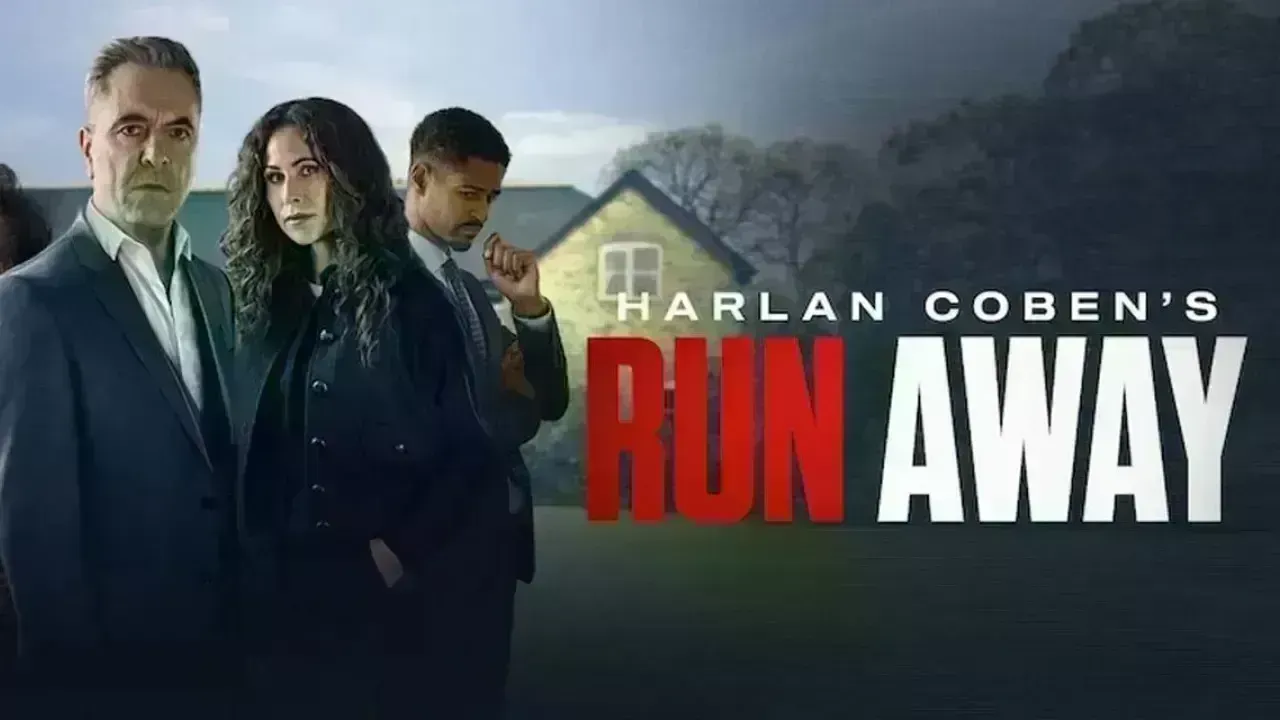
The dawn of the New Year usually brings resolutions and aspirations, but Run Away serves as a refreshing escape showcasing that entertainment can still be engaging while maintaining a lighter touch. This newly launched thriller pays homage to classic pulp fiction with elements like personal vendettas, illicit cash flows, and desperate characters racing against time. From the very first episode, the series exudes a relaxed confidence that has resonated well with audiences seeking an entertaining diversion after the holiday hustle.
Successful pulp narratives thrive on knowing their identity, and Run Away never masquerades as a slow-paced drama. Instead, it aims purely to entertain, achieving this goal with style. The subsequent review delves into how the series marries vintage genre dynamics with contemporary pacing, illustrating the relatability of its characters and revealing how the show kicks off the year with breezy charm.
The series launches with a straightforward yet compelling hook. Ray Connor, a former courier, inadvertently witnesses a clash in a seaside parking lot, making him a target for law enforcement and criminals alike. When a bag filled with enigmatic cash finds its way to him, every episode plunges him deeper into a web of deception. The plot flows seamlessly, transitioning between tight diners and curvy highways without missing a beat.
Viewers have applauded how swiftly the stakes escalate. In mere moments, Ray's mundane existence unravels—his sister is unemployed, his best friend is unreachable, and a cunning detective raises suspicions. Although the premise mirrors many classic paperback thrillers, it feels invigorated thanks to snappy dialogue and credible scenarios.
The storyline thrives on coincidences that unabashedly belong to the world of pulp fiction. Vehicles malfunction at inopportune moments, strangers extend help with ulterior motives, and Ray faces dilemmas about trust. The brilliance of these familiar tropes lies in the show's self-awareness. The writers handle plot twists with playful exaggeration rather than somber gravity. Each cliffhanger is treated like a fun ride, which explains its reputation as a quintessential New Year pulp.
One standout aspect is its brisk pace. Episodes follow a concise format where threats arrive in surges. Just as Ray navigates one peril, two more emerge. The narrative avoids lingering on explanations, instead letting action shape character. This technique resonates with viewers who prefer to start the year with minimal tolerance for slow narratives.
The fast pace has garnered accolades, with many noting the first season can be binge-watched over a long weekend without causing fatigue. The structure respects audience time while serving enough complexity to keep the intrigue alive.
Each episode concludes with a striking impact. The rhythm resembles chapters from classic pulp novels where heroes hastily turn pages. This pacing ensures the show remains engaging after holiday festivities, keeping viewers riveted during early January.
Ray Connor embodies the quintessential pulp hero. He isn't wealthy or authoritative; he navigates life through odd jobs and wry humor. Actor Daniel Marks brings him to life with a laid-back charisma, steering clear of grand soliloquies. Ray emerges as a man torn between fleeing from chaos and facing it head-on.
Fans resonate with this relatable protagonist. He stumbles often, yet his dedication to his sister and commitment to integrity endear him to viewers. He aligns perfectly with New Year's viewing—enjoyable and easy to root for.
Detective Lorna Hale injects additional depth into the storyline. She is astute, slightly amused by Ray's mishaps, and portrayed adeptly by actress Maya Trent, who makes straightforward interrogation scenes feel like engaging duels.
Fans appreciate how Lorna defies stereotypes; she’s neither the archetypal virtuous cop nor the corrupt adversary. While piecing together clues, she navigates the complexities of departmental politics. Her chemistry with Ray amplifies the enjoyable pulp element celebrated in early reviews.
Pulp thrives on vibrant antagonists, and Run Away delivers a colorful array. Vince Morado, the slick nightclub owner, steals scenes with his sharp humor. Meanwhile, Nate Briggs, the anxious accountant, embodies the influence of morally dubious money. These villains feel straight out of classic paperbacks, yet are invigorated by contemporary performances.
The dialogue stands out as a primary factor in labeling the series perfect pulp. Characters exchange tight, witty banter rather than lengthy monologues. Ray manages to crack jokes even while nursing a minor stab wound, while criminals engage in verbal sparring with clever insults.
The script honors the essence of classic genres—sarcastic wit, subtle romantic undertones, and straightforward threats—without feeling antiquated. Viewers kicking off the year with Run Away often find themselves quoting memorable lines on social media, celebrating the playful dialogue as a delightful escape.
The humor maintains a playful vibe without darker undertones. The writing generates laughter that feels buoyant, fitting the show’s New Year release perfectly. The prose is designed to entertain without dragging the mood down.
The visual style echoes the glossy allure of vintage thrillers. Neon illuminations shine over rainy motels, while vehicles glitter like perilous playthings. Director Sam Ortega opts for steady shots that exude assurance over showiness.
Viewers have commended the nostalgic yet modern feel of the visual style, making it a perfect fit for a New Year binge on platforms like Crunchyroll. This classic pulp aesthetic reinforces its reputation as a go-to thrill for welcoming the New Year.
Chase sequences are crafted with clarity. Rather than employing jarring cuts, the camera helps viewers easily follow the geography, which many critics value during leisurely January viewings.
Even with its light tone, the series probes deeper into themes of escape and consequences. Ray yearns to leave town, but the bag of cash compels him to confront his troubled history.
This theme of evasion resonates with those setting New Year intentions—illustrating that running from difficulties rarely resolves them. The show manages to keep the atmosphere light while offering thoughtful insights.
A sense of familial loyalty propels Ray's choices. Mira’s earlier protection arc mirrors his personal journey. Viewers cherish how devotion intertwines with enjoyable pulp escapism.
Composer Rene Alba delivers a catchy, rhythmic score that aligns with pulp traditions. The saxophones croon during nocturnal drives, while percussion echoes like racing hearts.
This jazzy energy has been well-received by audiences ushering in the New Year alongside the series. Music contributes significantly to the overall atmosphere rather than being mere background filler.
The clamor of street sounds and the clink of glasses establish an immersive vibe that critics appreciate for easing through New Year marathons.
The New Year calls for a viewing experience that doesn’t broach heavy concepts. Run Away is precisely that kind of show, ushering January in with thrills that are easy to digest post-celebration.
Viewers laud its uncomplicated approach to greeting 2026, regarding it as exemplary pulp to herald the year with cheer and delightful surprises.
The series tackles plot twists like a carnival operator. A seemingly helpful stranger named Cole Rivers conceals mischievous intentions, while Vince Morado extends job offers while scheming treachery. Such twists maintain the whimsical nature of the pulp genre, ensuring consistent enjoyment.
Ray’s road trips create episodic pleasures typical of pulp fiction. These journey sequences have captivated viewers as they commence the New Year with the series.
The on-screen rapport between Daniel Marks and Maya Trent continues to earn accolades. Their interrogation sequences feel like spirited matches that contribute to impressive reviews.
Vince Morado’s charismatic arrogance has delighted fans seeking enjoyable villainy in New Year’s pulp adventures.
The series resonates with the tradition of authors like Elmore Leonard and vintage Japanese thrillers, yet it revitalizes this legacy with modern energy, a facet appreciated by audiences.
Creator Jon Keppel envisioned a light-hearted thriller appropriate for New Year’s viewing. His vision has been realized, evident in enthusiastic reactions.
Early ratings on Crunchyroll and fan forums reflect positive reception, dubbing it the ideal pulp to kick off January.
Some coincidences may stretch plausibility, yet the traditions of pulp allow for such liberties. Viewers predominantly overlook these flaws amidst the festive spirit.
Memes and quotes featuring Ray Connor have made waves across social media during January, underscoring the series' popularity.
Fans are eager for a second season following the initial New Year launch, hopeful for further pulp-filled escapades.
Run Away genuinely embodies the spirit of pulp fiction—delivering sharp dialogue, vibrant adversaries, and a relatable hero racing through chaos. The series stands as an engaging companion for New Year weekends and is celebrated as quintessential thriller entertainment.
The allure of Run Away hinges on its ability to revive the genre of pulp fiction proudly. Today's audiences often regard this style as guilty pleasure material; however, the show embraces it unabashedly. The creators recognize that pulp encompasses a tradition rooted in efficient storytelling. Each scene feels concise, conflicts are direct, and characters are defined through action. Viewers entering January with fresh perspectives have warmly welcomed this revival.
Ray Connor’s journey at the academy, Vince Morado’s nightclub empire, and Cole Rivers’ treachery across highways all serve as nods to the paperback legacy. Rather than hiding these influences, the series allows them to surface organically through performances and visual storytelling. Many have expressed that the show provided a comforting escape after the demands of New Year planning, reaffirming that pulp fiction still holds sway in today’s entertainment landscape.
Another reason for the highly favorable reception is the subtle character development. Ray doesn’t transform merely through moral awakening; instead, he evolves through tough decisions about protecting his sister and confronting the shady cash network. Detective Lorna Hale also exhibits growth through her investigations and clashes with departmental politics, making the action-driven development feel authentic. This approach resonates with viewers who have consistently praised the series throughout January.
The supporting characters—Nate Briggs and Cole Rivers—are similarly revealed through tense chases, anxious phone calls, and small betrayals. This methodology keeps the pulp spirit alive while fostering emotional connections. High ratings across the board reflect viewers’ ability to relate to characters without needing overt labels or explanations.
The visual paperback style and Rene Alba’s jazzy score act as a pleasing distraction. Following the New Year’s fireworks, the series offers vibrant highways and witty exchanges. Fans have celebrated how the cinematography frames action with clarity, avoiding disorienting cuts. The invigorating jazz soundtrack sets the mood sublimely, making it ideal for binge-watching during the first weeks of January.
When craft seamlessly merges with character, praise flows freely. In Run Away, technical proficiency remains understated, allowing audiences to savor the journey. This harmonious blend explains the show’s accolade as the perfect pulp for ushering in the New Year.
The positive reception of Run Away indicates that audiences in 2026 still yearn for uncomplicated excitement. There is no inherent conflict between fantasy anime and pulp thrillers; they can coexist on platforms like Crunchyroll while viewers express genuine opinions. Near-perfect ratings reveal that fans celebrate storylines that value their time and emotional investment.
Run Away stands as a testament that the year can commence with fun instead of intense seriousness. The series provides high-energy entertainment, charismatic villains, and a relatable protagonist to accompany viewers through the January weekends. Its triumph may motivate networks to allocate more resources toward pulp storylines, validating that even amidst the saturated digital market, perfect genre entertainment can still capture hearts.
Disclaimer:
This review represents the writer’s independent evaluation of the series and audience reactions available at the time. It is intended solely to inform readers about the series’ entertainment value, without any promotional intent.










Anticipated Dates for UAE Eid Al Adha 2026 Unveiled by Astronomical Experts
Experts predict Eid Al Adha 2026 in the UAE to start on May 27, prompting early holiday planning amo

DAE Achieves Remarkable Growth in Q1 2026 With Record Revenue
Dubai Aerospace Enterprise announces impressive financial results for Q1 2026, reflecting a surge in

Price Increase for Sony PS5 in Southeast Asia Effective May 1
Sony announces a price increase for the PS5 across Southeast Asia starting May 1, 2026, impacting ga

Potential ‘Super El Niño’ in 2026: Understanding the Climate Risks
Could a Super El Niño emerge in 2026? Discover its implications and potential global climate impacts

Global Energy Crisis Intensifies: Markets React to Oil Supply Challenges
Markets are on edge as oil disruptions escalate, influencing prices and economic stability. Explore

Must-See Tourist Spots in London You Can't Overlook
Explore London's essential attractions, from royal landmarks to vibrant markets, ensuring an unforge




