Post by : Raina Nasser
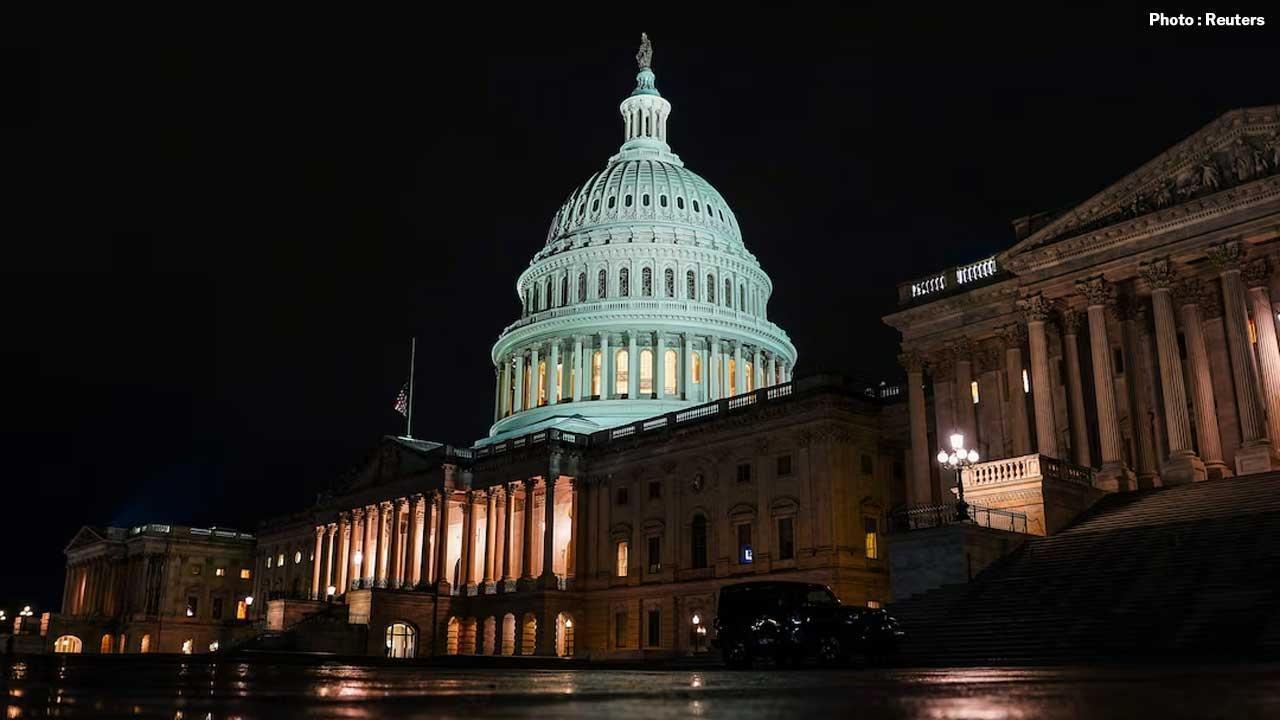
Following an extensive 40-day disruption, a significant vote in the Senate indicates that the US government shutdown may be coming to a close. Lawmakers have reached a bipartisan consensus aimed at reinstating federal services and resuming salaries for millions of workers impacted by this unprecedented shutdown.
The procedural measure was approved by the Senate after thorough negotiations, with several Democrats aligning with Republicans to ensure its passage. This marks a crucial step toward halting a shutdown that began on October 1 and has affected around 1.4 million federal employees, either on unpaid leave or working without compensation.
Senate Majority Leader John Thune underscored the collaborative spirit, mentioning, “We have senators from both parties who are committed to addressing this crisis together. Additionally, we have a president ready to engage on this matter.”
Nonetheless, the agreement faces several obstacles. It must be ratified by the House of Representatives and meet further procedural requirements before federal operations can fully resume. While it provides funding for essential agencies like Veterans Affairs and Agriculture, along with back pay for federal workers, it only extends government financing through January 30, 2026. This schedule raises the possibility of another shutdown if further legislative measures are not enacted.
A vital aspect of this agreement is its support for the Supplemental Nutrition Assistance Program (SNAP), which aids around one in eight Americans depending on this food safety net. Furthermore, it includes a firm commitment to vote in December regarding the extension of healthcare subsidies, a pressing concern for Democrats advocating for improved access to affordable health insurance.
Despite the advancements, the agreement has sparked criticism among some Democratic figures who claim it inadequately addresses the healthcare crisis. Senate Minority Leader Chuck Schumer remarked, “This bill does not adequately ensure that the healthcare crisis is managed,” hinting at potential resistance in the House. Prominent Democrats like California Governor Gavin Newsom have also criticized the proposal as “pathetic,” emphasizing the lack of solid commitments on healthcare.
The ongoing US government shutdown has had extensive ramifications, affecting not just federal workers but also air travel, public services, and food assistance programs for low-income individuals. Analysts warn that while the Senate vote marks a significant advancement, ongoing vigilance is essential to prevent another shutdown in the near future.
As the House readies to assess the agreement, federal employees and citizens alike are hopeful for a resolution that could restore essential government functions and public services, effectively concluding the longest shutdown in US history.









DAE Achieves Remarkable Growth in Q1 2026 With Record Revenue
Dubai Aerospace Enterprise announces impressive financial results for Q1 2026, reflecting a surge in

Price Increase for Sony PS5 in Southeast Asia Effective May 1
Sony announces a price increase for the PS5 across Southeast Asia starting May 1, 2026, impacting ga

Potential ‘Super El Niño’ in 2026: Understanding the Climate Risks
Could a Super El Niño emerge in 2026? Discover its implications and potential global climate impacts

Global Energy Crisis Intensifies: Markets React to Oil Supply Challenges
Markets are on edge as oil disruptions escalate, influencing prices and economic stability. Explore

Must-See Tourist Spots in London You Can't Overlook
Explore London's essential attractions, from royal landmarks to vibrant markets, ensuring an unforge

Ultimate Guide to Snagging Cheap Flights in 2026
Unlock the secrets to booking affordable flights in 2026 with insightful tips and strategies tailore




