Post by : Saif Nasser
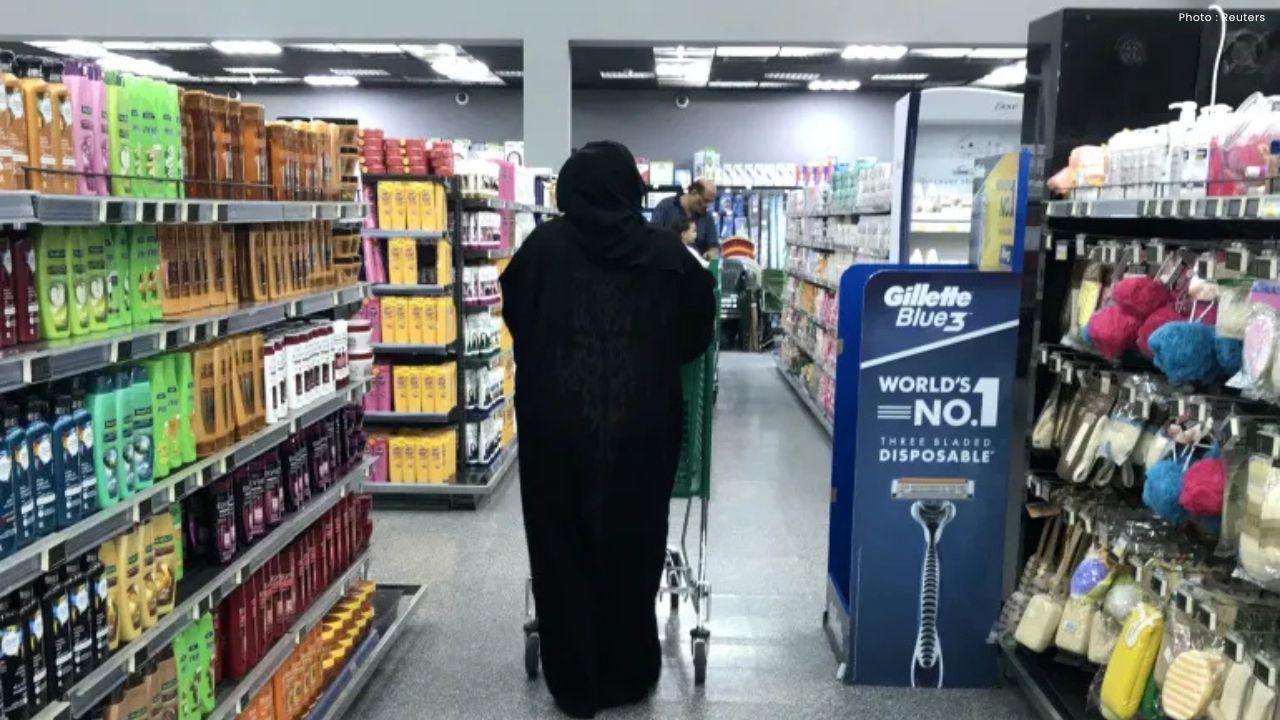
As tensions rise across the Middle East, many countries are facing serious concerns about supply chains, trade routes, and the availability of essential goods. However, Qatar has sent a strong message of confidence, stating that it is fully prepared to maintain the steady flow of goods despite the ongoing crisis in the region.
According to Qatar’s top customs official, the country does not expect any shortages or major disruptions in supply chains. Authorities have reassured the public that systems are in place to keep imports and exports moving smoothly, even as security threats and military tensions continue to grow nearby.
This assurance comes at a time when the wider region is experiencing uncertainty. The ongoing conflict involving Iran, Israel, and the United States has affected key shipping routes, especially around the Strait of Hormuz. Many global trade networks depend on this narrow passage, and any disruption there can impact oil supplies, shipping, and international markets.
Despite these risks, Qatar believes it has built a strong and flexible system to handle such challenges. One of the key reasons is its strategic reserves of essential goods. The country has stored enough food and basic supplies to meet demand even if imports slow down for a period. This gives authorities time to manage any unexpected disruptions without creating panic among the public.
Another important factor is Qatar’s advanced customs system. The country has invested in digital platforms that allow faster and more efficient clearance of goods. These systems connect different government departments and private companies, making it easier to process shipments and reduce delays. As a result, goods can move quickly through ports and entry points, even during difficult times.
Qatar has also taken steps to improve coordination between different agencies involved in trade and logistics. Officials are closely monitoring the movement of goods and working together to ensure that supply chains remain stable. Special arrangements have been made to give priority to essential items such as food and medical supplies, allowing them to enter the country without delay.
In addition to internal measures, Qatar is working with other countries in the Gulf region. Cooperation through regional groups is helping to simplify customs procedures and improve the movement of goods between countries. These efforts are especially important at a time when transport routes may be under pressure.
One of Qatar’s biggest strengths is its ability to use multiple transport options. The country does not depend on a single route for its imports. Instead, it has built a system that includes sea, air, and land connections. This flexibility allows goods to keep moving even if one route becomes unsafe or unavailable.
For example, Hamad Port plays a major role as a key shipping hub with strong links to global markets. At the same time, Hamad International Airport provides advanced cargo facilities that can handle urgent shipments by air. On land, the Abu Samra border crossing with Saudi Arabia offers another important route for trade, connecting Qatar to the wider regional road network.
These combined efforts show that Qatar has learned from past challenges. In earlier years, the country faced regional blockades that forced it to quickly adapt its supply systems. Since then, it has focused on building stronger and more independent logistics networks. Today, those investments are helping the country remain stable during another period of uncertainty.
The global situation, however, remains serious. Across the Middle East, attacks, security alerts, and disruptions to shipping are creating pressure on supply chains. Reports suggest that many ships are delayed or rerouted, and some countries are already facing higher costs and slower deliveries.
In this environment, Qatar’s approach offers an example of how preparation and planning can reduce risk. By investing in infrastructure, technology, and regional cooperation, the country has created a system that can handle sudden shocks.
Still, experts warn that no system is completely safe from prolonged conflict. If tensions continue to rise, even strong supply chains could come under pressure. This is why many countries are calling for calm and urging diplomatic solutions to prevent further escalation.
For now, Qatar remains confident. Officials continue to monitor the situation closely and are ready to take additional steps if needed. Their message is clear: the country is prepared, and there is no need for concern about shortages or disruptions at this time.
In conclusion, while the Middle East faces one of its most uncertain periods in recent years, Qatar’s steady approach to managing supply chains stands out. The country’s ability to keep goods flowing shows the importance of planning, cooperation, and strong infrastructure in times of crisis.









DAE Achieves Remarkable Growth in Q1 2026 With Record Revenue
Dubai Aerospace Enterprise announces impressive financial results for Q1 2026, reflecting a surge in

Price Increase for Sony PS5 in Southeast Asia Effective May 1
Sony announces a price increase for the PS5 across Southeast Asia starting May 1, 2026, impacting ga

Potential ‘Super El Niño’ in 2026: Understanding the Climate Risks
Could a Super El Niño emerge in 2026? Discover its implications and potential global climate impacts

Global Energy Crisis Intensifies: Markets React to Oil Supply Challenges
Markets are on edge as oil disruptions escalate, influencing prices and economic stability. Explore

Must-See Tourist Spots in London You Can't Overlook
Explore London's essential attractions, from royal landmarks to vibrant markets, ensuring an unforge

Ultimate Guide to Snagging Cheap Flights in 2026
Unlock the secrets to booking affordable flights in 2026 with insightful tips and strategies tailore




