Post by : Saif Nasser
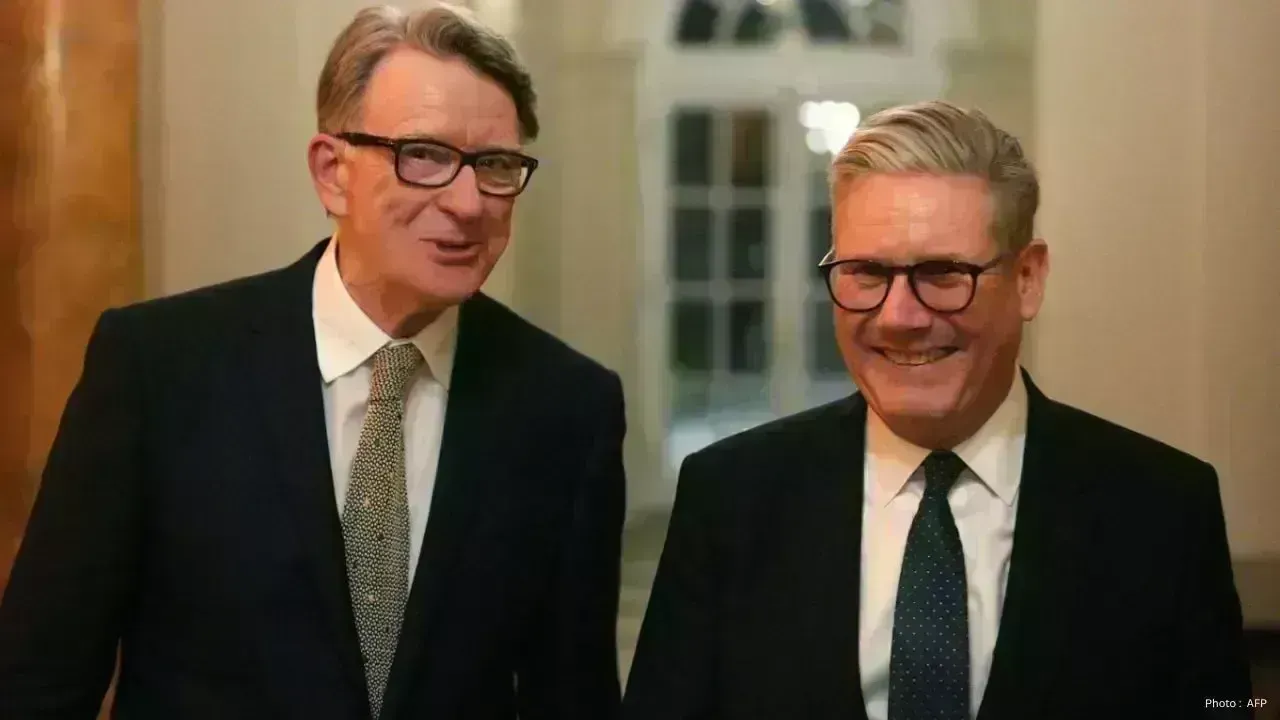
British politics has once again come under public scrutiny after renewed attention on the political journey of Peter Mandelson and the way he secured one of the most powerful diplomatic jobs in the world.
The story is not only about one politician. It is also about how power, influence, and elite connections continue to shape politics in the United Kingdom. For many people, the issue raises serious questions about transparency, accountability, and whether political systems truly work for ordinary citizens.
Peter Mandelson has been a major figure in British politics for more than four decades. He became widely known during the rise of New Labour under former Prime Minister Tony Blair. Many people saw him as a brilliant political strategist who understood media, communication, and political management better than most of his rivals.
Over the years, Mandelson held several important positions inside government. He served in cabinet roles, worked closely with Labour leadership, and later became deeply involved in international business and diplomacy. Even after leaving frontline politics, he remained highly connected among powerful political and business circles in Britain, Europe, and the United States.
His appointment as ambassador to Washington in late 2024 surprised some observers but did not shock those who understood the inner workings of British politics. Mandelson had spent years building strong relationships with influential people across governments, media organizations, financial institutions, and global business networks.
For supporters, his experience made him the perfect choice for a sensitive diplomatic role. They argued that Britain needed someone who understood international politics and could deal directly with powerful American leaders. They believed his political skills and global contacts could help improve relations between London and Washington.
However, critics viewed the appointment very differently.
Many argued that Mandelson represented the old political establishment — a small group of powerful insiders who continue to hold influence regardless of past controversies. His critics pointed out that Mandelson had already faced multiple political scandals during his career and had resigned from cabinet positions more than once in earlier decades.
The controversy became even larger after reports connected him to the wider scandal involving convicted sex offender Jeffrey Epstein. Investigations and leaked documents created serious political pressure on the British government and raised concerns about the judgment behind Mandelson’s appointment.
Several reports claimed Mandelson’s security vetting process had raised concerns before he officially took the Washington role. Later investigations suggested senior officials pushed forward with the appointment despite warnings from security experts.
This issue damaged public trust because diplomatic positions are expected to meet the highest security and ethical standards. Critics argued that ordinary people would never receive such flexibility if concerns had been raised about their backgrounds. Many believed political influence helped Mandelson receive special treatment.
The debate also created problems for British Prime Minister Keir Starmer. Opposition parties and some members within Labour questioned why the government continued supporting Mandelson despite repeated warnings and controversies.
For Starmer, the scandal became more than a political embarrassment. It turned into a test of leadership and public trust. Critics accused the government of protecting powerful insiders instead of maintaining transparency and accountability.
The Mandelson story also reflects a larger issue in modern politics. Around the world, many citizens believe political systems often favor well-connected elites. People with strong networks, financial backing, and personal relationships frequently continue rising even after facing criticism or scandal.
This belief has weakened trust in democratic institutions in many countries. Ordinary voters often feel disconnected from leaders who appear to operate within exclusive circles of influence. Cases like Mandelson’s reinforce public concerns that power can sometimes matter more than public accountability.
At the same time, supporters of experienced political figures argue that diplomacy and international politics require people with deep knowledge and strong relationships. They say global politics is complicated and cannot always be managed by newcomers without international experience.
There is some truth to that argument. Diplomacy often depends on trust, communication, and years of relationship-building. A person like Mandelson, with decades of experience dealing with governments and business leaders, naturally carries influence.
Still, experience alone cannot replace ethical responsibility. Public officials are expected to maintain high standards because they represent their country on the world stage. When controversies follow political leaders for years, governments must carefully consider whether appointments damage public confidence.
The controversy surrounding Mandelson has already left a deep mark on British politics. Investigations, public criticism, and media coverage continue to raise uncomfortable questions about political culture in Britain.
For many observers, the situation is not simply about one individual. It is about whether democratic systems can remain fair and transparent when powerful networks continue influencing major decisions behind closed doors.
In the coming years, the British government may face growing pressure to reform how senior diplomatic and political appointments are made. Calls for stronger vetting systems, better transparency, and stricter accountability rules are already becoming louder.








Anticipated Dates for UAE Eid Al Adha 2026 Unveiled by Astronomical Experts
Experts predict Eid Al Adha 2026 in the UAE to start on May 27, prompting early holiday planning amo

DAE Achieves Remarkable Growth in Q1 2026 With Record Revenue
Dubai Aerospace Enterprise announces impressive financial results for Q1 2026, reflecting a surge in

Price Increase for Sony PS5 in Southeast Asia Effective May 1
Sony announces a price increase for the PS5 across Southeast Asia starting May 1, 2026, impacting ga

Potential ‘Super El Niño’ in 2026: Understanding the Climate Risks
Could a Super El Niño emerge in 2026? Discover its implications and potential global climate impacts

Global Energy Crisis Intensifies: Markets React to Oil Supply Challenges
Markets are on edge as oil disruptions escalate, influencing prices and economic stability. Explore

Must-See Tourist Spots in London You Can't Overlook
Explore London's essential attractions, from royal landmarks to vibrant markets, ensuring an unforge




