Post by : Saif Nasser
Global oil prices have surged above $100 per barrel as the ongoing war involving Iran, the United States, and Israel continues to disrupt energy supplies across the Middle East. The sudden rise in prices has created serious concerns about the global economy, as higher oil costs can quickly affect transportation, electricity, food prices, and overall inflation around the world.
According to market data, Brent crude, the international benchmark for oil prices, jumped more than 20 percent and briefly crossed $114 per barrel as fears grew that the conflict could disrupt major energy supplies. The sharp rise marks the first time oil prices have crossed the $100 mark in several years.
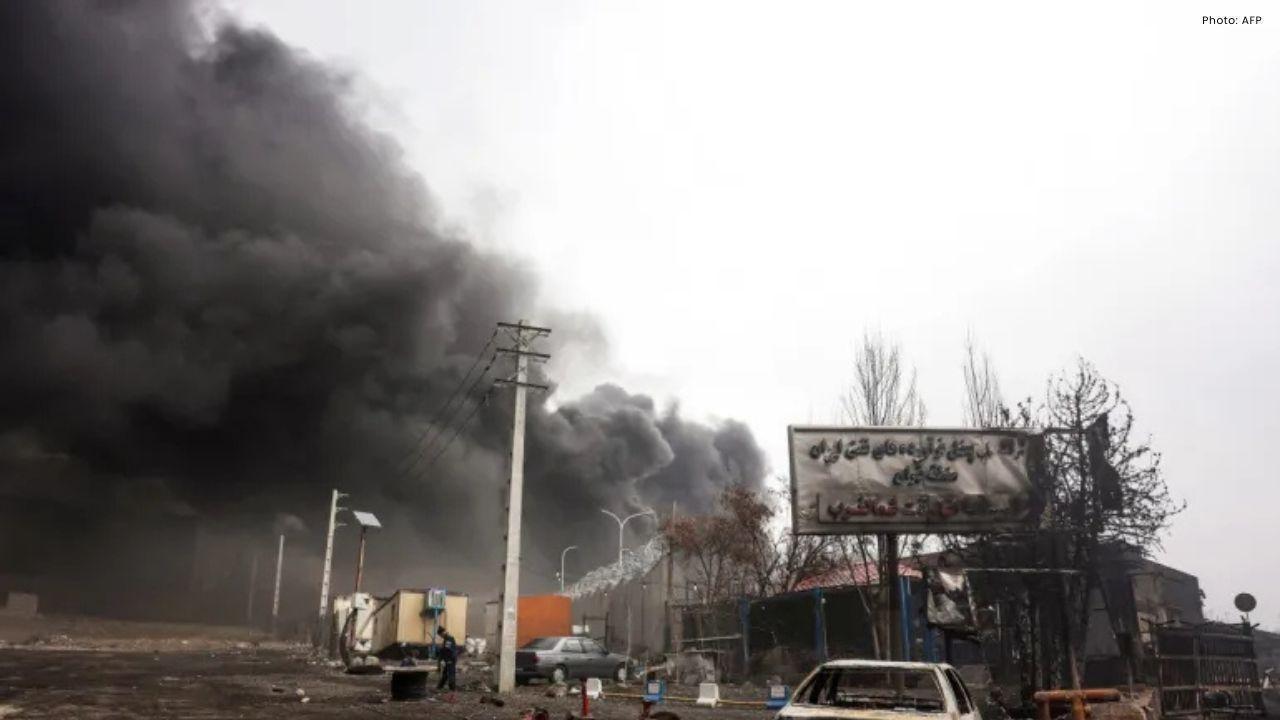
The main reason for the sudden increase in oil prices is the growing instability in the Middle East, one of the world’s most important energy-producing regions. Several oil facilities and refineries have been damaged during military strikes, and shipping routes that carry crude oil to global markets have also been affected.
One of the most important areas under threat is the Strait of Hormuz, a narrow waterway between Iran and Oman through which a large portion of the world’s oil is transported. Experts estimate that nearly one-fifth of global oil supply normally passes through this route. When ships cannot move freely through the strait, the global oil market quickly feels the impact.
Since the conflict intensified, tanker traffic through the Strait of Hormuz has slowed dramatically as shipping companies try to avoid potential attacks. Many ships are waiting outside the strait rather than entering the dangerous zone, while some energy companies have paused shipments completely. This disruption has reduced the amount of oil reaching international markets, pushing prices higher.
The war has also led to direct attacks on energy infrastructure across the region. Oil storage facilities, refineries, and export terminals have been targeted during military operations. When these facilities are damaged or shut down for security reasons, oil production drops and global supply becomes tighter.
Energy analysts say the market is now reacting not only to political tensions but also to real disruptions in production and transportation. Some refineries have temporarily stopped operations, while export routes are being rerouted through longer and more expensive shipping paths. These changes add additional pressure to already strained energy markets.
The surge in oil prices is already affecting financial markets worldwide. Stock markets in several countries have fallen sharply as investors worry about the economic consequences of prolonged conflict in the Middle East. Rising energy costs often slow down economic growth because businesses and consumers must spend more money on fuel and transportation.
Higher oil prices also tend to increase inflation. When fuel becomes more expensive, the cost of producing and transporting goods rises as well. This can lead to higher prices for everyday products such as food, clothing, and household items.
Economists warn that if oil prices remain above $100 for a long time, it could create serious challenges for many countries. Some analysts believe the price surge could reduce global economic growth and increase inflation rates in several major economies.
The impact may be especially strong in countries that rely heavily on imported energy. Nations across Asia, including India, China, Japan, and South Korea, depend on oil shipments that travel through the Persian Gulf. Any disruption in that region can quickly raise fuel costs and put pressure on national economies.
Energy markets have also been affected by attacks on oil facilities in the region. In recent days, strikes on energy infrastructure and military actions near major oil hubs have increased fears that production could fall further if the war continues. Each new attack raises uncertainty in global markets and encourages traders to push prices higher.
Some governments are now considering emergency steps to stabilize energy markets. These measures could include releasing oil from strategic reserves, increasing production from other regions, or working with international partners to secure alternative supply routes. However, such measures may only offer temporary relief if the conflict continues.
Experts say the biggest factor influencing oil prices now is the length and intensity of the war. If fighting continues and more energy infrastructure is damaged, prices could rise even further. Some analysts warn that oil prices could potentially climb far above current levels if major production centers are shut down or if shipping through the Strait of Hormuz stops completely.
The current crisis highlights how closely global energy markets are connected to geopolitical events. Even conflicts that take place thousands of kilometers away can quickly affect fuel prices in countries around the world.
For now, the future of oil prices depends largely on how the situation in the Middle East develops. If tensions ease and shipping routes reopen, prices may stabilize. But if the war expands or continues for a long period, the world could face a new energy shock similar to previous global crises.
The rapid rise in oil prices is a reminder that geopolitical conflicts often carry economic consequences far beyond the battlefield. As governments and markets watch the situation closely, the global economy remains vulnerable to further shocks from the ongoing war.








DAE Achieves Remarkable Growth in Q1 2026 With Record Revenue
Dubai Aerospace Enterprise announces impressive financial results for Q1 2026, reflecting a surge in

Price Increase for Sony PS5 in Southeast Asia Effective May 1
Sony announces a price increase for the PS5 across Southeast Asia starting May 1, 2026, impacting ga

Potential ‘Super El Niño’ in 2026: Understanding the Climate Risks
Could a Super El Niño emerge in 2026? Discover its implications and potential global climate impacts

Global Energy Crisis Intensifies: Markets React to Oil Supply Challenges
Markets are on edge as oil disruptions escalate, influencing prices and economic stability. Explore

Must-See Tourist Spots in London You Can't Overlook
Explore London's essential attractions, from royal landmarks to vibrant markets, ensuring an unforge

Ultimate Guide to Snagging Cheap Flights in 2026
Unlock the secrets to booking affordable flights in 2026 with insightful tips and strategies tailore




