Post by : Saif Nasser
Oil prices have surged sharply as tensions rise in the Strait of Hormuz, one of the most important oil routes in the world. This sudden increase in oil prices has created concern across global markets, as the region plays a key role in the supply of crude oil.
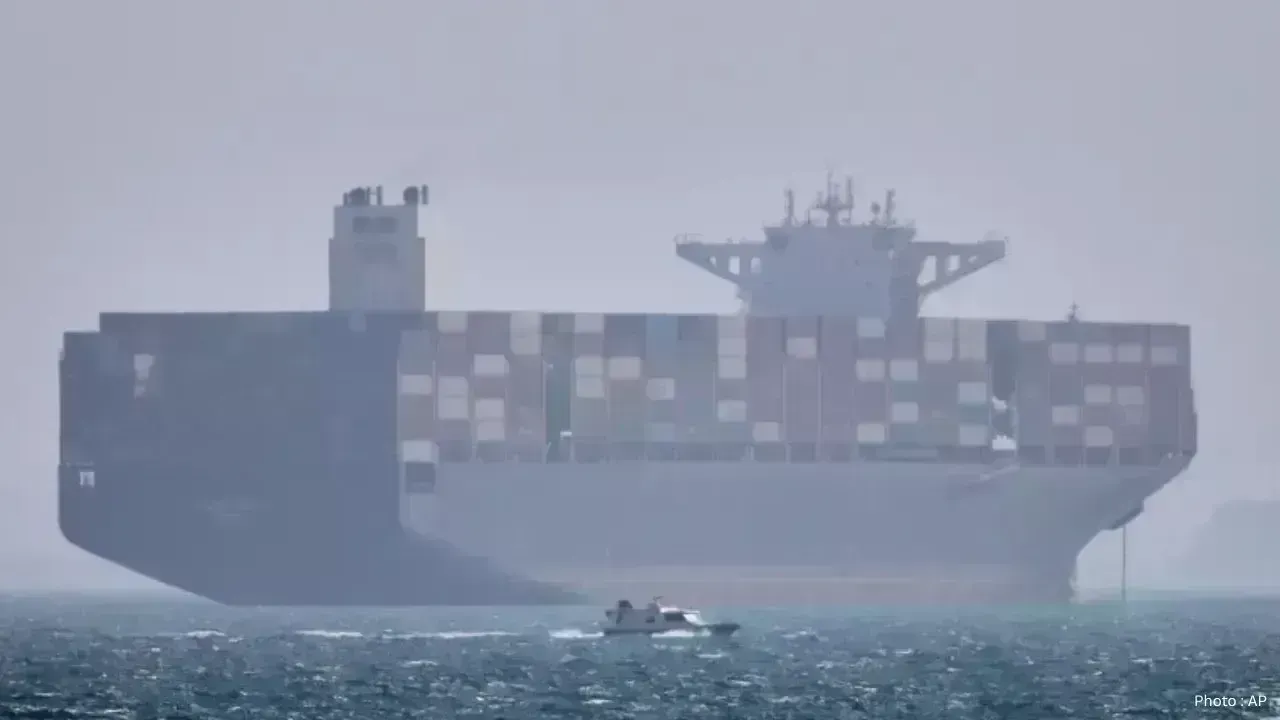
The Strait of Hormuz is a narrow waterway through which a large share of the world’s oil is transported every day. Any disruption in this route can quickly affect global oil supply. Recent violence, including attacks on ships and rising military activity, has made the situation unstable and risky for oil transport.
Due to this tension, global oil prices have jumped significantly. Markets reacted quickly as traders feared possible supply shortages. When supply is at risk, prices usually rise, and this is exactly what is happening now. The situation has made headlines as oil prices surge 2026 and Strait of Hormuz tension become major global topics.
Higher oil prices have a direct impact on daily life. Rising fuel costs lead to higher transportation expenses, which then increase the price of goods and services. This can cause inflation and put pressure on economies, especially in countries that depend heavily on oil imports.
The current crisis also shows how sensitive global markets are to geopolitical events. Even a small conflict in an important region can lead to big changes in prices worldwide. This is why stability in the Middle East is important not only for the region but for the entire world.
Another concern is the long-term effect of this tension. If the situation continues or worsens, it could lead to serious supply disruptions. This would push oil prices even higher and create economic challenges for many countries.
Efforts are being made to protect shipping routes and reduce risk in the region. However, uncertainty remains high, and markets continue to react to every new development. Investors and governments are closely watching the situation to understand how it will affect global energy supply.
The crisis also highlights the need for energy diversification. Many countries are now focusing more on alternative energy sources to reduce their dependence on oil. Renewable energy and local production are becoming more important in ensuring energy security.
At the same time, diplomatic efforts are needed to reduce tension and ensure safe passage through the Strait of Hormuz. Peace and cooperation in the region will play a key role in stabilizing oil prices and global markets.
Rising oil prices due to Strait of Hormuz tension is a strong reminder of how connected the world economy is. Events in one region can quickly impact countries across the globe, making it important to manage conflicts carefully and maintain stable energy supply systems.









DAE Achieves Remarkable Growth in Q1 2026 With Record Revenue
Dubai Aerospace Enterprise announces impressive financial results for Q1 2026, reflecting a surge in

Price Increase for Sony PS5 in Southeast Asia Effective May 1
Sony announces a price increase for the PS5 across Southeast Asia starting May 1, 2026, impacting ga

Potential ‘Super El Niño’ in 2026: Understanding the Climate Risks
Could a Super El Niño emerge in 2026? Discover its implications and potential global climate impacts

Global Energy Crisis Intensifies: Markets React to Oil Supply Challenges
Markets are on edge as oil disruptions escalate, influencing prices and economic stability. Explore

Must-See Tourist Spots in London You Can't Overlook
Explore London's essential attractions, from royal landmarks to vibrant markets, ensuring an unforge

Ultimate Guide to Snagging Cheap Flights in 2026
Unlock the secrets to booking affordable flights in 2026 with insightful tips and strategies tailore




