Post by : Saif Nasser
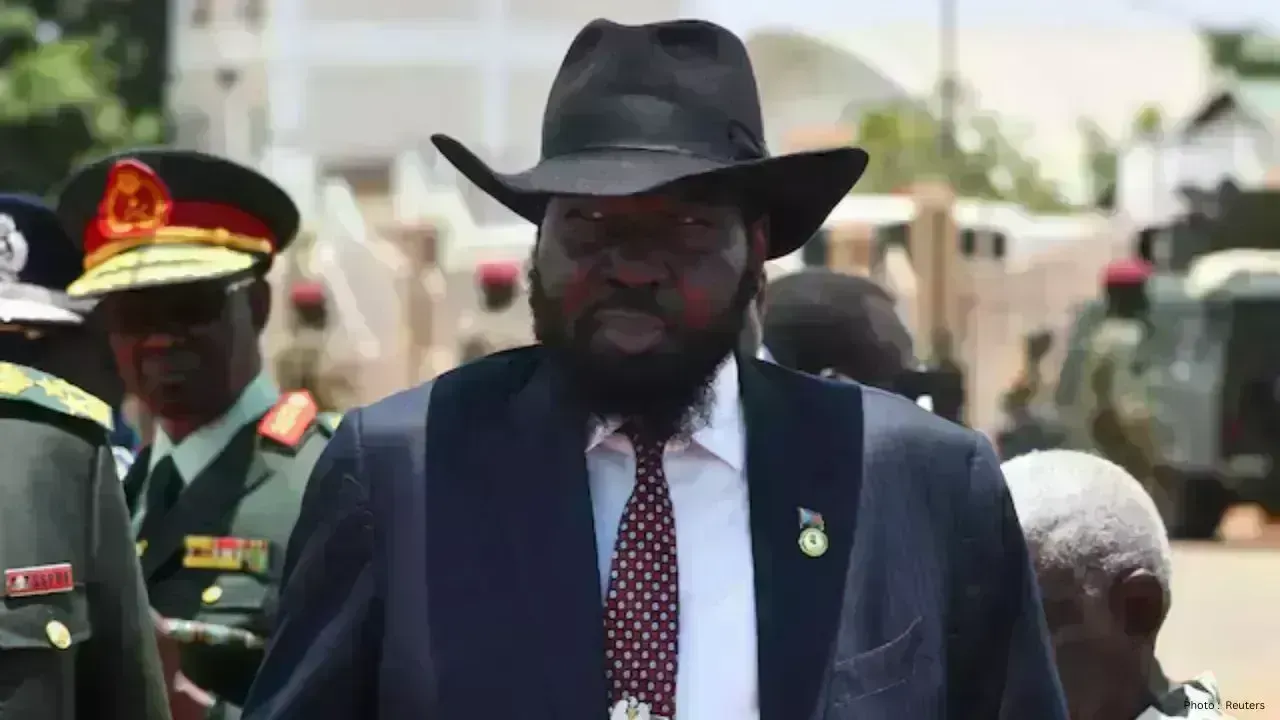
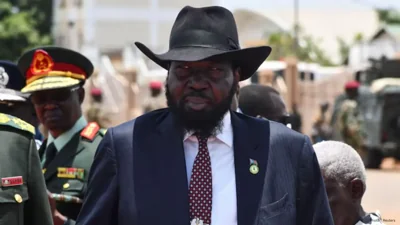
Salva Kiir has removed the country’s foreign and trade ministers in a new round of cabinet changes. This decision has once again brought attention to political stability and governance in South Sudan.
Cabinet reshuffles are not new in South Sudan, but frequent changes in leadership often raise questions. These changes can affect how the government works and how policies are carried forward. Removing ministers from important roles like foreign affairs and trade is a major step that can have wide effects.
The foreign ministry is responsible for managing relations with other countries. It plays a key role in building partnerships, handling agreements, and representing the nation on the global stage. A sudden change in this position can slow down ongoing diplomatic efforts.
The trade ministry is equally important, as it deals with economic growth, business policies, and international trade. In a country that is still developing its economy, stable leadership in this area is necessary for progress.
South Sudan has faced many challenges since becoming independent. Political tensions, internal conflicts, and economic problems have made governance difficult. In such a situation, frequent leadership changes can create uncertainty.
Supporters of the reshuffle may see it as a step toward improving performance. Changing ministers can bring new ideas and energy into the system. It can also help the leadership take stronger control of important areas.
However, critics often argue that repeated changes can harm stability. When leadership changes too often, it becomes difficult to continue long-term plans. This can affect development projects and reduce confidence among international partners.
The decision also has an impact on how other countries view South Sudan. Stability in government is important for building trust and attracting investment. Frequent reshuffles may create doubts about long-term planning.
For the people of South Sudan, the main concern is improvement in daily life. Issues like jobs, economic growth, and peace are more important than political changes. Citizens expect the government to focus on solving these problems.
The reshuffle shows that the leadership is trying to manage challenges, but its success will depend on results. New leaders will need to work effectively and bring stability to their departments.
This development highlights the need for strong institutions and consistent policies. Stability in leadership can help build trust and support long-term growth.
As the situation moves forward, attention will remain on how these changes affect governance and whether they lead to real improvements for the country.



DAE Achieves Remarkable Growth in Q1 2026 With Record Revenue
Dubai Aerospace Enterprise announces impressive financial results for Q1 2026, reflecting a surge in

Price Increase for Sony PS5 in Southeast Asia Effective May 1
Sony announces a price increase for the PS5 across Southeast Asia starting May 1, 2026, impacting ga

Potential ‘Super El Niño’ in 2026: Understanding the Climate Risks
Could a Super El Niño emerge in 2026? Discover its implications and potential global climate impacts

Global Energy Crisis Intensifies: Markets React to Oil Supply Challenges
Markets are on edge as oil disruptions escalate, influencing prices and economic stability. Explore

Must-See Tourist Spots in London You Can't Overlook
Explore London's essential attractions, from royal landmarks to vibrant markets, ensuring an unforge

Ultimate Guide to Snagging Cheap Flights in 2026
Unlock the secrets to booking affordable flights in 2026 with insightful tips and strategies tailore




